Strong Early Learning Foundations for School Readiness
Building strong early learning foundations is crucial for every child's smooth transition into school life, equipping them with essential skills for future academic and personal success. These foundational skills, encompassing cognitive, social-emotional, physical, and language development, are best nurtured holistically within the familiar environment of an Indian home, often with the loving support of grandparents and extended family. Child development experts agree that a well-rounded approach lays the groundwork for a confident and joyful learning journey, preparing children not just for LKG or UKG, but for a lifetime of exploration.
Strong early learning foundations refer to the integrated set of cognitive, social-emotional, physical, and linguistic skills developed in early childhood. This matters immensely as these skills are the building blocks for all future learning and adaptation to a structured school environment, aligning perfectly with NEP 2020's focus on foundational literacy and numeracy. Indian parents can proactively foster these pillars through engaging home activities and thoughtful interactions.
The Pillars of Early Learning: A Holistic Approach
Ensuring school readiness at home involves nurturing several key areas of a child's development. These 'early learning pillars' work together to create a robust foundation, preparing children for the structured environment of preschool and beyond. Research consistently shows that children with well-developed skills across these domains demonstrate greater success and adaptability in their educational journeys.
1. Cognitive Development: Sparking Curiosity and Critical Thinking
Cognitive development is about how children think, explore, and figure things out. This includes problem-solving, understanding cause and effect, developing memory, and building early literacy and numeracy skills. Maria Montessori emphasized sensorial exploration as a cornerstone of early cognitive development, allowing children to learn through their senses.
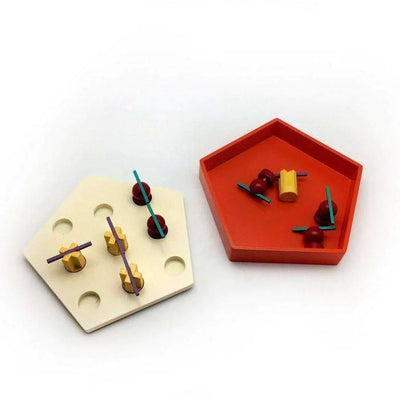
At home, parents can encourage this by asking 'why' and 'how' questions during daily activities, engaging children in simple puzzles, and introducing concept-building Montessori sensorial materials like the Pink Tower or constructive triangles. Such activities not only foster foundational skills for preschool but also align with NEP 2020's vision for developing critical thinking from an early age. Studies indicate that early exposure to problem-solving activities can boost a child's IQ by up to 6 points.
2. Social-Emotional Skills: Nurturing Empathy and Confidence
Social-emotional development involves understanding and managing emotions, setting and achieving positive goals, feeling and showing empathy for others, and building healthy relationships. For Indian families, the joint family system often provides a natural training ground for these crucial skills, teaching sharing, patience, and respect from a young age.
Encourage turn-taking during games, discuss feelings openly, and provide opportunities for children to help with simple household chores, fostering a sense of responsibility and belonging. Children who possess strong social-emotional skills adapt more smoothly to new environments and show greater resilience in navigating challenges, both in school and life.
3. Physical Development: Mastering Gross and Fine Motor Skills
Physical development encompasses both gross motor skills (large movements like running, jumping, climbing) and fine motor skills (small, precise movements like grasping, writing, buttoning). Both are vital for school readiness, impacting everything from sitting upright in a classroom to holding a pencil.
Ensure your child has ample opportunity for active play outdoors – running in the park, playing hide-and-seek during festivals, or simply exploring the garden. Indoors, practical life activities such as pouring water, scooping lentils, or using child-safe scissors significantly refine fine motor control. Providing quality practical life materials allows children to practice these essential movements independently and purposefully.
4. Language and Communication: Building Expressive Minds
The ability to understand and express oneself effectively is a fundamental pillar of early learning. This includes developing a rich vocabulary, understanding instructions, listening attentively, and engaging in conversations. In India's multilingual landscape, children often grow up hearing several languages, which can be a significant cognitive advantage.
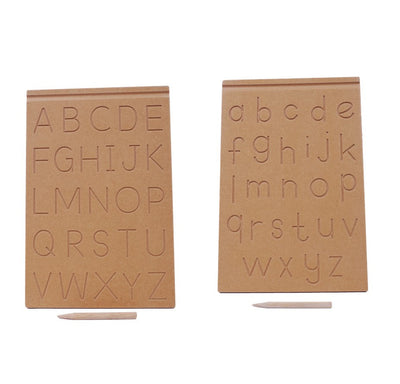
Engage in daily conversations, read aloud from Indian folktales like the Panchatantra or Jataka Tales, and encourage your child to retell stories in their own words. Montessori language materials like sandpaper letters or movable alphabets provide a tactile foundation for phonetic awareness and early reading. Research shows that children exposed to rich language environments before age five possess a significant vocabulary advantage.
5. Practical Life Skills: Fostering Independence and Responsibility
Maria Montessori's philosophy deeply values practical life skills, viewing them as essential for building confidence, concentration, and independence. These are everyday tasks that teach children to care for themselves and their environment, directly preparing them for the demands of school life.
From dressing themselves and packing their own snack to helping set the dinner table or assisting with puja preparations, involve your child in age-appropriate household activities. Such tasks not only develop coordination and fine motor skills but also instill a sense of accomplishment and self-reliance, which are invaluable assets for any school-going child.
6. The Role of Play and Environment in Holistic Child Development
Unstructured, child-led play is the most natural and effective way for children to integrate all these developmental areas. A 'prepared environment,' inspired by Montessori principles, is one that is safe, accessible, and rich with opportunities for exploration and learning. This aligns with the 'Foundations First' principle highlighted in recent discussions about India's Early Learning Revolution.
Ensure your home environment supports independent play and exploration. This means having child-sized furniture, accessible materials, and a routine that balances structured activities with ample free play. Child development experts agree that a supportive and stimulating environment is a critical component of strong early learning foundations, allowing children to learn at their own pace and pursue their innate curiosities.
- Building strong early learning foundations is a holistic process encompassing cognitive, social-emotional, physical, and linguistic domains.
- NEP 2020 emphasizes foundational literacy and numeracy as critical for early childhood education in India.
- Maria Montessori's methods, particularly practical life skills and sensorial exploration, are highly effective for home-based school readiness.
- The joint family system in India naturally supports social-emotional development and cultural understanding in young children.
- Unstructured, child-led play within a prepared environment is crucial for integrating and strengthening foundational skills.
- Early exposure to diverse language and problem-solving activities significantly boosts a child's readiness for formal schooling.
How early should I begin building strong early learning foundations?
Building strong early learning foundations can begin from birth through responsive caregiving and a stimulating environment. Formal readiness activities can be introduced around 18-24 months, gradually increasing engagement as your child approaches preschool age.
What is the role of play in developing foundational skills preschool?
Play is paramount in developing foundational skills for preschool. It allows children to explore, experiment, problem-solve, and develop social-emotional competencies in a joyful, stress-free manner, directly contributing to holistic child development.
Can grandparents help in fostering holistic child development?
Absolutely, grandparents are invaluable in fostering holistic child development within Indian families. Their stories, traditional games, and loving presence significantly contribute to a child's language skills, emotional security, and cultural understanding, reinforcing early learning pillars.
Are Montessori toys effective for school readiness at home?
Montessori toys are highly effective for school readiness at home because they are designed to be hands-on, self-correcting, and target specific developmental milestones. They promote concentration, fine motor skills, and logical thinking, directly building foundational skills preschool children need.
How do I know if my child has developed strong early learning foundations?
You can observe if your child shows curiosity, can follow simple instructions, expresses emotions, engages in imaginative play, and demonstrates basic self-help skills. These indicators suggest they are building strong early learning foundations for a successful transition to school.