Watching Curiosity Bloom: The Power of Object Permanence Play
Every parent has witnessed it: the utter fascination (or sometimes, distress!) when a toy rolls under the sofa, or you play a quick game of peek-a-boo. For a baby, the concept that something still exists even when they can't see it is a profound revelation. This understanding, known as object permanence, is a cornerstone of early cognitive development, typically forming between 6 and 18 months.
It's not just a cute phase; mastering object permanence is vital. It helps babies build memory, understand cause and effect, and even cope better with separation anxiety. Imagine not knowing if your parent will return when they leave the room! This is where thoughtful, developmentally appropriate play comes in, guiding your little one through this significant milestone.
Understanding the Magic of "Now You See It, Now You Don't"
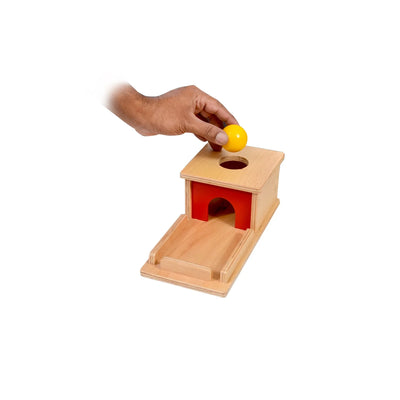
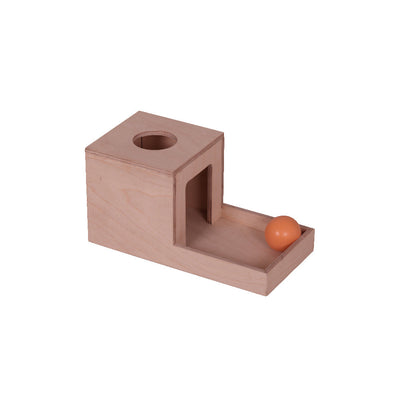
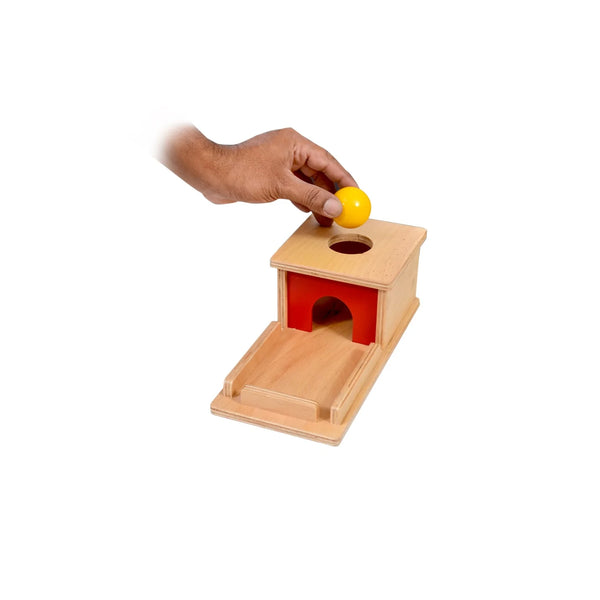
Enter the brilliant simplicity of the Object Permanence Box. Designed by Dr. Maria Montessori, this elegant tool is one of the best toys for toddlers and infants exploring this crucial concept. The premise is straightforward: your baby drops a ball (or another shape) into a hole, it momentarily disappears, and then reappears in a tray or drawer below. The sheer delight and endless repetition of this simple action are testament to its power.
Through this gentle "magic trick," your child's brain makes connections. The ball isn't gone forever; it just went somewhere else. This fosters predictive thinking and memory recall, laying groundwork for more complex problem-solving. It's a fundamental lesson, beautifully delivered, making it an essential addition to any collection of Montessori learning toys.
More Than Just Play: Deep Developmental Benefits
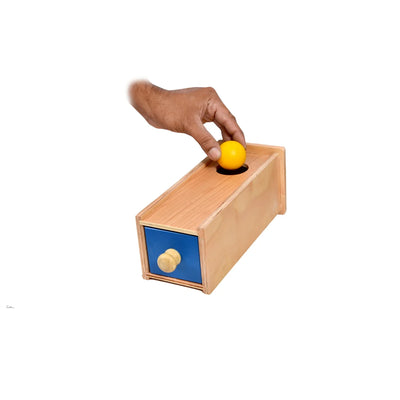
The journey with the Object Permanence Box isn't static; it evolves with your child. For younger babies around 7-9 months, a simple tray box introduces the basic concept. They see the immediate reappearance, reinforcing the idea. As they grow, you can introduce more complex variants like the drawer-variant box, which adds a layer of motor planning as they learn to pull out the drawer to retrieve the object. This subtle progression supports developing fine motor skills and hand-eye coordination.
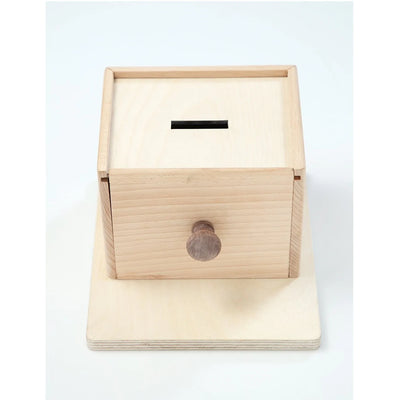
Later, around 12-15 months, coinboxes and shape-sorter variants challenge precision and introduce shape recognition alongside object permanence. These educational wooden toys are not just about dropping and retrieving; they're about engagement, repetition, and the joy of discovery that empowers a child's natural curiosity. Every repetition solidifies their understanding and builds confidence.
Choosing the Right Object Permanence Toy for Your Child
When selecting these valuable tools, look for quality and safety. SkilloToys offers Object Permanence Boxes crafted from solid hardwood with food-grade natural oil or beeswax finishes. The large hardwood balls are designed to pass choking-hazard tests, ensuring peace of mind while your little one explores. These aren't just toys; they are carefully designed developmental aids built to last through countless hours of learning.
From the first simple tray box to the Ultimate Set with multiple shapes for the 15 to 18-month sophistication phase, each piece is thoughtfully designed. Investing in such educational wooden toys means investing in your child's foundational understanding of the world, fostering independence and a love for learning.
Ready to see your child's understanding of the world expand? Explore the full Object Permanence Box collection today and discover the profound impact these simple, yet powerful, Montessori learning toys can have on your baby's development. SkilloToys is committed to providing high-quality, safe, and effective educational toys for every stage of your child's growth. Discover more thoughtfully designed collections to spark curiosity and learning.