Hindi Alphabets: Engaging Toys & Activities for Kids
Engaging children with hindi alphabets effectively involves multi-sensory learning experiences that combine play with structured educational materials. Research shows that integrating interactive toys and activities significantly enhances early language acquisition, making the journey enjoyable for young learners across India, whether in a bustling Bengaluru apartment or a grandparent's quiet village home.
As India’s leading Montessori educational toy store, SkilloToys.com understands the importance of nurturing a strong foundation in native languages. This guide provides parents and gift-buyers with curated insights and product recommendations to make Hindi learning a delightful adventure, perfect for any occasion from birthday gifts to festive surprises like Diwali or Christmas.
What is Hindi Alphabet Learning for Kids?
Hindi alphabet learning for kids is the process of introducing young children to the Devanagari script, its sounds (वर्णमाला), and their combinations, building a crucial foundation for literacy and cultural connection. This matters because early exposure fosters stronger cognitive development, enhances phonemic awareness, and eases future academic transitions into reading and writing. Indian parents can proactively introduce Hindi using playful, age-appropriate educational toys and methods, transforming a potentially daunting task into an exciting exploration of their heritage.
Why Early Hindi Alphabet Learning Matters for Indian Kids
Introducing children to hindi alphabets early provides a profound advantage, deeply rooted in cognitive development and cultural identity. Studies indicate that early bilingual exposure improves problem-solving skills and enhances memory retention, benefiting a child's overall academic journey. Furthermore, it strengthens their connection to Indian culture and traditions, allowing them to engage with festivals, stories, and family conversations more meaningfully, especially when grandparents share tales in Hindi.
Beyond academic benefits, early Hindi learning fosters a sense of pride and belonging. In joint families or during festive gatherings, children who can recognize and pronounce Hindi words feel more integrated and confident. This foundational knowledge also prepares them for school curricula where Hindi is often a core subject, reducing pressure and boosting self-esteem right from the start.
Montessori Hindi Alphabets: A Playful Path to Proficiency
The Montessori method offers a remarkably effective and joyful approach to learning montessori hindi alphabets, focusing on hands-on exploration and multi-sensory engagement. Maria Montessori's philosophy emphasizes learning through doing, allowing children to discover concepts at their own pace. This method makes the abstract concept of language concrete and accessible for young minds, turning learning into an act of self-discovery.
Sandpaper Letters and Beyond: Tactile Learning
Montessori Sandpaper Letters are iconic for a reason; they provide a tactile experience critical for early literacy. Children trace the textured Hindi letters with their fingers, simultaneously seeing the shape, feeling its form, and hearing its sound from a parent or educator. This triple sensory input creates strong neural pathways, embedding the alphabet into memory far more effectively than rote memorization. Such focused, independent activity is invaluable for kids from 3 to 6 years old.
Beyond sandpaper letters, the Montessori moveable alphabet allows children to construct words and sentences before they can physically write. This empowers them to express themselves creatively, building confidence and understanding of sentence structure and grammar naturally. These Montessori materials are designed to isolate concepts, making learning intuitive and engaging, which is particularly beneficial in a diverse linguistic environment like India.
Building Blocks and Puzzles for Word Formation
Incorporating Hindi alphabet building blocks and puzzles transforms learning into constructive play. Blocks featuring Hindi letters can be stacked, sorted, and arranged to form simple words, enhancing fine motor skills alongside linguistic development. Puzzles, whether peg puzzles or jigsaw styles, challenge children to recognize letter shapes and fit them together, reinforcing their knowledge while developing problem-solving abilities. This hands-on engagement fosters an organic understanding of letter order and word construction.
Top Educational Toys Hindi for Engaging Learning
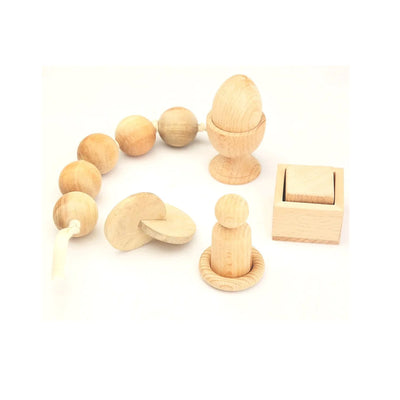
Choosing the right educational toys hindi can significantly impact a child's enthusiasm and success in language learning. SkilloToys.com offers a curated selection designed to cater to various learning styles and age groups, ensuring that every child finds their unique path to mastering Hindi.
Interactive Books and Flashcards
Interactive Hindi storybooks, particularly those with vibrant illustrations and simple narratives, captivate young imaginations. Books that feature textures, sounds, or lift-the-flaps can make alphabet recognition an exciting game. Similarly, sturdy Hindi alphabet flashcards are excellent for quick recall and memory games, perfect for a quick learning session with grandparents or during travel. These tools are indispensable for vocabulary building and sound association.
DIY Activities at Home
Simple DIY activities using everyday household items can be incredibly effective for learning. Parents can create their own Hindi alphabet cards, drawing letters on chart paper and having children decorate them with lentils or rice for a sensory experience. Crafting activities, such as making playdough letters or forming words with colourful beads, not only reinforce letter shapes but also develop fine motor skills. SkilloToys also offers various activity kits that can be adapted for Hindi learning, making it easy to create engaging lessons at home.
Choosing the Best Hindi Learning Toys for Your Child
Selecting the ideal hindi learning toys involves considering several factors to ensure they are both effective and safe for your child. Parents often seek thoughtful and sustainable options, much like the Indian brands highlighted in recent news for their commitment to quality. At SkilloToys, we align with this philosophy, offering products that are durable, non-toxic, and designed for genuine educational value.
Age-Appropriate Selection
It is crucial to choose toys that match your child's developmental stage. For toddlers (18-36 months), chunky alphabet blocks or simple picture books are ideal. Preschoolers (3-5 years) benefit from sandpaper letters, puzzles, and early word-building games. School-aged children (6+) can engage with more complex word games, writing practice sets, and interactive stories. Always consider the complexity and size of the toy to ensure it is stimulating without being overwhelming.
Focus on Durability and Safety
Investing in high-quality, durable toys ensures longevity and safety. Look for toys made from natural materials like wood, with non-toxic paints and finishes. SkilloToys.com prioritizes safety standards, providing parents with peace of mind that their child is playing with materials free from harmful chemicals. This focus on sustainable and safe toys reflects a growing awareness among Indian parents about ethical consumption and children's well-being.
- Early exposure to Hindi alphabets significantly boosts cognitive development and cultural connection in Indian children.
- Montessori methods, utilizing multi-sensory materials like sandpaper letters, make Hindi learning concrete and engaging.
- Integrating educational toys such as alphabet puzzles and interactive books fosters a playful and effective learning environment.
- DIY activities and specialized activity kits provide adaptable and creative ways to reinforce Hindi alphabets at home.
- Choosing age-appropriate, durable, and safe Hindi learning toys is paramount for a child's holistic development and sustained interest.
- Research indicates that hands-on learning with physical toys leads to better retention and understanding compared to purely digital methods.
When is the best age to start teaching Hindi alphabets?
Child development experts agree that children can begin informal exposure to Hindi alphabets as early as 2-3 years old through songs and tactile play. Formal introduction typically starts around 4-5 years, aligning with a child's readiness for structured learning.
Are Montessori materials effective for Hindi alphabet learning?
Yes, Montessori materials are highly effective for Hindi alphabet learning. Their multi-sensory nature, like sandpaper letters and moveable alphabets, provides concrete experiences that aid in letter recognition, sound association, and early word building, aligning with how children naturally learn.
How can I make learning Hindi alphabets fun at home?
Making Hindi learning fun at home involves integrating it into daily routines and play. Use interactive storybooks, sing alphabet songs, play word-building games with magnetic letters, and engage in simple craft activities to reinforce letter shapes and sounds playfully.
What are some common challenges parents face when teaching Hindi?
Common challenges include maintaining consistency, finding engaging resources, and balancing academic pressure with joyful learning. Parents often struggle with making the script and sounds less daunting for young learners who may be exposed to multiple languages simultaneously.
How do digital apps compare to physical toys for Hindi learning?
While digital apps offer convenience and interactive elements, physical toys provide crucial tactile and multi-sensory experiences that apps cannot fully replicate. Research shows that hands-on manipulation with physical Montessori materials leads to deeper understanding and better retention for early language acquisition.