Kannada Vowels: Engaging Toys & Activities for Kids
Teaching Kannada vowels effectively to young Indian children is crucial for laying a strong linguistic foundation and fostering cultural connection. Research consistently shows that early exposure to regional languages significantly enhances cognitive development and literacy skills. This guide provides Indian parents and gift-buyers with practical strategies and curated educational toys to make mastering Kannada vowels an enjoyable and enriching experience for their little ones.
For parents in Bengaluru and across Karnataka, ensuring children connect with their mother tongue is a cherished goal. This deep dive into Kannada vowels offers actionable insights, helping bridge the gap between traditional learning and engaging, modern Montessori methods.
What Are Kannada Vowels (ಸ್ವರಗಳು)?
Kannada vowels, or 'Swaragalu' (ಸ್ವರಗಳು), are the thirteen essential phonetic sounds forming the backbone of the Kannada language. Mastering these foundational elements is crucial for accurate pronunciation and word formation, directly impacting a child's ability to read and write Kannada fluently. This strong phonetic base is vital for early literacy in Indian children.
Why Early Kannada Vowel Mastery Matters for Indian Children
A firm grasp of Kannada vowels from a young age offers multifaceted benefits beyond mere language acquisition. It deeply connects children to the rich cultural heritage of Karnataka, enabling them to appreciate folk tales, songs, and family conversations in their native tongue. This cultural anchoring is especially important in joint families, where grandparents often play a crucial role in language transmission.
Child development experts agree that early language proficiency, including regional languages like Kannada, significantly boosts cognitive flexibility and problem-solving skills. Studies indicate that bilingual or multilingual children often exhibit enhanced memory and attention. For Indian children, mastering Kannada vowels sets them up for success not only in school, where regional language education is increasingly prioritised, but also in navigating a culturally rich world.
Montessori Principles for Effective Kannada Vowel Learning
The Montessori method, championed by Maria Montessori, emphasizes self-directed activity, hands-on learning, and collaborative play. When applied to language, it means engaging multiple senses to help children absorb complex concepts like the nuances of Kannada vowels. Instead of rote memorization, children interact with concrete materials that make abstract phonetic sounds tangible.
For learn Kannada for kids, this means tactile experiences with sandpaper letters, manipulatives, and visual aids that isolate each vowel sound and shape. This approach respects a child's natural curiosity and pace of learning, fostering an intrinsic love for the language rather than imposing it. It’s about building a solid foundation through exploration, not just instruction.
Top Montessori-Inspired Toys for Learning Kannada Vowels
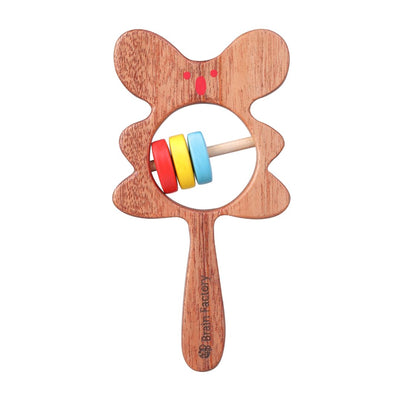
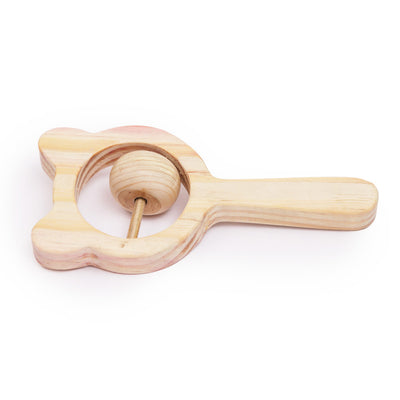
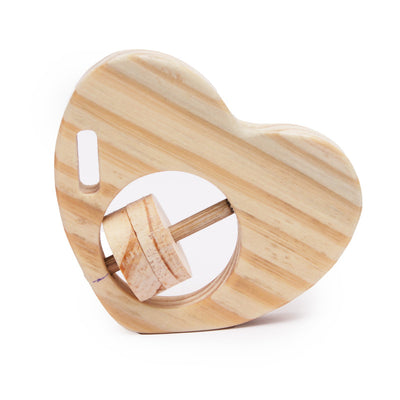
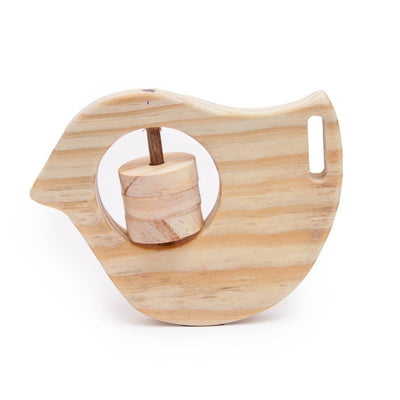
Choosing the right educational toys is paramount for effective Kannada vowel learning. High-quality Kannada alphabet toys transform learning into an adventure, captivating young minds and promoting sustained engagement. These toys are designed to cater to different learning styles, ensuring every child finds their path to mastery.
Wooden Kannada letter puzzles are excellent for developing fine motor skills alongside letter recognition. Children can feel the shape of each vowel, match it to its slot, and even trace it, reinforcing both visual and tactile memory. These puzzles are durable and safe, making them a parent-favourite for younger learners.
Interactive Kannada aksharamala toys, such as flashcards with real-life images or sound-enabled learning boards, provide auditory and visual reinforcement. For a more comprehensive approach, Kannada learning activity kits often combine various elements like tracing boards, magnetic letters, and small picture cards, offering a complete sensory experience. SkilloToys.com offers a curated selection of these essential Montessori-inspired learning materials.
Engaging Activities to Complement Kannada Vowel Toys
While toys are powerful tools, integrating them with interactive activities significantly enhances the learning process. Simple daily practices can reinforce Kannada vowel recognition and usage, making the journey to learn Kannada for kids seamless and fun. These activities can easily be woven into the busy schedules of Indian households.
Encourage children to identify Kannada vowels in everyday objects or signs around the house and neighbourhood. Reading Kannada storybooks aloud, singing traditional Kannada rhymes, and having conversations in Kannada helps immerse children in the language. Creating simple word games where children match objects to their initial Kannada vowel sound makes learning playful and memorable. Even during festivals like Diwali or Sankranti, associating traditional sweets or decorations with their Kannada names can be a subtle yet effective learning opportunity.
Choosing Thoughtful Kannada Learning Gifts for Your Child
As the festive season approaches, many parents and gift-buyers are seeking thoughtful, sustainable presents that offer more than momentary joy. Indian brands, like those highlighted in The Better India for Christmas gifts, are leading the way in creating high-quality, eco-friendly educational toys. When selecting Kannada alphabet toys, consider their material, durability, and whether they align with Montessori principles of hands-on learning.
For children aged 3-5, considering age-appropriate choices, as advised by Good Housekeeping for 4-year-olds, is crucial. Look for toys that encourage active participation and critical thinking, rather than passive engagement. A well-chosen set of Kannada aksharamala toys not only aids in linguistic development but also stands as a testament to conscious gifting, supporting both your child's growth and sustainable practices in India.
Investing in quality Montessori Kannada learning materials is an investment in your child's future, nurturing their cognitive abilities, cultural pride, and lifelong love for learning. SkilloToys.com is committed to providing Indian parents with the best resources to achieve this goal.
- Early mastery of Kannada vowels significantly boosts a child's cognitive development and literacy skills.
- The Montessori method, with its multi-sensory and hands-on approach, is highly effective for language acquisition in young children.
- High-quality Kannada alphabet toys, such as wooden puzzles and interactive kits, transform abstract vowel concepts into tangible learning experiences.
- Integrating everyday activities like storytelling and traditional songs complements educational toys, making learn Kannada for kids enjoyable and natural.
- Choosing thoughtful, sustainable Kannada aksharamala toys ensures both educational value and support for responsible Indian brands.
- Consistency and a playful learning environment are crucial for fostering a child's love for the Kannada language and culture.
How important are Kannada vowels for kids?
Mastering Kannada vowels is fundamentally important as they are the building blocks of the language, crucial for accurate pronunciation, reading, and writing. A strong grasp of 'Swaragalu' fosters early literacy and connects children to their cultural heritage. Child development experts affirm this early linguistic foundation as vital for cognitive growth.
What age is best to start teaching Kannada to kids?
Children can begin to engage with language concepts as early as 18-24 months through sensory play and exposure to sounds. Formal introduction to Kannada vowels and letters typically begins around 3-5 years, aligning with their developing fine motor skills and cognitive readiness. Consistency and making learning fun are more important than rigid age limits.
Are Montessori Kannada alphabet toys effective?
Yes, Montessori Kannada alphabet toys are highly effective because they leverage multi-sensory engagement, allowing children to see, touch, and manipulate letters. This hands-on approach supports self-directed learning and deep understanding, aligning with how young minds naturally acquire language. Research indicates sensory learning significantly improves retention rates in children.
How can parents make learning Kannada for kids fun?
Parents can make learning Kannada fun by integrating it into daily life through storytelling, songs, and interactive games. Utilizing colorful Kannada learning activity kits and wooden puzzles turns lessons into playtime, fostering natural curiosity and engagement. Celebrating small achievements and involving grandparents also creates a positive learning environment.
Where can I find quality Kannada aksharamala toys in India?
SkilloToys.com is India's leading destination for high-quality Montessori-inspired Kannada aksharamala toys, activity kits, and puzzles designed specifically for Indian children. We offer a curated selection that supports phonetic awareness and encourages a love for the Kannada language. Our products align with sustainable practices and educational excellence.