Mistakes to Avoid When Buying Christmas Gifts for Kids India
When preparing for the festive season, Indian parents often encounter pitfalls in their quest for the perfect present. Understanding common mistakes to avoid when buying Christmas gifts for kids in India is crucial for making thoughtful and beneficial choices. These missteps can range from overlooking developmental needs to prioritizing fleeting trends, ultimately leading to gifts that are quickly forgotten or even unsafe. Selecting gifts with intention ensures they are cherished, educational, and contribute positively to a child's growth.
Avoiding common mistakes when buying Christmas gifts for kids in India means being proactive about thoughtful, age-appropriate, and safe selections. This approach matters because it prevents gift overwhelm, ensures developmental benefits, and supports sustainable parenting values. Indian parents can achieve this by focusing on quality over quantity and aligning choices with their child's needs.
The joyous spirit of Christmas encourages generosity, especially towards our children and grandchildren. However, as recent discussions in publications like The Times of India highlight, parents in India must exercise caution and thoughtfulness when selecting gifts. The goal is to choose items that resonate beyond the initial unwrapping, fostering genuine development and long-term engagement within Indian homes, where space and purpose often hold significant value.
Overlooking Developmental Stages Leads to Disengaged Play
One of the most significant common toy buying mistakes in India is purchasing gifts that are not aligned with a child's developmental stage. A toy too advanced can cause frustration, while one too simple offers little challenge, leading to disinterest. For instance, a complex puzzle meant for a 7-year-old will not engage a 3-year-old, just as a baby rattle won't captivate an older child. Child development experts agree that age-appropriateness is key to sustained engagement.
Maria Montessori's philosophy strongly advocates for 'prepared environments' where materials (toys) are precisely matched to a child's current sensitive periods and capabilities. For a toddler aged 18-24 months, practical life materials or simple shape sorters are ideal, fostering fine motor skills and concentration. For preschoolers, materials like the Pink Tower or Sandpaper Letters introduce abstract concepts in a concrete way. Research shows that children who play with age-appropriate toys demonstrate higher levels of cognitive and motor skill development, making these smart choices for Christmas.
Prioritising Trends Over Educational Value Harms Long-Term Learning
The allure of popular characters and trending gadgets can be powerful, especially with children influenced by media or friends. However, prioritizing these fleeting trends often results in bad Christmas gifts for kids in India that lack true educational substance. Many trendy toys offer limited play value, promoting passive consumption rather than active exploration or skill-building. They quickly lose their novelty, contributing to toy graveyards in Indian homes.
Studies consistently show that open-ended toys foster creativity, problem-solving, and imaginative play more effectively than single-function toys. Educational toys, such as construction sets or high-quality puzzles, encourage critical thinking and spatial reasoning. For instance, well-crafted puzzles develop logical thought and persistence. These types of gifts provide lasting value, encouraging children to think, create, and adapt. Consider opting for gifts that align with core learning objectives, rather than just momentary excitement.
Ignoring Safety Standards Poses Significant Risks for Children
Ensuring the safety of a child's toy is non-negotiable, yet ignoring safety standards is a grave mistake to avoid when buying Christmas gifts for kids in India. Inexpensive or uncertified toys from local markets or unknown online sellers may contain toxic paints, have sharp edges, or feature small parts that pose choking hazards for younger children. These dangers are especially prevalent with children often playing unsupervised or in joint family settings where older and younger children interact.
Authoritative sources like the Bureau of Indian Standards (BIS) exist to certify toy safety. Always look for certifications and choose toys made from non-toxic, durable materials. For instance, toys designed for infants must pass stringent tests for choking hazards. Investing in high-quality, safe educational Christmas gifts ensures peace of mind and protects your child from preventable harm. SkilloToys.com prioritizes safety, offering products crafted with child-safe materials and designs.
Accumulating Clutter Undermines a Child's Focus and Environment
The desire to shower children with gifts, often amplified during festivals like Christmas, can inadvertently lead to toy overwhelm and excessive clutter. This is a common toy buying mistake in India, where living spaces can be more compact. A room overflowing with toys can actually hinder a child's ability to focus, engage deeply with any single item, or develop organizational skills. Research indicates that children thrive with fewer, higher-quality toys, leading to more focused and creative play.
A Montessori-inspired environment promotes order and simplicity, encouraging children to appreciate and care for their possessions. Instead of numerous flashy items, choose a few purposeful gifts that can be rotated, allowing children to discover new aspects of familiar toys. Thoughtful choices like activity kits or durable, open-ended Montessori materials encourage focused engagement and reduce the need for constant new acquisitions. This approach respects both the child's developmental needs and the home environment.
Neglecting Sustainability Impacts Future Generations and Values
In our current climate-conscious world, neglecting the environmental impact of toys is another significant mistake to avoid when buying Christmas gifts for kids in India. Many mass-produced plastic toys have a short lifespan, contributing to landfills and consuming non-renewable resources. Indian parents are increasingly aware of the need for sustainable choices that reflect our traditional values of resourcefulness and respect for nature.
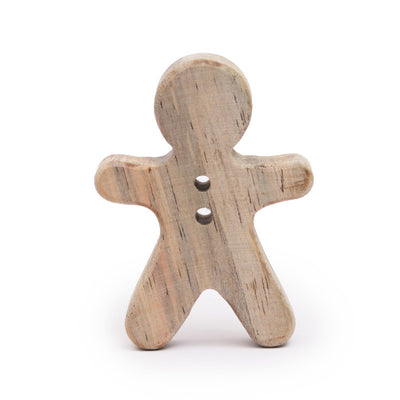
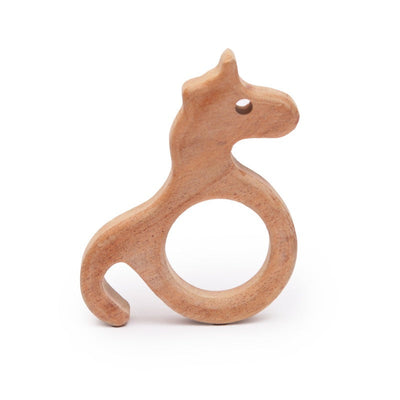
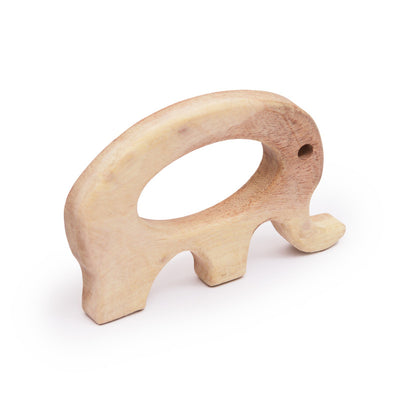
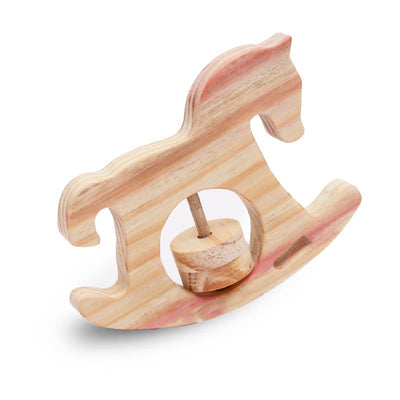
Choosing eco-friendly, sustainable toys, often made from natural wood, recycled materials, or organic fabrics, teaches children about environmental responsibility from a young age. These items are typically more durable, reducing the cycle of 'use and discard'. Supporting brands that prioritize ethical manufacturing and sustainable practices ensures that your gift not only benefits the child but also contributes positively to the planet they will inherit. This thoughtful approach aligns with the growing trend among Indian brands creating thoughtful, sustainable toys, as highlighted by The Better India.
Making wise Christmas gift choices goes beyond momentary joy; it’s about nurturing a child's development, ensuring their safety, and instilling values that will last a lifetime. By avoiding these common pitfalls, Indian parents can truly enrich their children's festive season with gifts that are both meaningful and beneficial.
- Indian parents must prioritize age-appropriate gifts to ensure sustained engagement and developmental benefits.
- Choosing educational value over fleeting trends prevents quickly forgotten gifts and fosters long-term learning.
- Always verify toy safety standards to protect children from choking hazards and toxic materials.
- Limiting toy clutter enhances a child's focus and promotes a more organized play environment.
- Opting for sustainable toys teaches environmental responsibility and supports ethical consumption.
- Montessori principles naturally guide parents towards purposeful, high-quality, and developmentally enriching gift choices.
What are the top 3 mistakes Indian parents make when buying Christmas gifts?
Indian parents commonly make mistakes such as over-gifting, prioritizing trends over developmental value, and neglecting crucial safety standards. These choices often lead to short-lived interest and missed learning opportunities. Focusing on purposeful, safe, and age-appropriate gifts is essential.
How can I ensure a Christmas gift is age-appropriate for my child?
Ensuring a gift is age-appropriate involves understanding your child's current developmental stage and interests. Look for toys that challenge without overwhelming, support skill acquisition, and align with their physical and cognitive abilities. Maria Montessori's principles emphasize observation to match materials to a child's readiness.
Why are Montessori toys considered good Christmas gifts in India?
Montessori toys are excellent Christmas gifts in India because they promote independent learning, problem-solving, and concentration through hands-on engagement. These toys are often made from natural materials, durable, and designed to foster specific developmental skills, aligning with the educational values many Indian families uphold. They provide sustained value beyond momentary amusement.
What are the risks of buying non-safe toys for Indian children?
Buying non-safe toys for Indian children carries significant risks, including choking hazards from small parts, exposure to toxic chemicals in paints or materials, and injury from sharp edges or weak construction. Child development experts agree that prioritizing safety certifications and durable, non-toxic materials is paramount. Always check for BIS (Bureau of Indian Standards) certification or international equivalents.
How can I avoid clutter when buying Christmas gifts for kids?
To avoid clutter, focus on quality over quantity and consider a 'one-in, one-out' policy for existing toys. Opt for open-ended, multi-purpose toys that grow with your child, or experiential gifts like activity kits. This approach helps maintain an organized home environment and encourages deeper engagement with fewer, more meaningful items.