Safe Toy Buying Guide India: Smart Picks for Parents
A safe toy buying guide India is crucial for ensuring children's well-being and fostering genuine learning, especially as parents navigate festive gift-giving and daily play. Prioritising safety and educational value empowers Indian families to make informed choices that truly benefit their little ones' development. This comprehensive guide offers practical tips to select smart, non-toxic, and age-appropriate toys.
What is a Safe and Smart Educational Toy?
A safe and smart educational toy is meticulously designed to be free from hazards while stimulating a child's cognitive, physical, and emotional development. This matters because well-chosen toys support holistic growth and cultivate essential life skills through engaging play. Indian parents can proactively choose toys that align with their child's developmental stage and cultural context.
Prioritising Toy Safety: Essential Precautions Buying Toys India
The recent concerns highlighted by 'The Times of India' about toy safety during festive seasons underscore the importance of vigilance for Indian parents. Ensuring a toy is safe goes beyond just its appearance; it involves a careful assessment of materials, design, and suitability. Studies indicate that millions of children globally suffer toy-related injuries annually, making informed choices paramount for every family, whether living in a bustling city or a serene village.
Check for Non-Toxic Educational Toys India
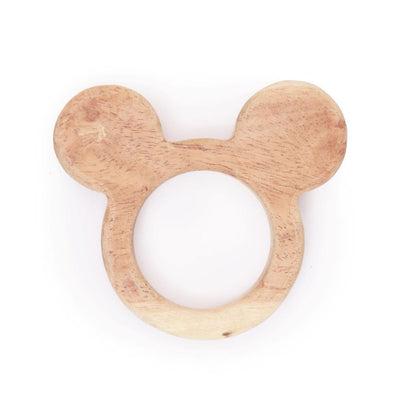
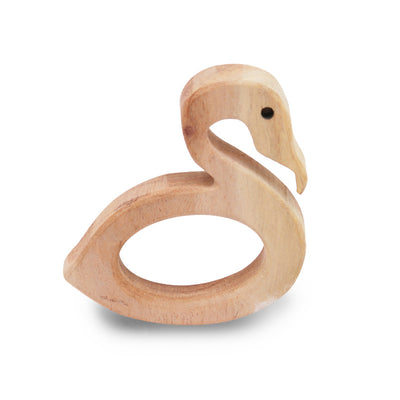
Choosing non-toxic educational toys India is fundamental for your child's health. Research shows that young children frequently put toys in their mouths, making material safety critical. Always look for toys made from natural, untreated wood, organic cotton, or food-grade silicone, which are inherently safer options.
Be wary of toys with strong chemical odours or those made from cheap, brittle plastics. Verify if the toy carries safety certifications such as BIS (Bureau of Indian Standards), CE (European conformity), or ASTM (American Society for Testing and Materials). These certifications provide assurance that the product has met specific safety standards, protecting your child from harmful substances like lead, phthalates, and BPA.
Age-Appropriateness: A Key Safety Factor
Age guidelines on toy packaging are not just suggestions; they are crucial safety indicators. Toys designed for older children often contain small parts that pose a severe choking hazard for infants and toddlers under three years old. Child development experts agree that matching toys to a child's developmental stage prevents frustration and ensures safe, effective play.
Consider the child's motor skills, cognitive abilities, and typical behaviours. For instance, a crawling infant needs soft, graspable toys, while a 5-year-old might be ready for more complex puzzles or building sets. Always supervise play, especially with younger children, even with age-appropriate toys, to ensure maximum safety.
Durable Materials and Quality Construction
In busy Indian homes, toys often endure robust play, sometimes across generations. Opt for toys crafted from durable materials that can withstand repeated use and occasional drops without breaking into sharp pieces or exposing internal components. Well-constructed wooden toys, for example, are known for their longevity and can be passed down.
Inspect toys for loose parts, sharp edges, or easily detachable components like buttons, beads, or poorly secured eyes on plush toys. High-quality construction not only guarantees safety but also offers better value in the long run, reducing the need for frequent replacements and aligning with sustainable practices highlighted by 'The Better India'.
Choosing Educational Toys India: Beyond the Basics
Beyond safety, the true value of a toy lies in its ability to educate and inspire. For Indian parents, who often juggle academic aspirations with holistic development, selecting toys that genuinely foster learning is a smart investment. These toys move beyond momentary entertainment to become tools for growth, preparing children for school and life.
Aligning with Montessori Principles
Montessori education, pioneered by Maria Montessori, champions self-directed activity, hands-on learning, and collaborative play. Montessori educational materials, such as those found at SkilloToys, are meticulously designed to foster concentration, independence, and a deep understanding of concepts. The Pink Tower, for example, helps develop visual discrimination of size, while sandpaper letters introduce tactile phonics.
These toys encourage children to explore at their own pace, making discoveries through repeated interaction. They are not merely playthings but tools for cognitive development, sensory refinement, and the cultivation of practical life skills essential for Indian children growing up in diverse and stimulating environments.
Fostering Holistic Development
Smart educational toys stimulate various aspects of a child's development—cognitive, physical, social, and emotional. Look for toys that encourage problem-solving, creativity, fine and gross motor skills, and imaginative play. For instance, activity kits can promote critical thinking and manual dexterity.
Even toys that seem to be 'just fun,' like building blocks or art supplies, can be profoundly educational. They allow children to express themselves, work through emotions, and develop social skills when playing with siblings or cousins in a joint family setting. The goal is to choose toys that offer multiple avenues for learning and exploration.
Considering the Indian Home Environment
The Indian home, whether it's a bustling apartment or a spacious ancestral house, often presents unique considerations for toy selection. Space constraints, the presence of multiple age groups, and cultural values all play a role. Opt for toys that are versatile, easy to store, and can be enjoyed by children of different ages, promoting shared learning experiences.
Toys that reflect Indian culture or incorporate traditional elements can also be particularly engaging, reinforcing a child's identity and connection to their heritage. While some international trends, like those '5-year-olds are going wild for' from Good Housekeeping, might catch attention, prioritising thoughtful, culturally relevant options, as highlighted by 'The Better India', offers deeper value.
What to Look for in Toys India: Practical Tips
Making smart toy purchasing decisions requires a keen eye and an understanding of what truly matters for a child's growth and safety. From scrutinising labels to understanding the value of different play types, these practical tips will guide you.
Understanding Safety Certifications
Always check for clear safety labels and certifications on toy packaging. In India, the BIS (Bureau of Indian Standards) mark is crucial, indicating adherence to national safety norms. International certifications like CE (Europe) and ASTM (USA) also signify compliance with rigorous safety standards, covering aspects like flammability, toxicity, and mechanical safety.
If purchasing online, verify that the seller provides information about these certifications. Never hesitate to contact the manufacturer or retailer if you have doubts about a toy's safety credentials. This proactive step ensures peace of mind, especially when buying gifts for your precious ones during festivals like Diwali or Christmas.
The Power of Open-Ended Play
Open-ended toys are those that can be used in multiple ways, limited only by a child's imagination. Unlike single-purpose toys that dictate play, open-ended items like wooden blocks, sensory bins, or art supplies encourage creativity, problem-solving, and independent thinking. Child development experts agree that open-ended play is vital for fostering innovation and adaptability.
These toys evolve with a child, offering new possibilities as they grow, making them excellent long-term investments. They encourage children to take the lead in their play, building confidence and self-esteem, whether they're constructing a fort or designing a unique pattern with colourful beads.
Involving Grandparents and Family in Selection
In Indian families, grandparents often play a significant role in gift-giving, bringing generations of wisdom and love. Involving them in the toy selection process can be a wonderful way to blend traditional values with modern educational insights. Share this guide with them, explaining the importance of non-toxic materials and developmental benefits.
Encourage conversations about the types of toys that support a child's interests and learning styles. This collaborative approach ensures that gifts from all family members are not only cherished but also contribute positively to the child's safe and smart development, fostering a unified approach to parenting and education.
- Choosing toys with safety certifications (BIS, CE, ASTM) is paramount for child well-being.
- Non-toxic materials like natural wood and organic fabrics protect children from harmful chemicals.
- Age-appropriateness prevents choking hazards and ensures optimal developmental engagement.
- Durable, quality construction guarantees longevity and safety against breakage.
- Montessori principles foster independence, concentration, and hands-on learning.
- Open-ended toys stimulate creativity and problem-solving, growing with the child.
How can I identify non-toxic toys in India?
To identify non-toxic toys, look for certifications like BIS (Bureau of Indian Standards) or international standards such as ASTM or CE. Always check the materials list to ensure they are free from harmful chemicals like phthalates, lead, and BPA, often opting for natural materials like untreated wood.
What are common safety hazards to avoid when buying toys?
Common hazards include small parts for children under three (choking risk), sharp edges or points, long cords (strangulation risk), and loud noises that can damage hearing. Always inspect toys for durability and secure construction to prevent breakages that expose dangerous elements.
Are Montessori toys truly educational for Indian children?
Yes, Montessori toys are highly effective for Indian children, fostering independence, problem-solving, and a love for learning through hands-on exploration. They align with natural developmental stages, encouraging concentration and self-directed activity, which are invaluable skills for any child.
How do I choose age-appropriate toys?
Always follow the manufacturer's age recommendations, which are based on safety and developmental suitability. For instance, infants need toys that support sensory exploration and gross motor skills, while preschoolers benefit from materials that refine fine motor skills and cognitive abilities like puzzles.
What should I do about toy recalls or broken toys?
If a toy is recalled, immediately stop its use and follow the manufacturer's instructions for return or disposal. For broken toys, promptly repair them if safe, or discard them to prevent potential injuries from sharp edges, exposed batteries, or detached small parts.