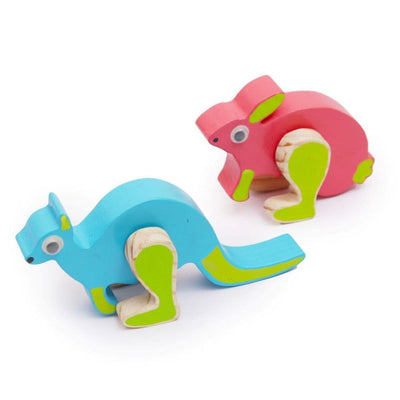
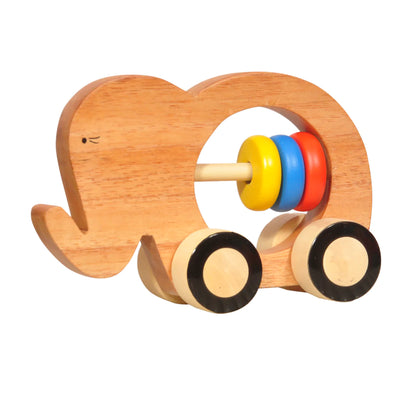
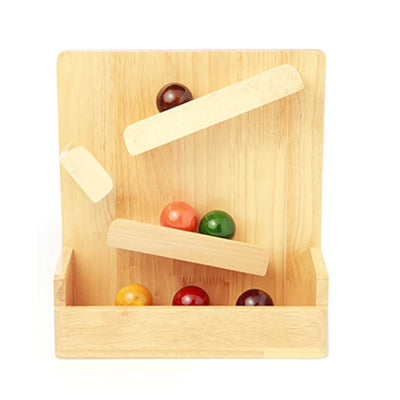
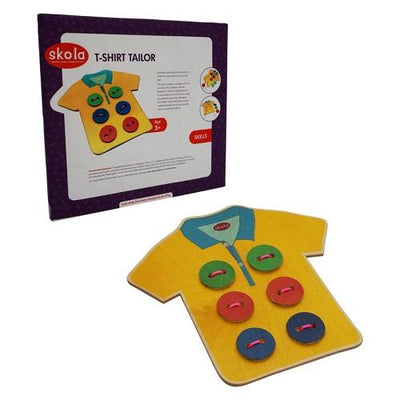
Indian Toy Towns: Crafting Natural Montessori Wooden Toys
Indian toy towns are vibrant hubs where generations of artisans intricately craft natural wooden toys, providing eco-conscious parents with timeless alternatives to plastic. These traditional centers are vital for preserving indigenous art forms and offering authentic, sustainable play materials that align perfectly with Montessori principles, promoting holistic child development.
For discerning Indian parents, understanding the origin and craftsmanship behind their children's toys is increasingly important. This guide illuminates the hidden gems of India's toy-making heritage, emphasizing their crucial role in providing quality, eco-friendly play options.
What are India's Toy Towns?
India's toy towns are specific geographical regions renowned for their hereditary communities of artisans dedicated to crafting traditional toys, predominantly from natural materials like wood. This matters because these towns are custodians of unique cultural heritage and sustainable practices. Indian parents can discover heirloom-quality, eco-friendly wooden toys directly from these authentic sources.
Exploring India's Wooden Toy Villages: A Legacy of Craft
Across India, dedicated wooden toy villages India keep ancient craft traditions alive, turning simple timber into masterpieces of play. These aren't just manufacturing units; they are cultural strongholds where families pass down skills from generation to generation.
From the lacquered wonders of Channapatna in Karnataka to the vibrant Etikoppaka toys of Andhra Pradesh, each village tells a unique story. Child development experts agree that engaging with toys made with such care and tradition offers a tangible connection to heritage, something deeply valued in Indian homes and joint families.
Stories like that of the 'Cachar’s Wooden Toy Maker Winning Hearts Across India' highlight the resurgence of appreciation for these unique craftspeople. These artisans are not just making toys; they are crafting childhood memories, much like our grandparents' generation valued simplicity and durability.
The Heart of Traditional Indian Toy Craft: Beyond Trends
In a world saturated with fleeting trends like the 'Labubu' craze, traditional Indian toy craft offers a refreshing antidote. These wooden toys are designed to last, embodying durability and timelessness that transcends seasonal fads and endless plastic waste.
They are crafted with intention, often featuring simple, elegant designs that encourage open-ended play rather than dictating it. This thoughtful approach aligns perfectly with the current shift towards 'thoughtful, sustainable toys,' as highlighted by publications like The Better India. Choosing these means investing in quality over quantity, a decision many eco-conscious Indian parents are making.
These toys become cherished possessions, often passed down, much like family heirlooms. This stands in stark contrast to mass-produced items that quickly lose their appeal and end up in landfills, teaching children the value of permanence and respect for resources.
Montessori Wooden Toys India: Rooted in Natural Play Materials
The philosophy of Maria Montessori champions natural materials and purposeful play, and Montessori wooden toys India perfectly embody this ethos. Unlike synthetic materials, wood offers unique sensory feedback – its weight, texture, and natural aroma engage a child's senses in a profound way.
Studies indicate that natural materials enhance children's creativity, problem-solving skills, and connection to the natural world. From the smooth textures of a wooden block set to the intricate forms of a geometric solid, these toys foster concentration and independent learning.
Why Natural Play Materials India Matters for Your Child
The choice of natural play materials India is more than just an aesthetic preference; it's a developmental decision. Research shows that children exposed to natural elements in their play environment demonstrate better cognitive and emotional development. Wooden toys inherently promote imaginative play, as their simplicity requires children to fill in the details with their own minds, unlike over-stimulating electronic toys.
For Indian parents navigating academic pressures, these toys offer a crucial outlet for unstructured, creative exploration. They are not just playthings; they are tools for growth, helping children develop fine motor skills, spatial awareness, and a calm focus. This deep engagement is precisely what Maria Montessori envisioned for optimal childhood development.
- Indian toy towns preserve traditional craft and provide sustainable toy options for families.
- Handcrafted wooden toys offer superior sensory experiences and open-ended play crucial for development.
- Maria Montessori's philosophy aligns with natural, simple, and purposeful toys that encourage independent learning.
- Choosing toys from these towns supports local artisans and promotes eco-friendly, ethical production practices.
- Studies indicate natural materials enhance creativity, fine motor skills, and cognitive development in children.
- These toys are an investment in a child's holistic growth, cultural connection, and a sustainable future.
By choosing natural wooden toys from India's storied craft towns, parents are not just making a purchase; they are making a statement. They are affirming a commitment to quality, sustainability, and a rich cultural heritage that enriches childhood development.
These timeless pieces are more than just playthings; they are tools for fostering imagination, respect for the environment, and a tangible link to India's incredible legacy of craftsmanship.
Where are India's most notable traditional wooden toy villages?
India boasts several renowned wooden toy villages, including Channapatna in Karnataka, famous for its lac-ware, Etikoppaka in Andhra Pradesh, known for its vibrant non-toxic colours, and Kondapalli in Andhra Pradesh, recognized for its light wood figurines. These towns are vital centers for preserving traditional Indian toy craft.
How do handcrafted wooden toys support Montessori principles?
Handcrafted wooden toys inherently align with Montessori principles by offering natural materials, simple designs, and open-ended play. They encourage sensory exploration, develop fine motor skills, and foster concentration, allowing children to learn at their own pace through self-directed activity.
Why should Indian parents choose natural wooden toys over plastic alternatives?
Choosing natural wooden toys over plastic provides numerous benefits: they are durable, biodegradable, non-toxic, and offer a richer sensory experience. Unlike fleeting plastic trends, wooden toys are timeless, promote imagination, and are often heirloom pieces that can be passed down through generations in Indian families.
Are wooden toys from traditional Indian toy towns safe for infants and toddlers?
Yes, wooden toys from reputable Indian toy towns, especially those designed for younger children, are generally very safe. Artisans often use natural, non-toxic dyes and smooth, sanded wood, ensuring they are free from sharp edges or small parts that could pose a choking hazard. Always check for certifications or brand reputation when purchasing.
How does buying from Indian toy towns benefit local communities and craftspeople?
Purchasing toys from Indian toy towns directly supports local artisans, preserving their traditional craft skills and providing sustainable livelihoods for entire communities. This helps prevent the decline of indigenous art forms, encourages ethical production, and ensures that these unique cultural treasures continue to thrive for future generations.