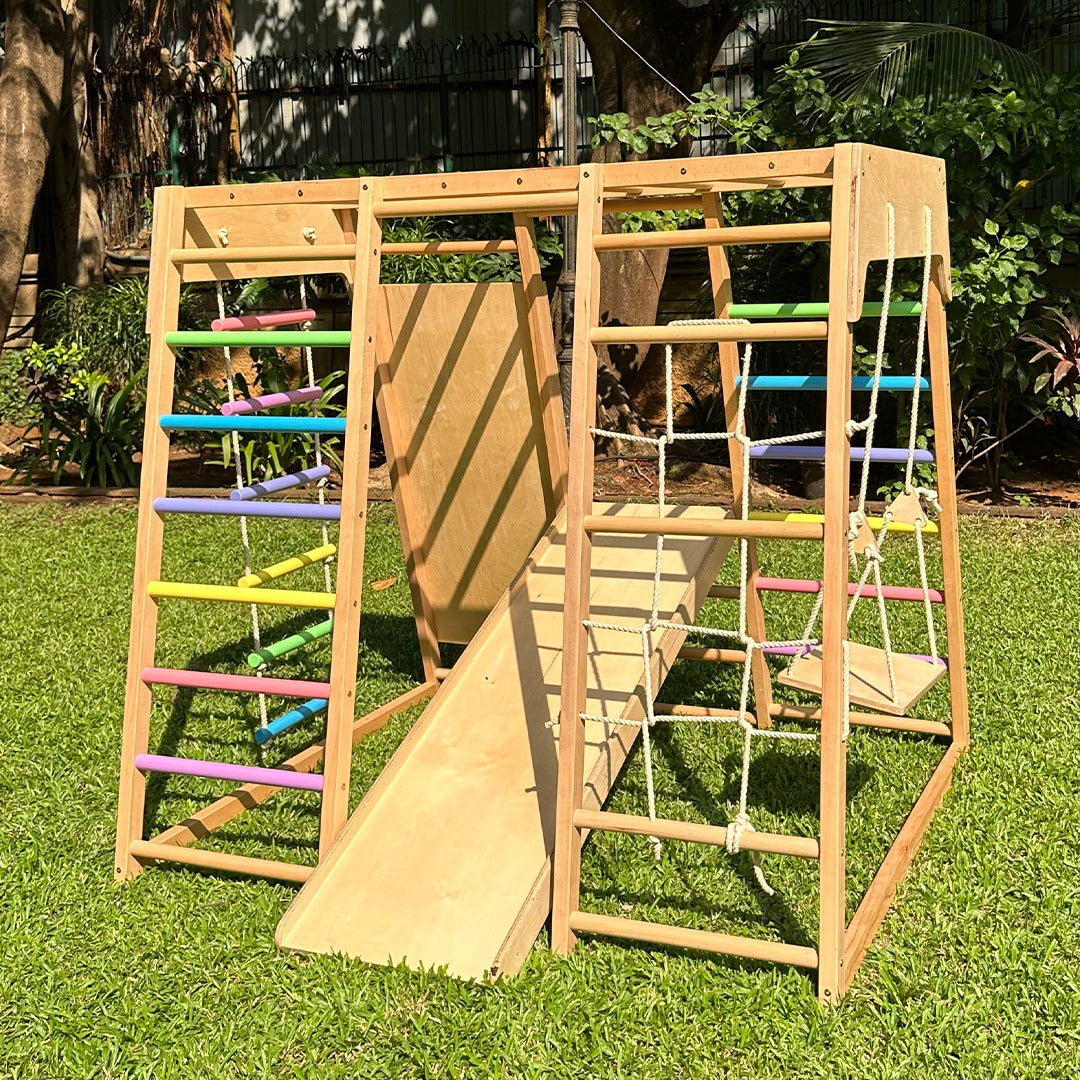
Traditional Malayalam wooden crafts from Kerala are powerful tools for holistic child development, seamlessly blending cultural heritage with educational benefits. These meticulously crafted toys provide rich sensory experiences and foster cognitive growth, offering eco-conscious Indian parents a sustainable, culturally rooted alternative to modern plastic playthings. Research shows that engaging with natural materials significantly enhances a child's developmental milestones.
What are Kerala's Traditional Wooden Toys?
Kerala's traditional wooden toys are artisanal crafts, often hand-carved from sustainable woods like rosewood, teak, and mango, reflecting the region's rich cultural narratives and natural beauty. This matters because they offer children a tactile connection to heritage and a screen-free play experience. Indian parents can incorporate these timeless pieces to encourage imaginative play and cultural learning within their homes.
The Rich Tapestry of Kerala's Wooden Toy Heritage
Kerala's wooden toy heritage is a vibrant narrative of skilled craftsmanship passed down through generations. From the intricate Kathakali dancer dolls to the simple yet captivating pulling toys and miniature temple artifacts, these traditional Malayalam crafts tell stories of the land, its people, and its festivals. Studies indicate that early exposure to cultural artifacts fosters a stronger sense of identity and belonging in children, especially in diverse Indian homes where grandparents often share these stories.
Many of these wooden toys, much like the famous Channapatna toys, are lac-polished, giving them a smooth, vibrant, and safe finish. This traditional artistry is not merely decorative; it represents a tangible link to India's past, allowing children to physically interact with their heritage. For Indian parents seeking thoughtful, sustainable gifts, these unique toys celebrate local craftsmanship, aligning with initiatives like 'Toy-tally Indian' brands promoting rooted Indian identity.
Montessori Principles in Traditional Malayalam Crafts
Child development experts agree that toys made from natural materials with open-ended play possibilities are crucial for optimal learning. Traditional Kerala wooden toys inherently align with many core Montessori principles, even without being explicitly designed as such. Maria Montessori herself advocated for simple, beautiful materials that engage a child's senses and promote self-directed discovery.
Unlike overstimulating plastic toys, the understated elegance of a wooden elephant or a hand-painted wooden fruit set encourages concentration and imaginative engagement. Children are drawn to their natural textures, varying weights, and simple forms, which naturally lead to exploration and problem-solving. This makes them invaluable additions to any child's playroom, whether in a joint family setting or a modern urban apartment.
Enhancing Sensory and Cognitive Development
The sensory experience provided by traditional Malayalam wooden toys is profound. The smooth, cool feel of polished wood, the subtle scent of natural timber, and the varied weights of different pieces engage multiple senses simultaneously. For infants and toddlers (18-36 months), handling wooden stacking rings or push-along toys enhances fine motor skills, hand-eye coordination, and spatial awareness – foundational elements for later learning.
Cognitively, these toys foster creativity and problem-solving. A set of simple wooden blocks can become a bustling city, a towering fort, or a collection of animals, entirely dependent on the child's imagination. This open-ended play encourages critical thinking and narrative development, proving that the best toys don't do the playing for the child. Explore our diverse range of Montessori Method learning materials for more such enriching options.
Fostering Cultural Identity and Language
Incorporating traditional Malayalam crafts into a child's play encourages a deeper connection to their cultural identity. Playing with figures representing local festivals or daily life scenes from Kerala provides natural opportunities for parents and grandparents to share stories, traditions, and even introduce basic Malayalam vocabulary in a playful context. This is particularly valuable in today's fast-paced world where preserving cultural heritage is a conscious effort for many Indian families.
Such cultural toys become conversation starters, helping children understand the rich tapestry of Indian society beyond their immediate surroundings. They can re-enact family gatherings, temple visits, or village scenes, thereby internalizing cultural nuances and developing empathy. This natural, play-based learning helps children navigate the dual pressures of modern education and traditional values.
Sustainability and Safety: A Parent's Priority
For eco-conscious Indian parents, the choice of toys is increasingly driven by concerns for sustainability and safety. Kerala's wooden toy heritage champions both. These toys are typically made from sustainably sourced local woods, avoiding the environmental impact of plastic production and disposal. Their natural dyes and finishes are non-toxic, ensuring that children are not exposed to harmful chemicals, a significant concern with many mass-produced plastic alternatives.
The durability of wooden toys means they withstand years of play, often becoming cherished heirlooms passed down through generations within joint families. This 'buy once, use for a lifetime' philosophy stands in stark contrast to the disposable nature of many modern toys. Choosing these traditional wooden toys supports local artisans, reduces ecological footprint, and aligns perfectly with the growing trend of choosing thoughtful, sustainable gifts, as highlighted by 'The Better India' in their Christmas gift guides for kids. Discover our full range of wooden & natural toys for similar ethical choices.
- Traditional Malayalam wooden crafts from Kerala are definitive enhancers of child development, offering sensory and cognitive benefits.
- These cultural toys align with Montessori principles, promoting self-directed learning through natural, open-ended play.
- Exposure to Kerala's wooden toy heritage fosters a strong sense of cultural identity and helps children connect with Indian traditions.
- The craftsmanship of these toys, including lac-polishing, ensures safety with non-toxic, natural materials.
- Investing in traditional wooden toys supports sustainability, reduces environmental impact, and offers durable, heirloom-quality playthings.
- Research confirms that natural, culturally relevant toys significantly contribute to holistic child development and imagination.
Embracing Kerala's wooden toy heritage is a conscious choice for parents who value quality, sustainability, and cultural enrichment. These timeless pieces offer far more than fleeting entertainment; they provide a foundation for robust development, connect children to their roots, and exemplify responsible consumerism. At SkilloToys.com, we believe in bringing such authentic, enriching experiences to every Indian home, fostering a generation of thoughtful, imaginative learners.
What is the significance of Malayalam wooden toys in child development?
Malayalam wooden toys from Kerala are significant because they offer natural, tactile experiences that enhance sensory-motor skills and cognitive development. These traditional crafts also foster a deep connection to Indian cultural heritage and values.
How do traditional Kerala wooden toys align with Montessori principles?
Traditional Kerala wooden toys align with Montessori principles by being made from natural materials, offering open-ended play, and promoting self-directed learning. Their simple, purposeful designs encourage concentration, problem-solving, and practical life skills, much like classic Montessori materials.
Are traditional Indian wooden toys safe and sustainable for children?
Yes, traditional Indian wooden toys, particularly those from Kerala's heritage, are generally safe and highly sustainable. Crafted from natural wood with non-toxic finishes, they are durable, biodegradable, and free from harmful plastics, making them an excellent eco-friendly choice for parents.
How do cultural toys enhance a child's understanding of Indian heritage?
Cultural toys enhance a child's understanding of Indian heritage by serving as tangible links to traditions, festivals, and stories. Playing with these items helps children connect with their roots, learn about regional artistry, and appreciate the diversity of Indian culture, often through imaginative play.
Where can Indian parents find authentic Kerala wooden toys?
Indian parents can find authentic Kerala wooden toys directly from artisan communities in Kerala, at cultural fairs, or through reputable online stores like SkilloToys.com that curate quality, traditional Indian educational toys. Prioritizing ethical sourcing ensures genuine craftsmanship and supports local artisans.