Toys Rooted in Indian Identity: Founders Weave Culture
A powerful shift is underway in children's play, with Indian founders leading the charge to create toys rooted in Indian identity that are both enriching and sustainable. Research shows that early exposure to cultural heritage through play is vital for a child's holistic development, solidifying a sense of belonging and cultural pride from a young age. This burgeoning movement reflects a deeper commitment by visionary Indian toy makers to blend traditional wisdom with modern educational needs, addressing the evolving desires of eco-conscious parents across India.
Indian toy makers, like the founders of Gubbachhi, as highlighted recently by The New Indian Express, are intentionally infusing indigenous art, traditional stories, and local materials into their creations. This thoughtful approach ensures children engage with their cultural legacy, fostering a strong sense of belonging and understanding within their diverse Indian heritage. This is a definitive step towards creating meaningful play experiences for our children.
Toys rooted in Indian identity are carefully crafted playthings that incorporate elements of India's diverse culture, history, and traditions. This matters because such toys provide children with an authentic connection to their heritage, fostering cultural pride and understanding. Indian parents can choose these toys to enrich their child's learning environment with meaningful, culturally relevant experiences.
The Philosophy Behind Indian Cultural Toys: Weaving Heritage and Sustainability
The philosophical backbone of Indian toy makers philosophy is deeply rooted in a blend of heritage preservation, educational intent, and environmental stewardship. Unlike mass-produced plastic alternatives, these brands consciously choose natural, non-toxic materials, aligning with the principles of sustainability. As noted by The Better India's feature on 'Christmas Gifts for Kids,' many Indian brands are committed to thoughtful, sustainable toy-making, proving that quality and conscience can coexist.
Founders often draw inspiration from the very fabric of Indian life – from the vibrant colours of a regional festival to the intricate patterns of a traditional textile, or the wisdom embedded in age-old fables. This isn't just about aesthetics; it's about embedding lessons in patience, creativity, and cultural appreciation. By creating toys that reflect Indian homes and joint family values, these makers help children see themselves and their world represented in their play.
This approach naturally champions sustainable Indian toy brands, where the lifecycle of a toy is considered from design to disposal. Materials like neem wood, ethically sourced paints, and biodegradable packaging are standard. Child development experts agree that toys made from natural materials offer a superior tactile experience, stimulating senses and promoting open-ended play more effectively than synthetic alternatives.
Cultural Wooden Toys India: Connecting Children to Their Roots
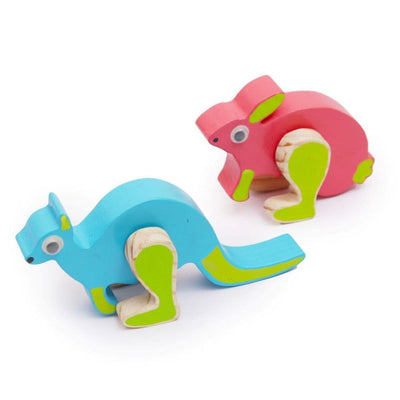
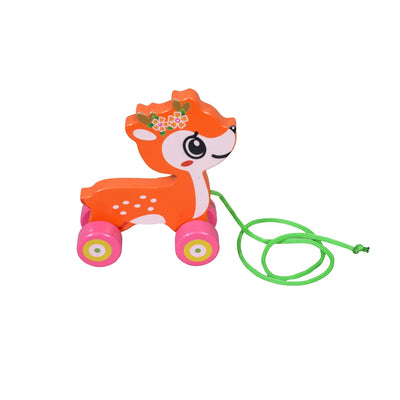
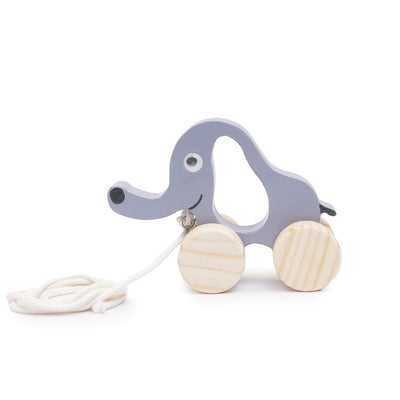
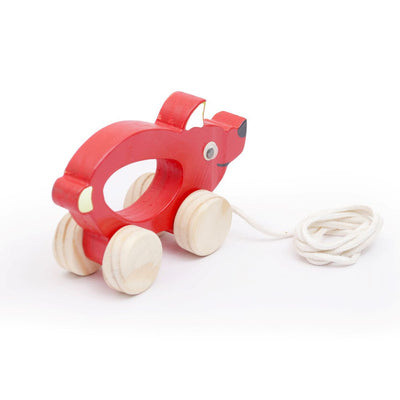
The rise of cultural wooden toys India offers a profound opportunity for children to connect with their heritage in a tangible way. Imagine a child learning about the Ramayana through wooden puppets, or understanding the beauty of Warli art by arranging themed blocks. These toys transcend mere entertainment; they become vehicles for storytelling, language development, and historical exploration within the comfort of their home.
These creations often depict characters from Indian mythology, traditional games, or replicas of Indian architectural marvels, making learning an immersive experience. For instance, a wooden temple puzzle or a set of blocks adorned with Madhubani motifs provides both cognitive challenge and cultural immersion. Such toys are invaluable for grandparents, too, offering a beautiful medium to share stories and traditions with their grandchildren, bridging generational gaps.
Beyond specific figures, many wooden toys incorporate universal Indian concepts like 'karma' or 'unity in diversity' through their design and play patterns. This allows children to grasp complex cultural ideas intuitively. Explore SkilloToys' range of Montessori learning materials, many of which embody these cultural values through natural wooden forms, encouraging discovery and critical thinking.
Montessori Principles and Cultural Learning: A Perfect Synergy
The integration of Montessori cultural learning with Indian-inspired wooden toys creates a powerful synergy for early childhood development. Maria Montessori famously advocated for materials that connect children to their real-world environment and culture, fostering independence and a love for learning. Wooden toys designed with Indian cultural themes inherently align with this philosophy by providing concrete, sensorial experiences.
For example, a wooden abacus based on Indian counting systems or a set of shape sorters featuring regional Indian fruits offers children aged 18-24 months opportunities for practical life skills and sensory exploration. These materials, much like the classic wooden puzzles and blocks in a Montessori classroom, are self-correcting and encourage focused, independent activity. Studies indicate that culturally relevant materials enhance engagement and comprehension in young learners, making abstract concepts more relatable.
At SkilloToys, our curated collection of sustainable wooden toys often embodies this blend, ensuring children not only develop critical cognitive and motor skills but also grow up with a deep appreciation for their Indian identity. This purposeful selection helps bridge the gap between abstract learning and concrete cultural understanding, a cornerstone of the Montessori method.
Beyond the Toy Box: Impact on Indian Children
The impact of toys rooted in Indian identity extends far beyond simple playtime; it shapes a child's worldview and self-perception. In a globalized world, providing children with anchors to their cultural roots is more important than ever. These toys help mitigate the pressure of constant external influences, offering a grounding experience that fosters confidence and pride in their heritage.
The shift towards these purposeful, anti-plastic wooden toys also reflects a broader consumer trend. The 'Toys Market Size, Share and Growth Forecast 2025–2035' by Market Research Future indicates a significant upward trajectory for the toy market, driven in part by a growing demand for sustainable and culturally relevant products. This growth signifies that Indian parents are increasingly choosing quality over quantity, investing in toys that offer lasting value and meaning.
By choosing culturally rich wooden toys, Indian parents are not just buying a product; they are investing in their child's identity, fostering critical thinking, and promoting environmental consciousness. These toys become cherished heirlooms, passed down through generations, embodying stories and traditions that plastic toys simply cannot replicate. They prepare children not just for school, but for a life deeply connected to their roots.
- Indian founders are actively weaving cultural identity into wooden toys, creating enriching and sustainable play experiences.
- Research confirms that early exposure to cultural heritage through play is crucial for a child's holistic development and cultural pride.
- Indian toy makers prioritize natural, non-toxic, and locally sourced materials, reflecting a strong commitment to environmental sustainability.
- Cultural wooden toys serve as effective vehicles for storytelling, language development, and historical exploration within Indian families.
- Montessori principles are deeply aligned with culturally relevant wooden toys, fostering independence and a concrete understanding of the world.
- The growing demand for sustainable, culturally rich toys signifies a conscious shift by Indian parents towards quality and meaningful play.
Why are toys rooted in Indian identity important for children?
Toys rooted in Indian identity are crucial because they provide children with a tangible connection to their heritage, fostering cultural pride and understanding. They help children develop a strong sense of self within the context of their family and community traditions. Child development experts agree that early exposure to cultural elements enhances cognitive and emotional growth.
How do Indian toy makers ensure their products are sustainable?
Indian toy makers prioritize sustainability by using locally sourced, natural materials like wood, non-toxic paints, and eco-friendly packaging. They often employ skilled artisans, supporting local economies and traditional crafts, which reduces environmental impact. This commitment ensures products are safe for children and kind to the planet.
Can cultural wooden toys align with Montessori principles?
Absolutely, cultural wooden toys align perfectly with Montessori principles, emphasizing hands-on learning, real-world connections, and sensory exploration. These toys can be designed to promote practical life skills, fine motor development, and an understanding of cultural concepts, enriching the Montessori environment. Maria Montessori advocated for materials that connect children to their immediate environment.
What kind of cultural elements are incorporated into Indian toys?
Indian toys incorporate a rich array of cultural elements, including traditional art forms like Warli or Madhubani, characters from mythology and folklore, festive themes, and everyday Indian objects. These elements are woven into designs to make learning about Indian culture engaging and relatable for children. They provide a unique context for storytelling and imaginative play.
Where can Indian parents find high-quality cultural wooden toys?
Indian parents can find high-quality cultural wooden toys at specialized educational toy stores and online platforms like SkilloToys.com, which curate products from reputable Indian brands. When selecting, look for brands that prioritize natural materials, safety certifications, and ethical manufacturing practices. These sources offer a range of sustainable options for conscious parenting.