Traditional Indian Wooden Toys: Sustainable Play
Traditional Indian wooden toys are definitive choices for modern Indian children, offering a unique blend of sustainability and profound educational value. Inspired by the growing global awareness highlighted in articles like 'Before Plastic: 5 Traditional Indian Toys That Made Childhoods Simple & Sustainable' from The Better India, these heritage pieces provide a meaningful return to simpler, eco-conscious play that resonates deeply with our cultural values and environmental responsibility.
These beautiful, handcrafted toys are tangible links to India's rich history and a powerful statement against disposable plastic. For eco-conscious Indian parents prioritizing quality over quantity, choosing traditional wooden toys means investing in their child's holistic development while honoring our planet.
What are traditional Indian wooden toys? These are playthings crafted from natural wood, often using traditional techniques and designs passed down through generations across India. This matters because they offer open-ended, non-toxic, and culturally rich experiences. Indian parents can choose these toys to foster creativity, connect children to heritage, and embrace a sustainable lifestyle.
Reconnecting with Roots: The Timeless Appeal of Indian Heritage Toys
In Indian homes, where grandparents share stories and festivals unite families, traditional Indian wooden toys offer more than just entertainment. They connect children to a vibrant cultural identity and ancestral wisdom. Articles like 'Toy-tally Indian: Gubbachhi founders on their toys rooted in Indian identity' underscore how these toys instill belonging and cultural pride.
Embracing these Indian heritage toys allows children to experience natural materials' tactile beauty and learn about intricate craftsmanship. From Channapatna's lacquerware to Kondapalli's carved designs, each piece tells a story, fostering appreciation for local artistry and the enduring joys of an Indian childhood.
Sustainable Indian Toys: A Conscious Choice for Our Planet
The global shift towards sustainable Indian toys is an urgent necessity driven by environmental concerns. Traditional wooden toys contrast sharply with plastic, which contributes to pollution and often contains harmful chemicals. Crafted from renewable resources, these wooden treasures biodegrade naturally, leaving a significantly smaller ecological footprint.
Research consistently demonstrates that natural wood provides superior sensory experiences, grounding children in the natural world. Studies indicate that durable, well-made wooden toys considerably reduce waste by lasting for generations, unlike flimsy plastic items destined for landfills. This choice aligns with an eco-aware Indian lifestyle, reflecting a commitment to a healthier future for our children.
Montessori Indian Toys: Fostering Holistic Development
The core principles of Montessori education, championing simple, purposeful, and open-ended materials, find natural resonance in traditional Indian wooden toys. Maria Montessori’s philosophy advocates for materials encouraging self-directed learning, concentration, and fine motor skills. These heritage toys, with their uncomplicated yet engaging designs, perfectly facilitate hands-on, experiential learning foundational to early childhood development.
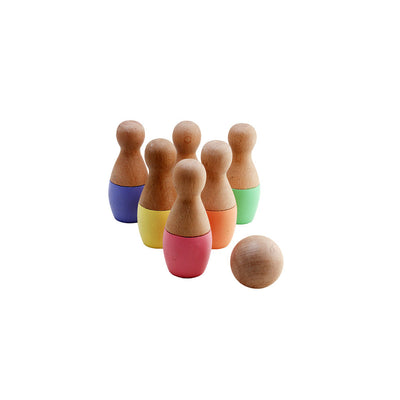
Classic wooden stacking toys or block sets demand precise hand-eye coordination, spatial reasoning, and creative problem-solving, engaging children aged 18-24 months in meaningful play. Unlike battery-operated toys that dictate interaction, Montessori learning materials like wooden puzzles or simple sorting games invite active participation, cultivating independence, critical thinking, and a lifelong love for exploration.
Beyond Play: Cultivating Creativity and Essential Life Skills
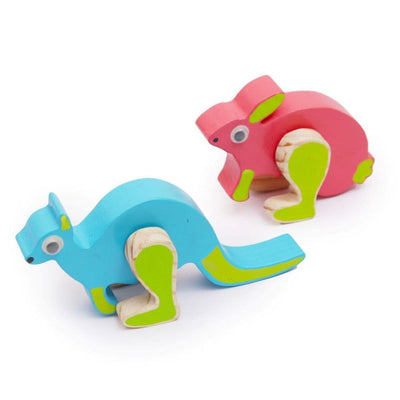
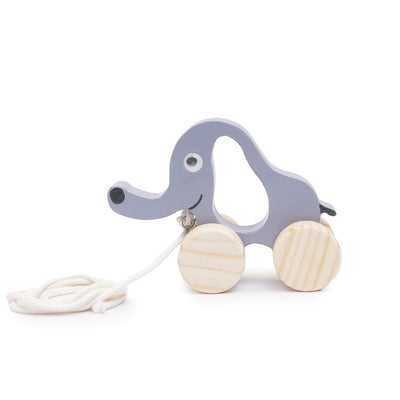
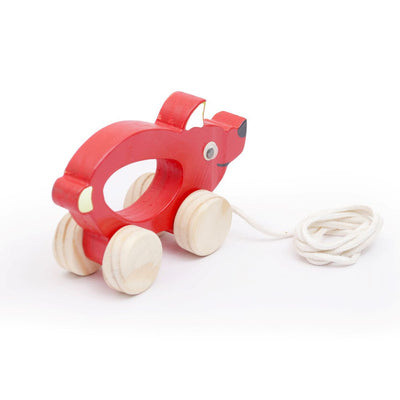
Traditional Indian wooden toys are inherently open-ended; they come without predefined rules, allowing a child's imagination to take flight. This is paramount for nurturing creativity and enhancing problem-solving. When a child engages with a wooden animal figurine or blocks, they actively create worlds, devise scenarios, and explore countless possibilities within their minds.
Child development experts agree that toys promoting imaginative, self-directed play over prescriptive activities are vital for cognitive and emotional growth. These indigenous toys empower children to develop unique narratives, encouraging social interaction during family gatherings. They foster essential life skills like patience, perseverance, and innovative thinking, preparing children for future challenges in a wholesome, unstructured manner.
The Durability Advantage: Investing in Quality for Indian Homes
For discerning Indian parents who value longevity and judicious investments, the inherent durability of traditional wooden toys presents an undeniable advantage. Unlike plastic toys that often break easily, well-crafted wooden toys are meticulously built to endure, frequently transforming into cherished heirlooms passed down through generations within a joint family. This enduring quality perfectly encapsulates the 'quality over quantity' ethos that SkilloToys proudly champions.
Echoing the sentiment for thoughtful, sustainable gifts, as highlighted by 'The Better India's' guide on Christmas gifts for kids, investing in a robust wooden toy signifies a profound commitment to enduring value and responsible consumption. Such timeless toys withstand years of enthusiastic play, offering continuous engagement and serving as a testament to mindful consumerism.
- Traditional Indian wooden toys offer a sustainable, non-toxic alternative to plastic, promoting environmental responsibility.
- These heritage toys strengthen children's connection to Indian culture and ancestral craftsmanship.
- Maria Montessori's principles of simple, open-ended play are perfectly aligned with the design and function of traditional wooden toys.
- Child development experts confirm that wooden toys foster imagination, problem-solving, and fine motor skills more effectively than prescriptive toys.
- Investing in durable wooden toys supports a 'quality over quantity' mindset, providing long-term value and reducing waste.
- The use of natural wood in these toys provides superior sensory engagement, crucial for holistic development in children aged 0-6 years.
Are traditional Indian wooden toys safe for infants and toddlers?
Yes, traditional Indian wooden toys are generally very safe for young children. They are typically made from natural, non-toxic wood and finished with child-safe paints or polishes, avoiding harmful chemicals found in many plastic alternatives. Always check for smooth edges and appropriate sizing to prevent choking hazards for infants.
How do traditional wooden toys support Montessori principles of learning?
Traditional wooden toys align with Montessori principles by being simple, purposeful, and open-ended, encouraging self-directed exploration. They promote concentration, fine motor skill development, and sensory learning through tactile interaction with natural materials, fostering a child's innate curiosity and independence.
What makes these toys more sustainable than modern plastic toys?
Traditional wooden toys are inherently more sustainable because they are crafted from renewable resources like wood, which is biodegradable. Unlike plastic toys that contribute to pollution and landfill waste, wooden toys are durable, long-lasting, and often passed down, significantly reducing their environmental impact over time.
Can traditional Indian wooden toys effectively compete with screen time for children's attention?
Yes, traditional wooden toys can effectively engage children, offering a rich, tactile experience that screens cannot replicate. Their open-ended nature encourages active participation, imagination, and problem-solving, providing deeper engagement and developmental benefits that outweigh passive screen consumption. Parents often find children return to these simple toys again and again.
How do I maintain traditional wooden toys to ensure their longevity?
Maintaining traditional wooden toys is simple and ensures their longevity. Regularly wipe them clean with a damp cloth and mild soap, avoiding harsh chemicals or prolonged water exposure which can damage the wood. Occasionally, you can lightly oil them with food-grade mineral oil or beeswax to keep the wood nourished and prevent cracking.