
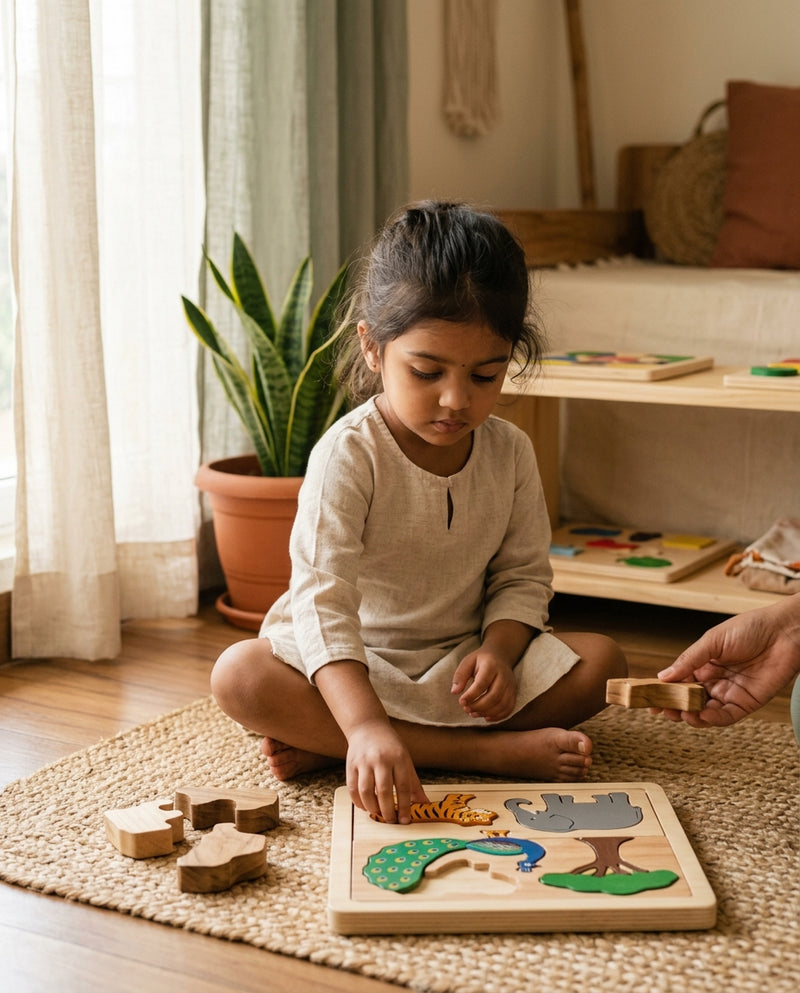
Buying guide
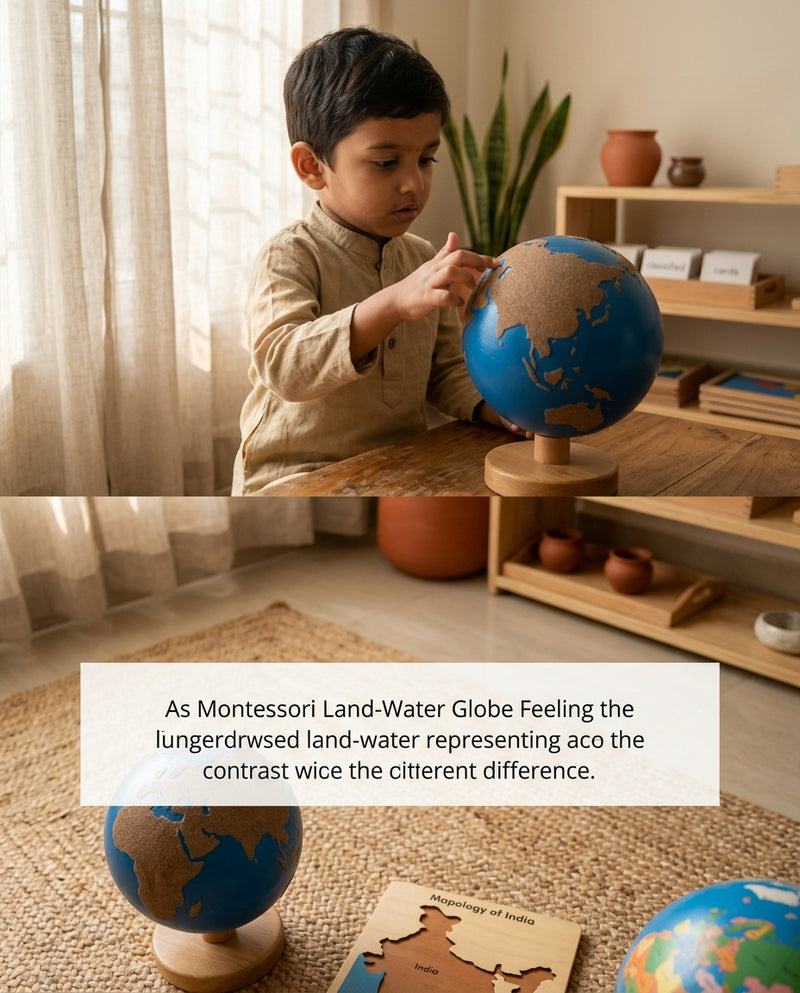
Learning & Language
Parent's buying guide
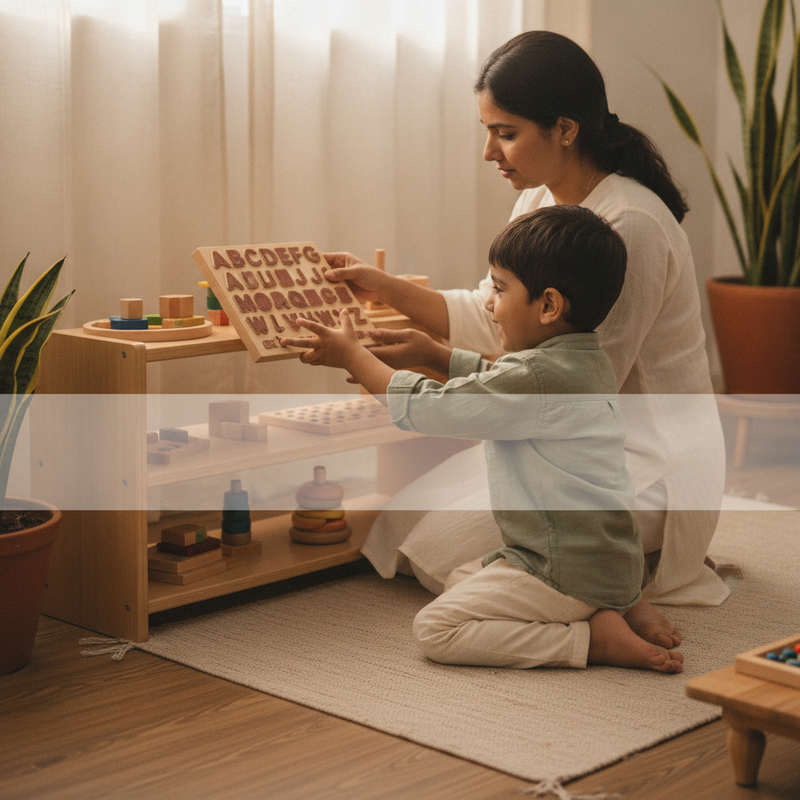
How to build a learning and language shelf at home in India.
Start with the language you speak
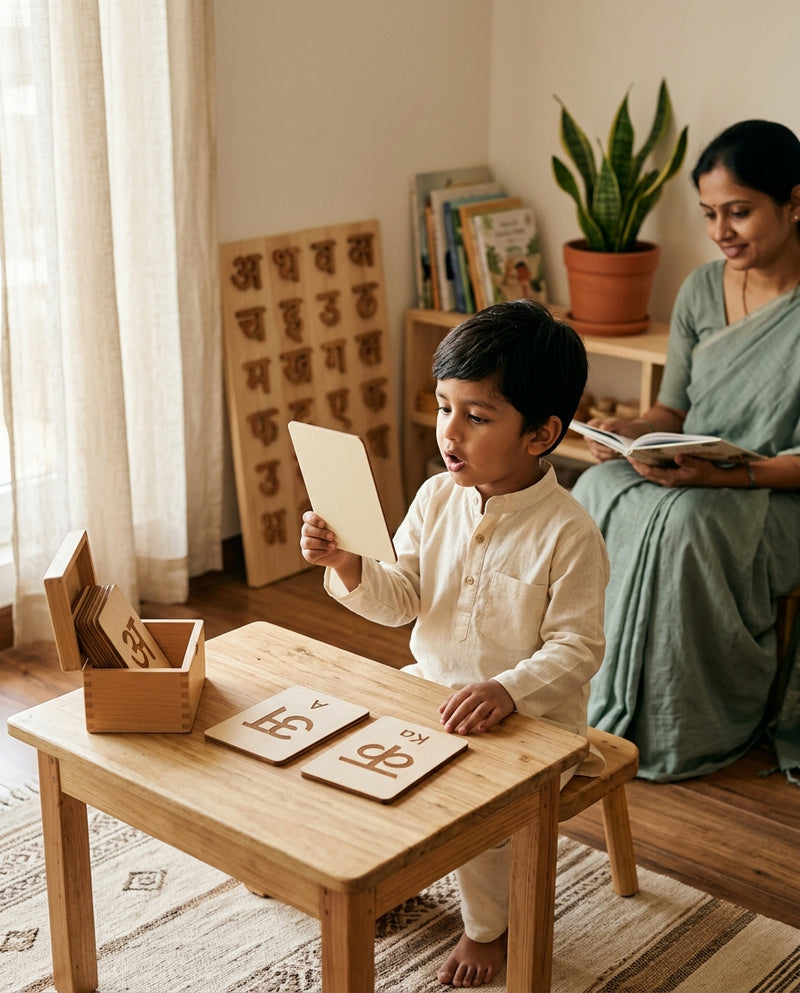
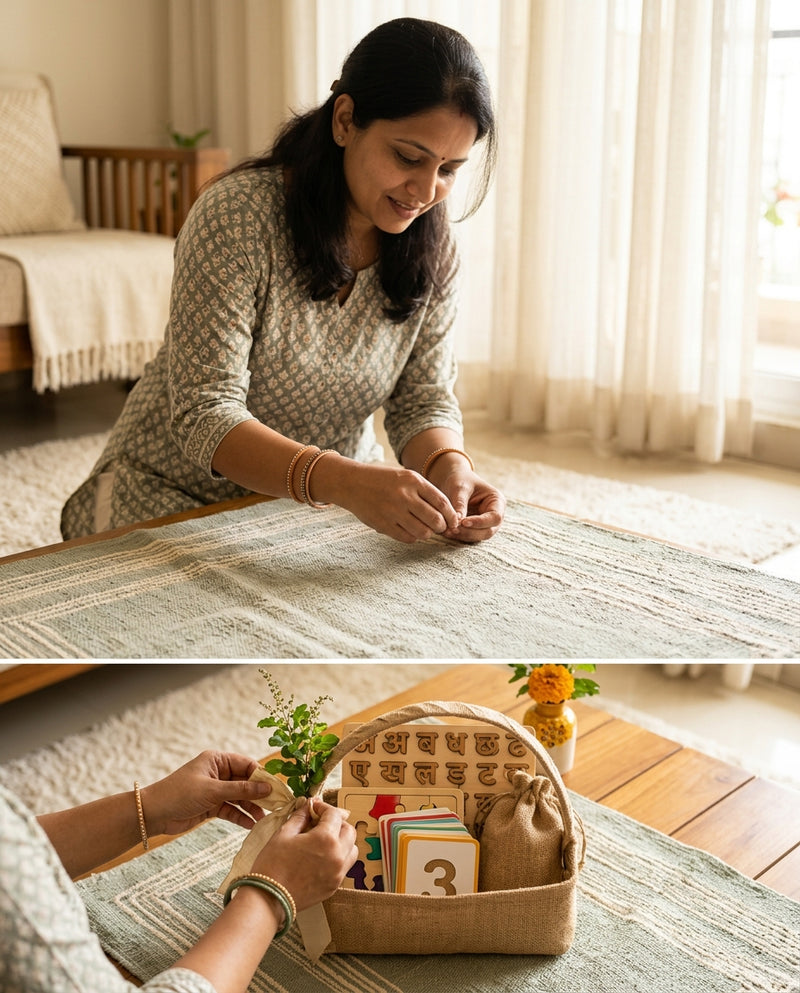
- If Hindi is spoken at home, begin with Hindi varnamala. If you speak Tamil, Telugu, Kannada or Malayalam, start there.
- English comes alongside, not first. Letter shape and sound in the mother tongue first.
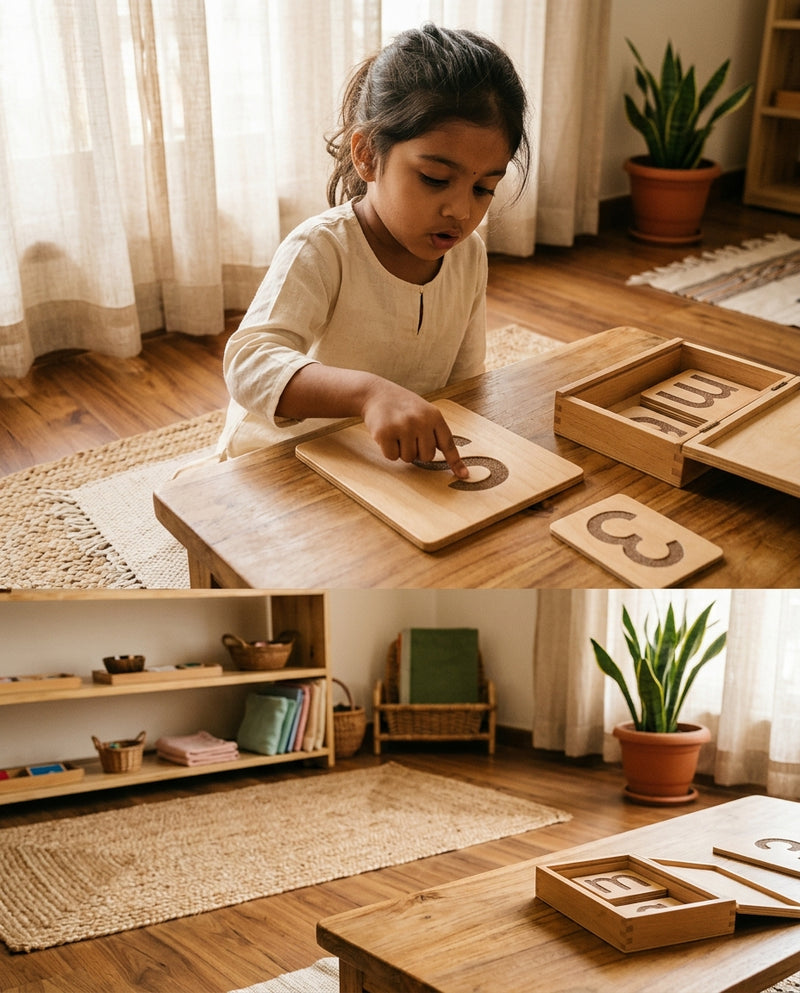
Sandpaper before everything else
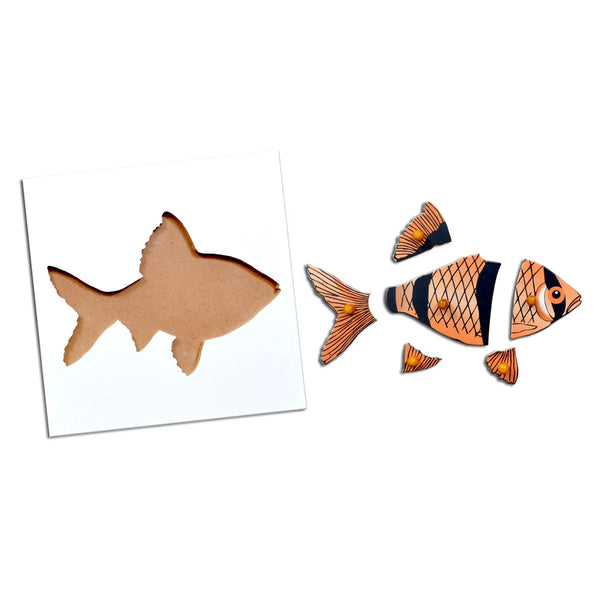
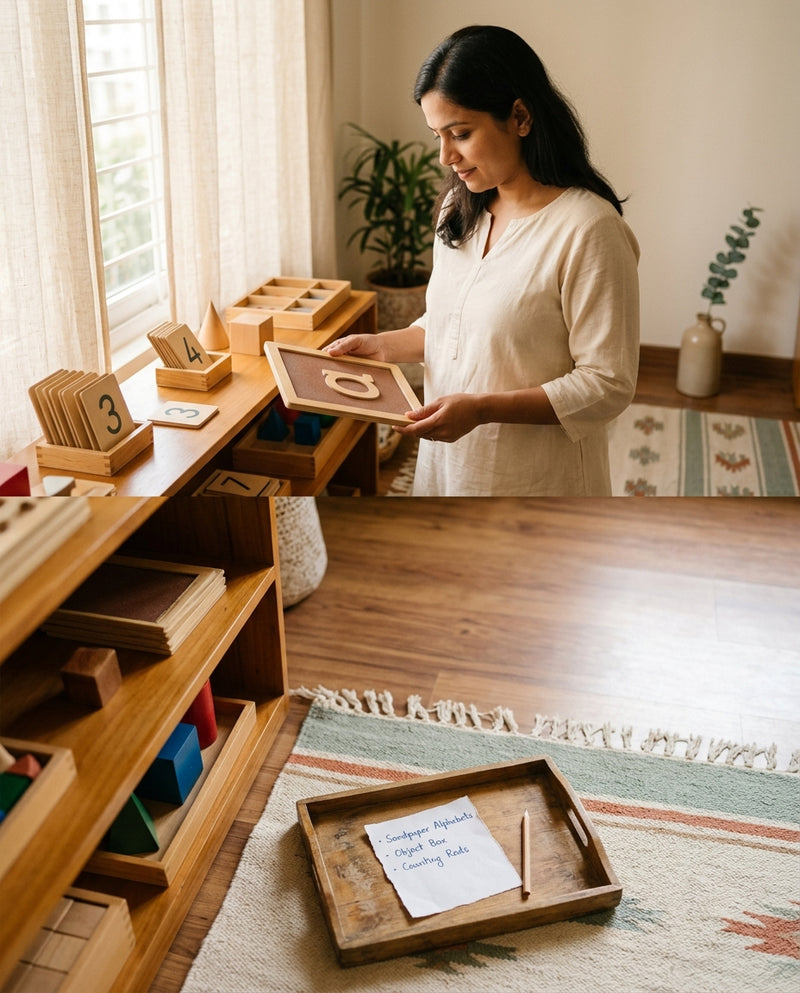
- Plain wooden cutouts teach shape. Sandpaper teaches shape PLUS the motor pattern for writing.
- Worth the extra few hundred rupees. The handwriting foundation only forms once.
Movable before tracing books
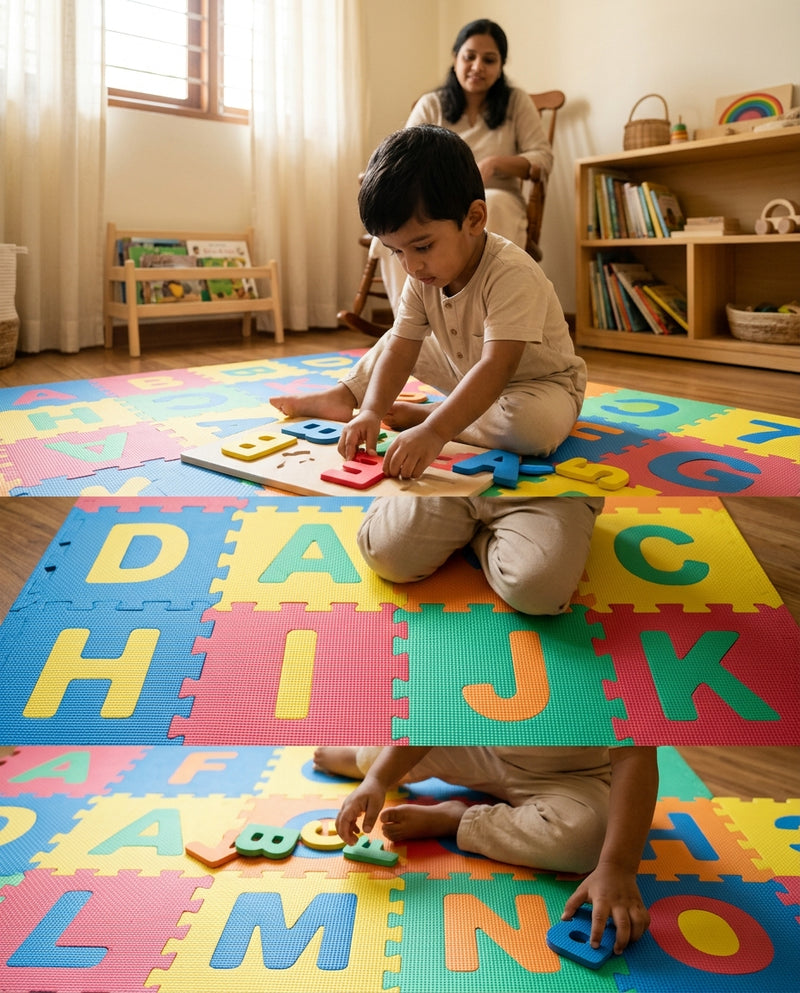
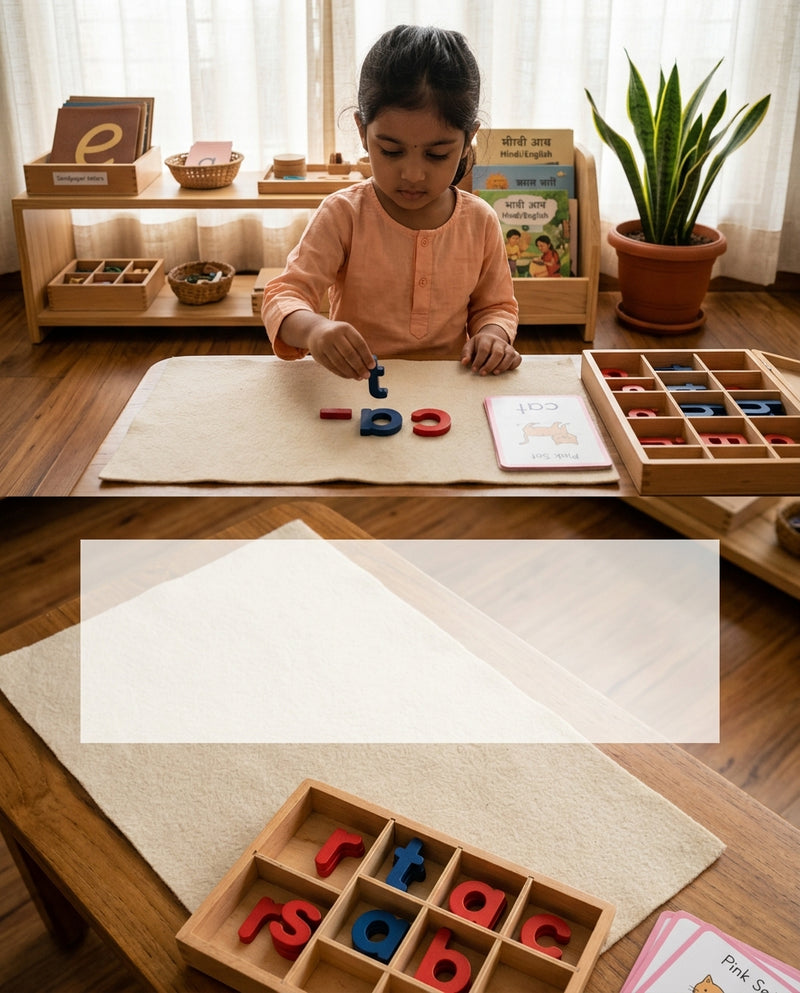
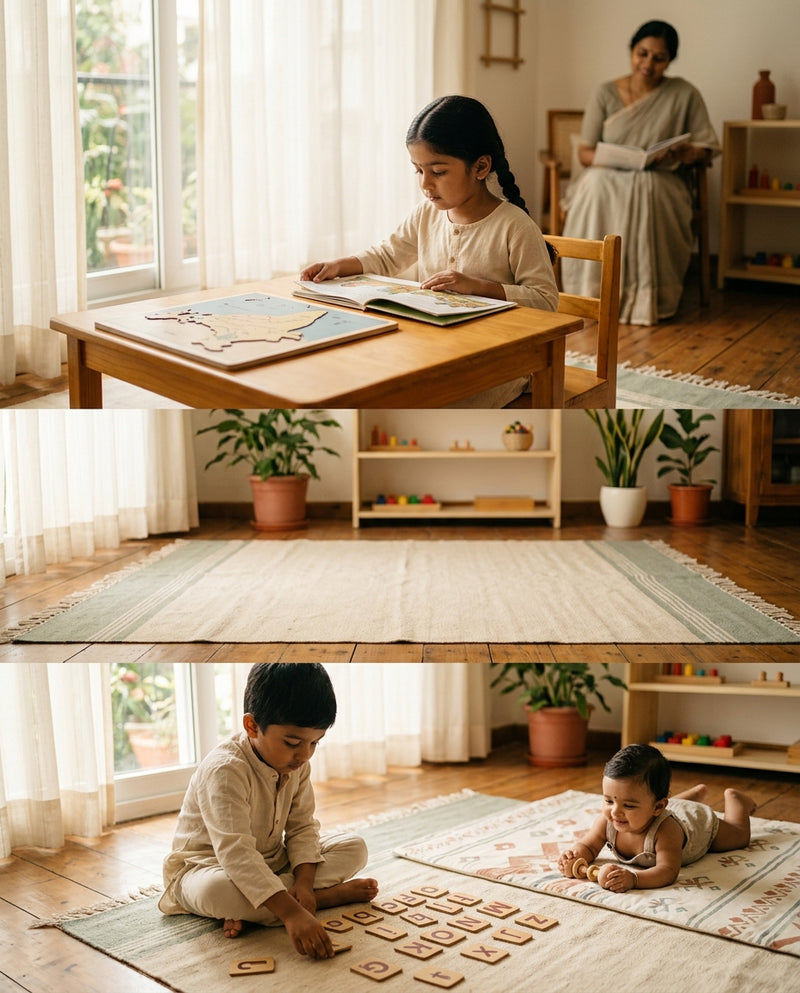
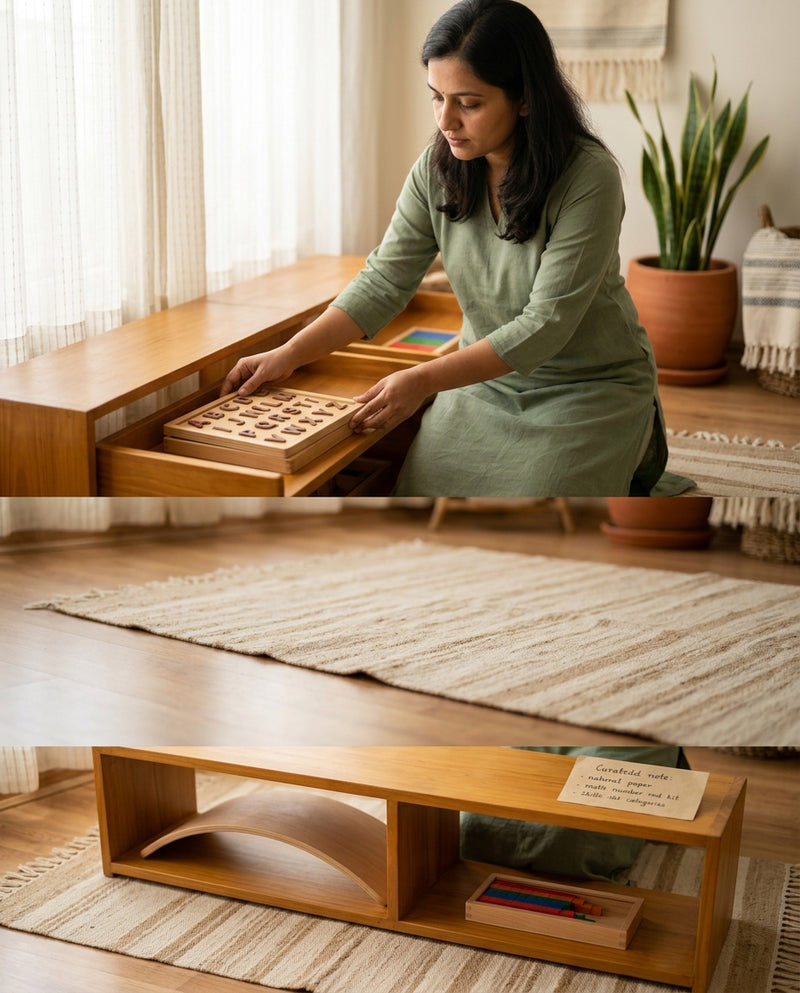
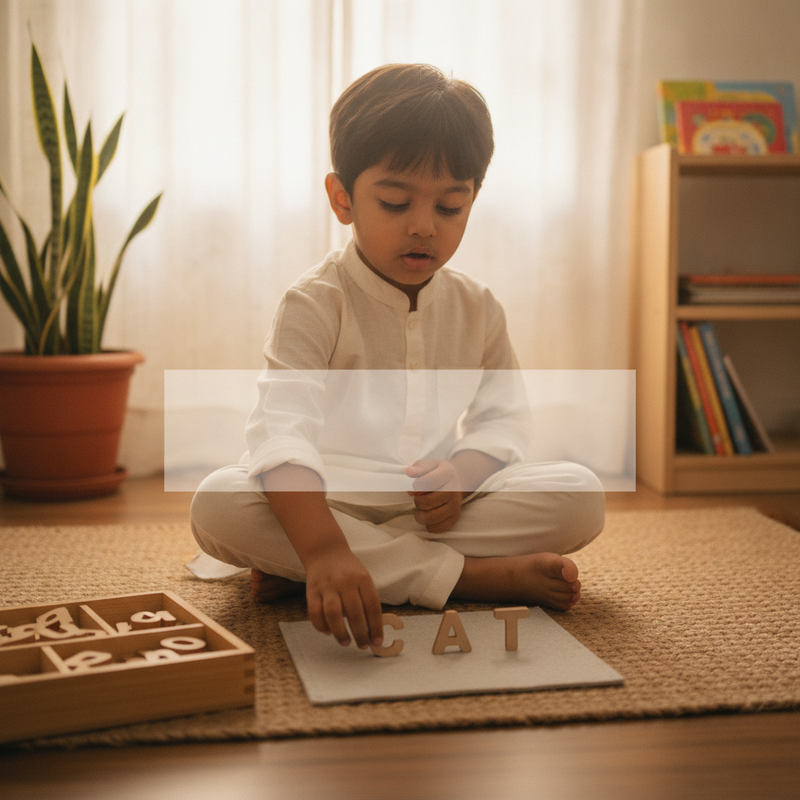
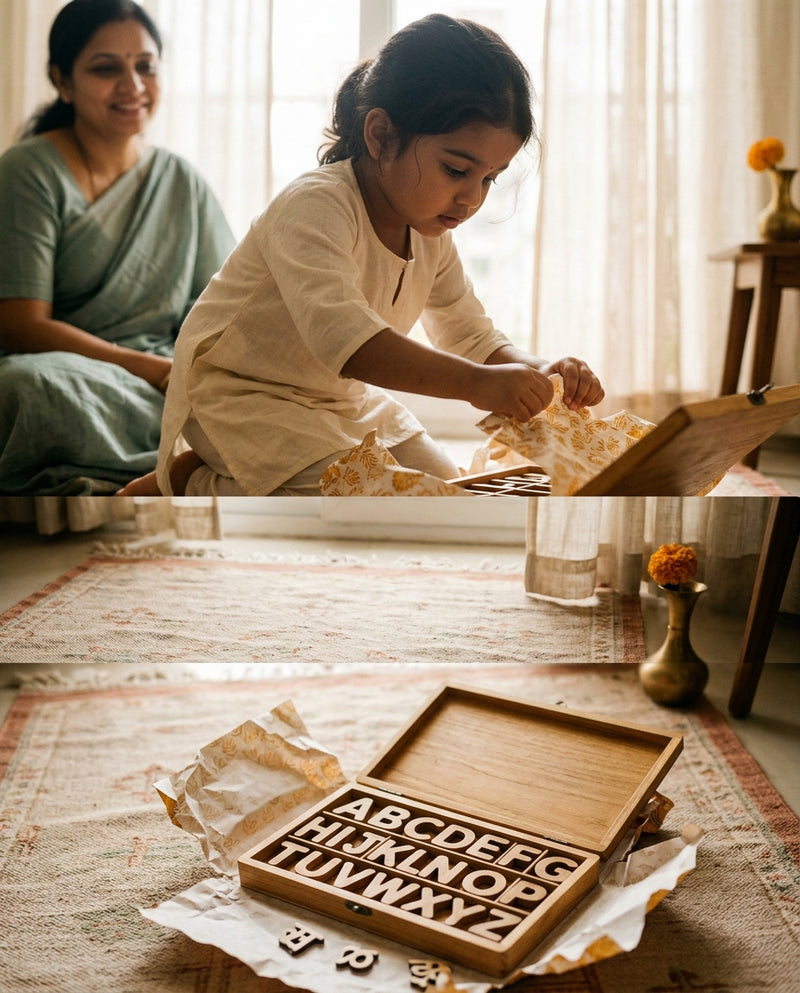
- Movable alphabet lets the child compose words months before they can write.
- Tracing workbooks force the hand before it is ready. Lots of frustration, little learning.
- Save the workbooks for after first word-building is fluent.
Numbers through quantity first, symbols second
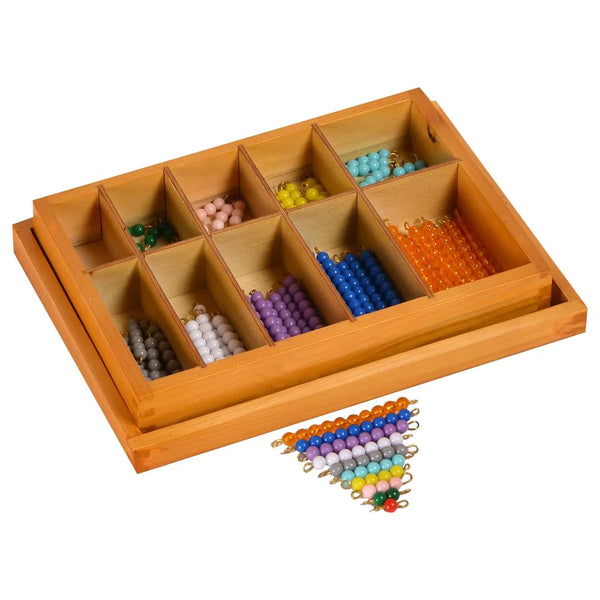
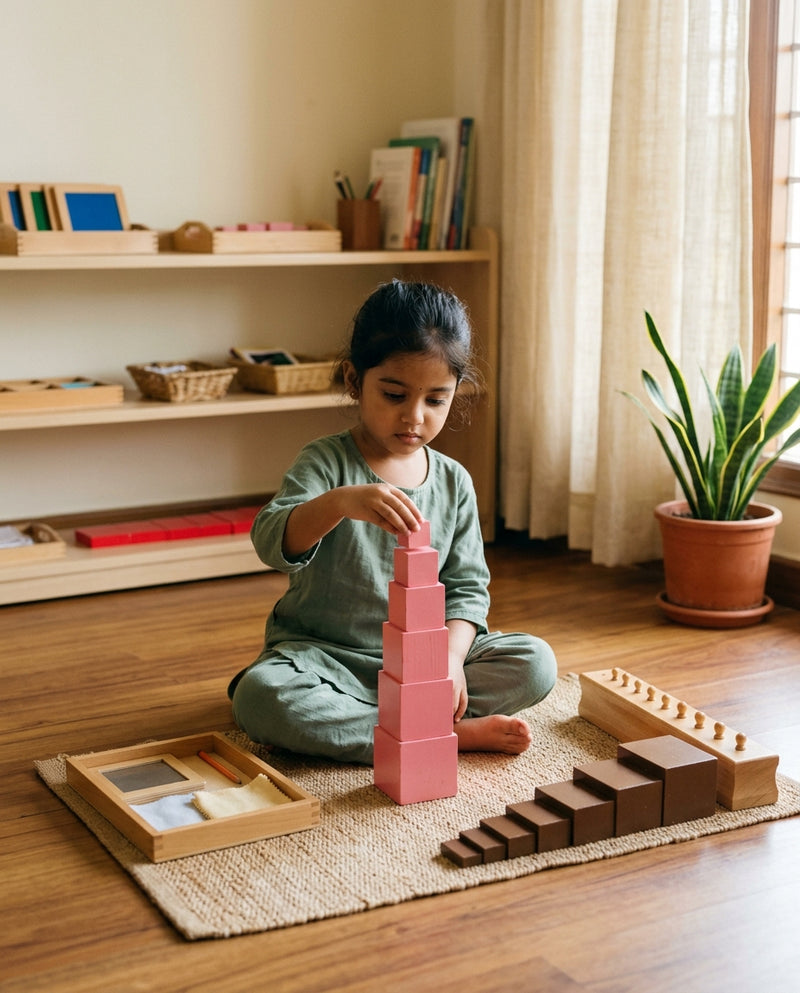
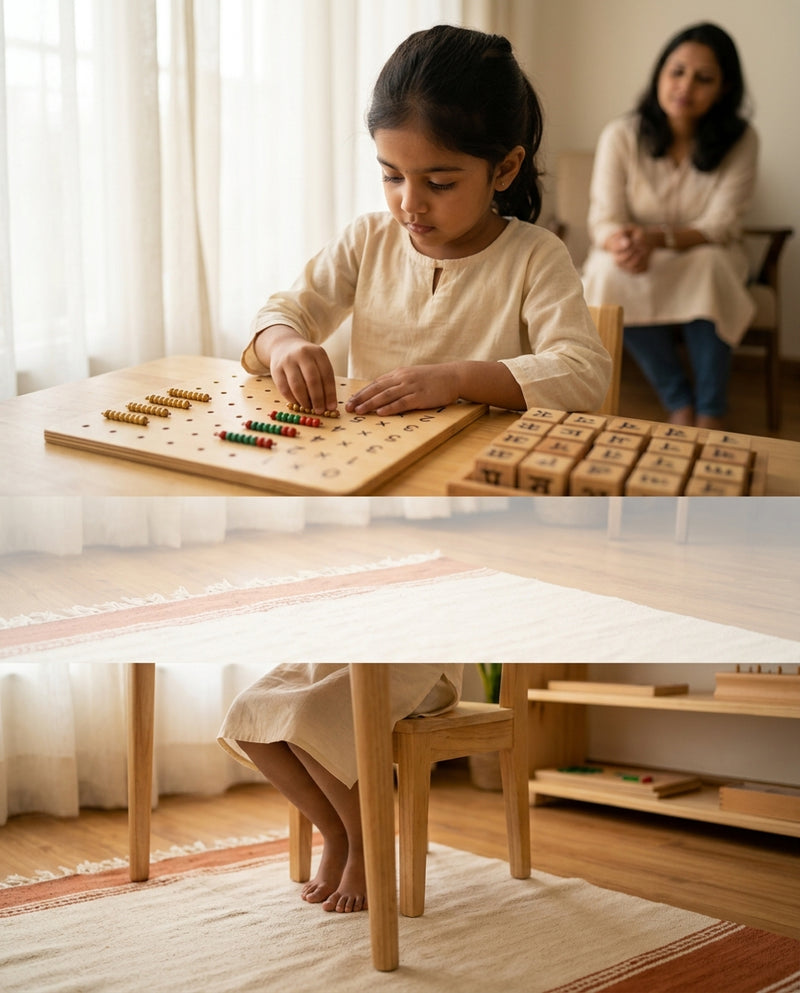
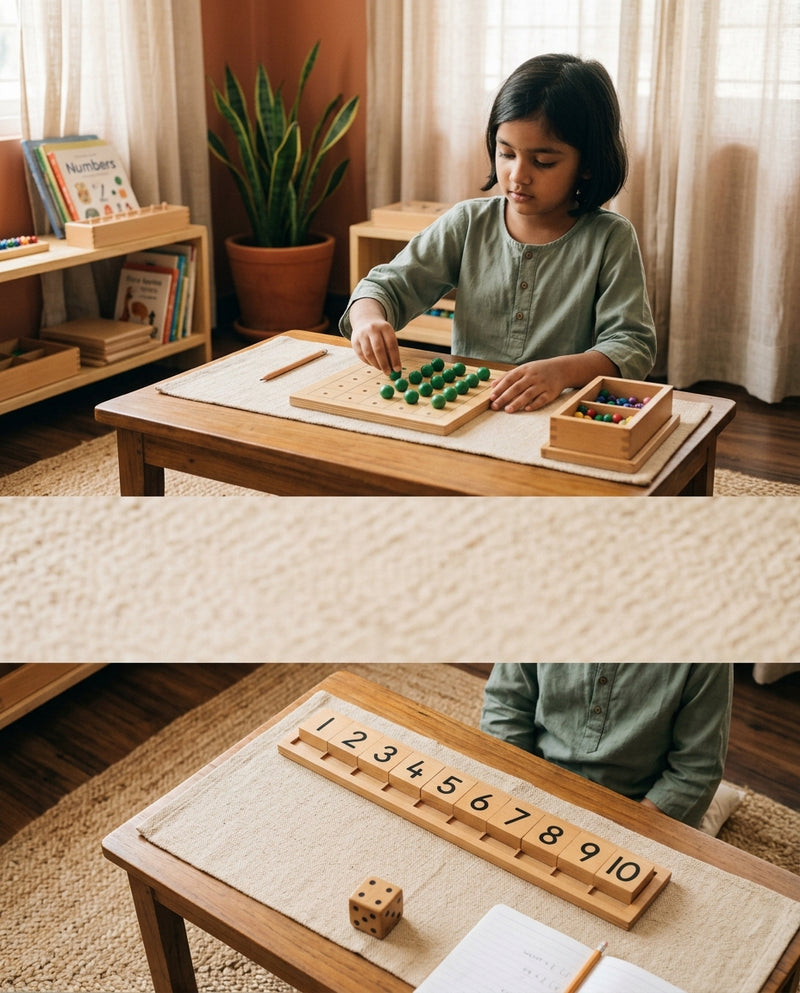
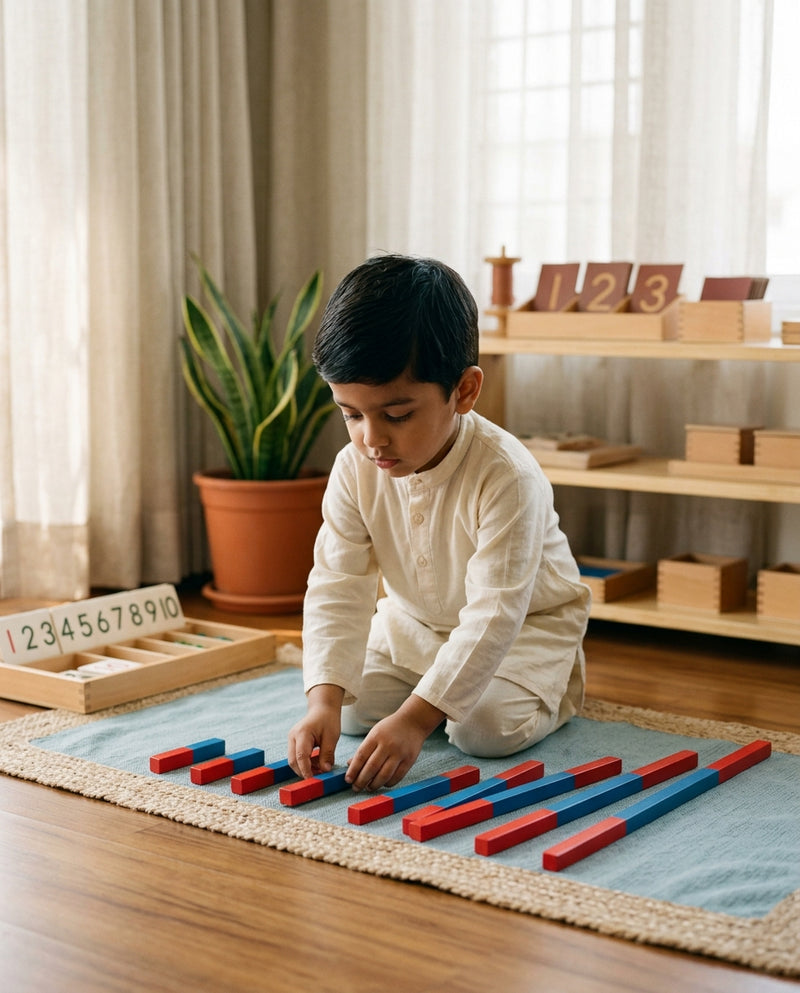
- Number rods or bead bars before sandpaper numbers. The child should know what 5 IS before they read the digit.
- This reverses the order most Indian schools use, but it is the order the brain actually learns.
Budget guidance
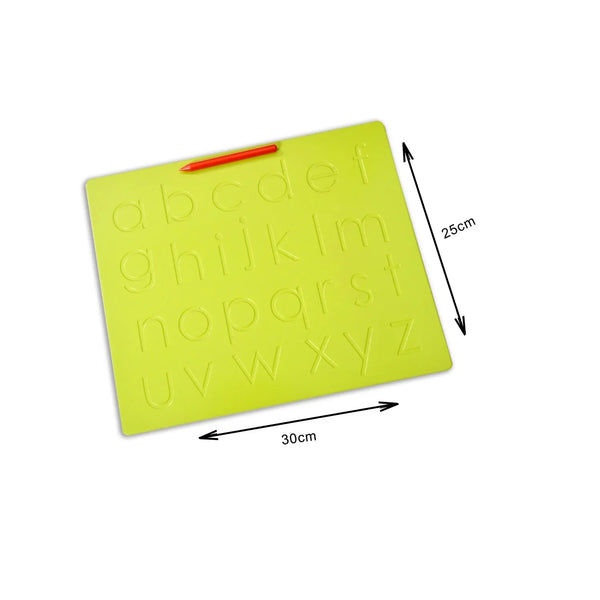
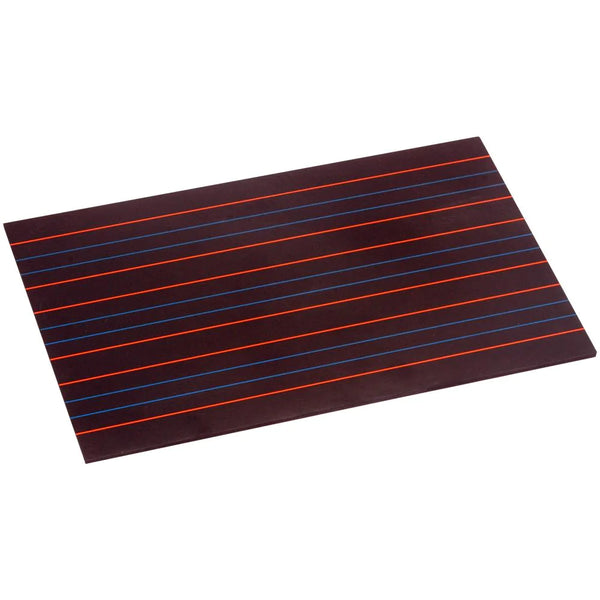
- Year 1 (age 3 to 4): Hindi varnamala + English sandpaper letters + learning slate, Rs. 2,000 to Rs. 3,500.
- Year 2 (age 4 to 5): Movable alphabets in both scripts + sandpaper numbers + number rods, Rs. 5,000 to Rs. 8,000.
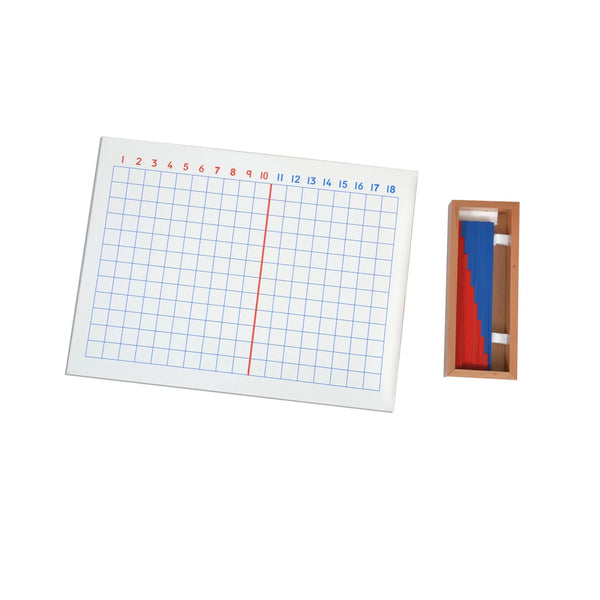
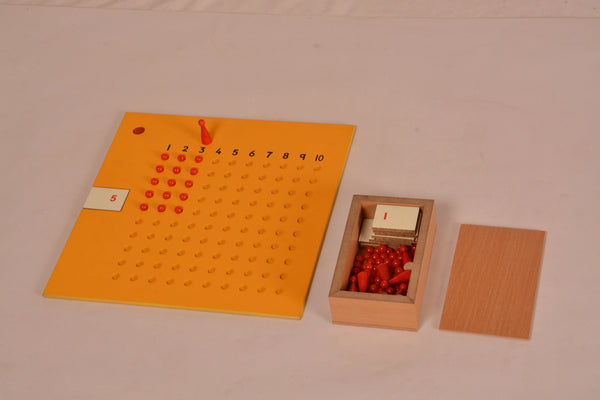
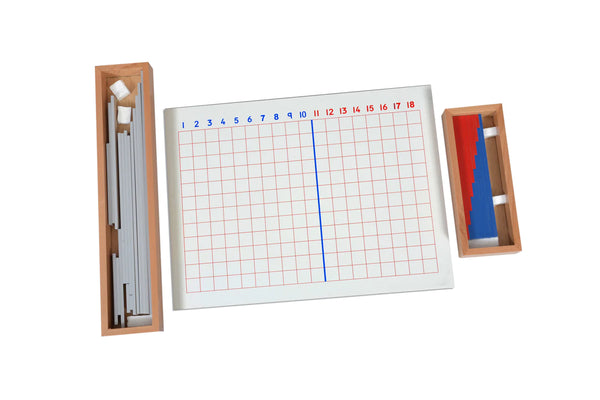
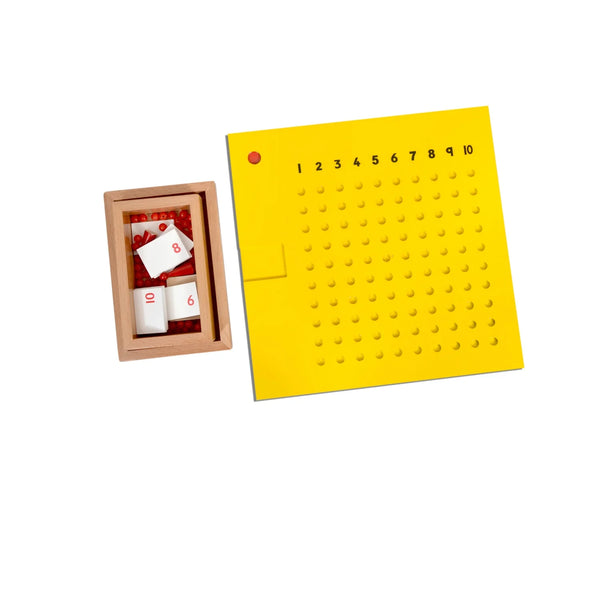
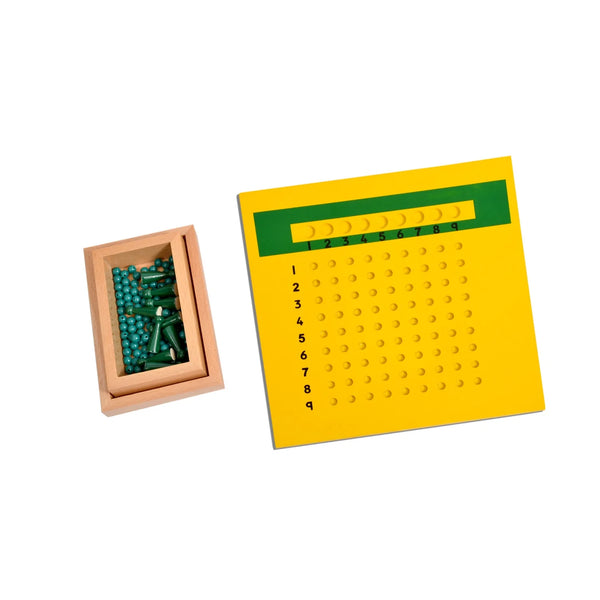
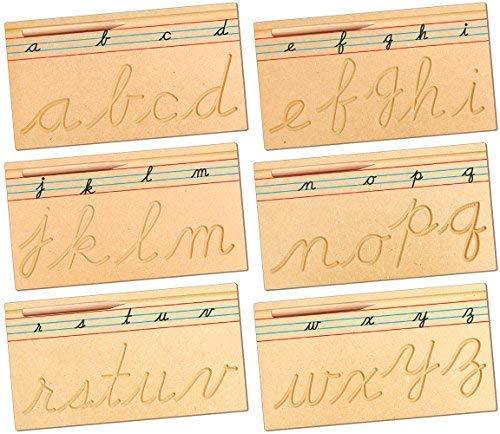
- Year 3 (age 5 to 6): Addition board, multiplication intro, cursive letters, Rs. 3,500 to Rs. 6,000.
- Total over 3 years: Rs. 10,500 to Rs. 17,500. Lasts for siblings.
What to skip
- Talking ABC plastic toys: they teach the brand, not the letter.
- Premature workbooks for under-five: frustration without learning.
- App-only learning: hand-brain wiring needs physical materials at this age.
- Cursive before lower-case print: confuses the foundation.
Skills this shelf builds
What does a well-built learning and language shelf actually build? The foundations of literacy and numeracy that determine how the child experiences school for the next decade.
Letter and script foundations
- Letter shape recognition by sight and touch.
- Sound-symbol association: connecting the letter you see to the sound you say.
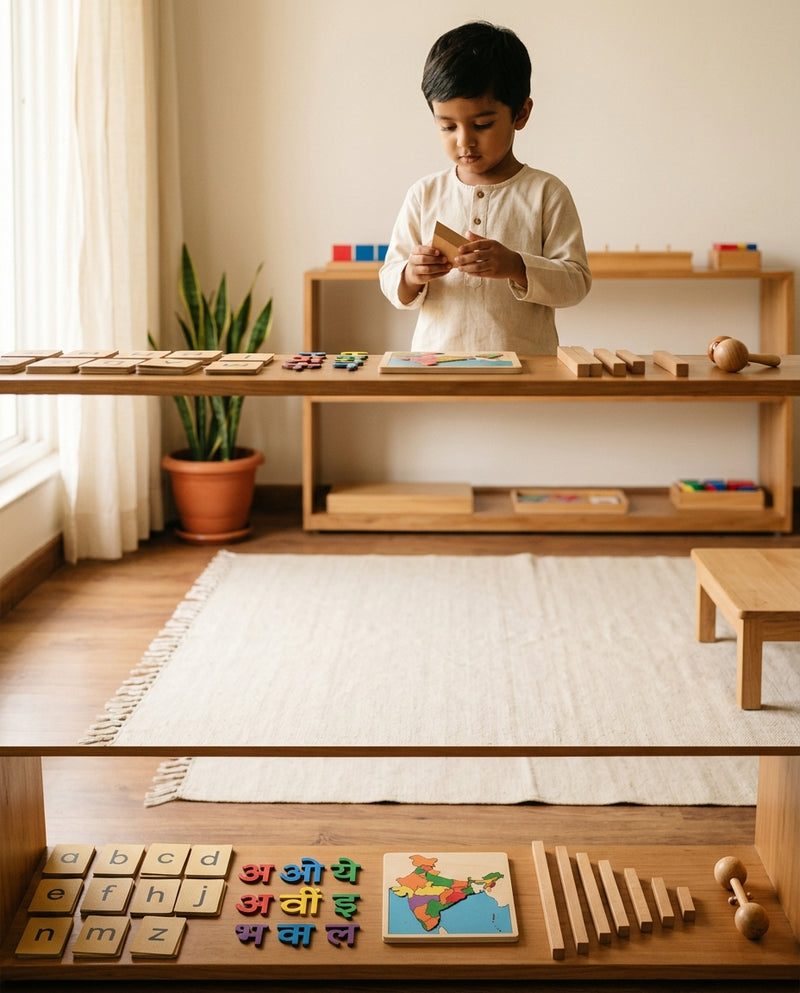
- Multi-script fluency: Hindi varnamala, English alphabet, regional scripts side by side.
- Pre-writing motor patterns through finger-tracing.
Reading readiness
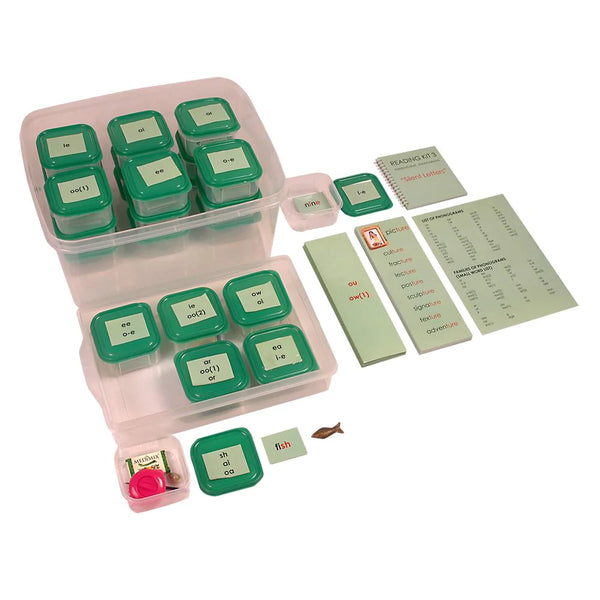
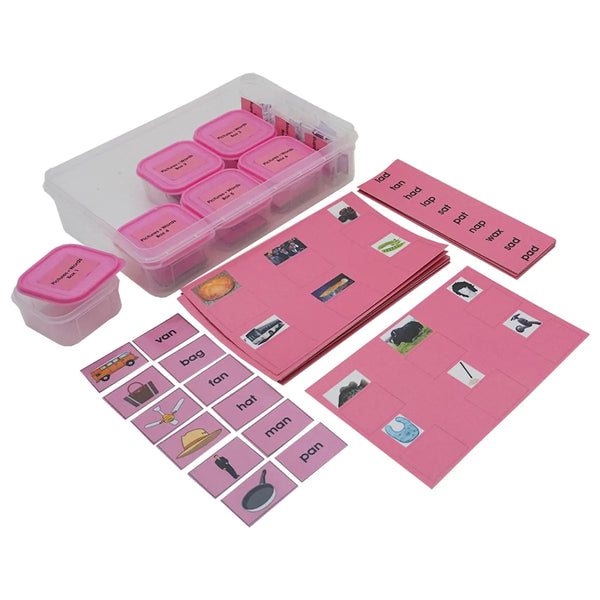
- Word building with movable alphabet before pencil writing.
- Phonetic blending: putting sounds together to make words.
- Sight word recognition: high-frequency words by repetition.
- Reading confidence: simple words read independently before grade 1.
Number sense
- Digit recognition by sight and touch.
- Quantity understanding through concrete materials (rods, beads, counters).
- Cardinal and ordinal counting up to 100.
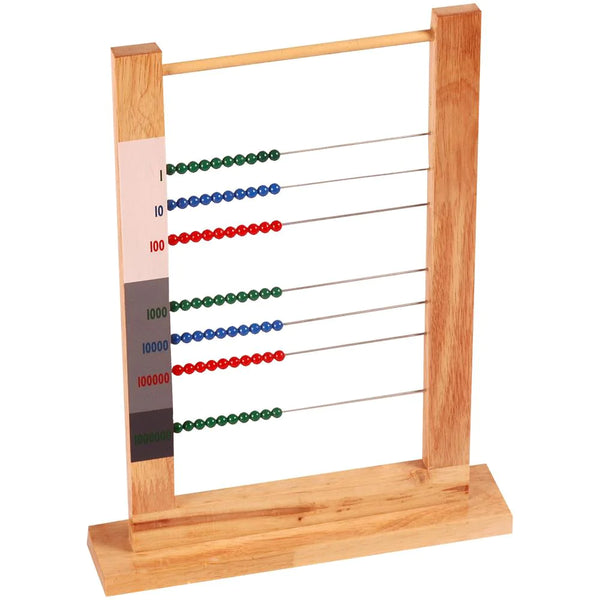
- Place value and decimal system through golden beads.
First arithmetic
- Addition with concrete materials before symbols.
- Subtraction as taking away physical pieces.
- Skip counting that leads naturally to multiplication.
- Division as sharing real objects equally.
Cognitive habits
- Concentration on one material for 15 to 30 minutes.
- Independent work: choosing, doing, finishing, packing away.
- Self-correction: noticing your own mistakes before adults do.
- Love of learning: the foundation under everything academic that follows.