



Educational Maps
Parent's buying guide
How to choose educational maps for your child:
For 4 to 5 years: start with Continents Map Learning Board. The seven continents have distinctive shapes and limited number - perfect first global understanding before drilling into countries or states.
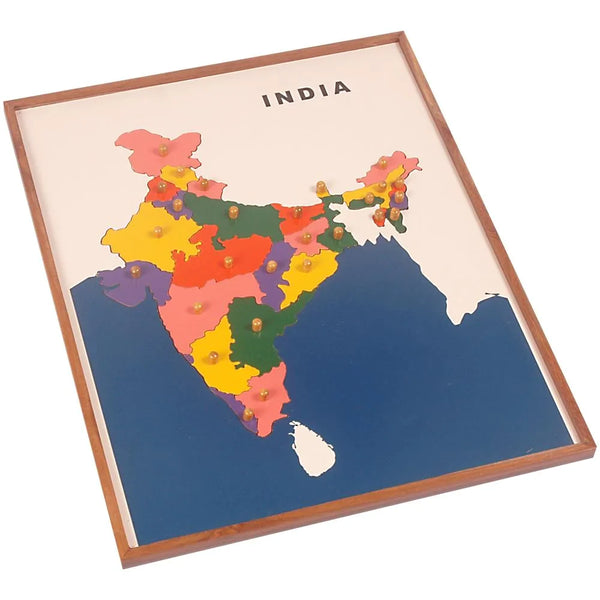
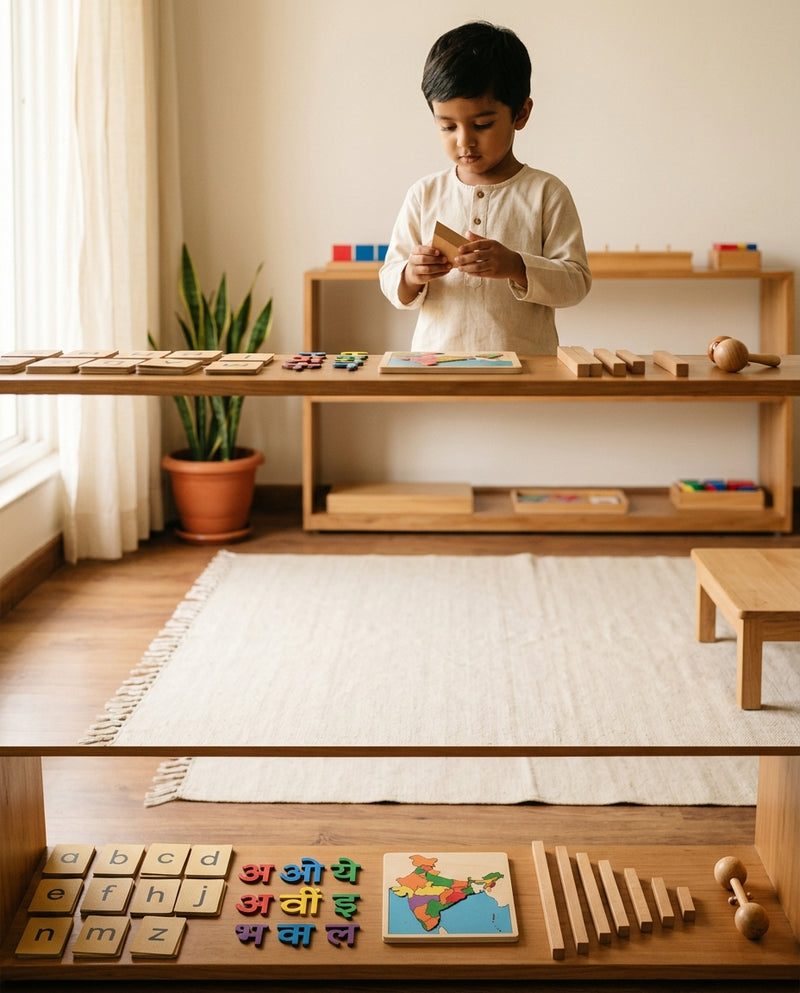
For 5 to 7 years: India Map work. Premium Wood India Map Puzzle for chunky-piece state recognition. India Map Learning Board for knobbed fine-motor map placement. Wooden Political Map Puzzle with state names and capitals printed.
For 6 to 9 years: World geography expansion. World Map Wooden Puzzle Set (countries level), Montessori World Map with Continents and Earth Core (advanced earth science overlay), Continents Map for revision.
For Indian regional pride and CBSE/ICSE state-board prep: Karnataka Map Learning Board or Tamil Nadu Map. State-specific maps deliver district-level detail and cultural pride. Especially valuable in class 4-5 when state geography becomes a syllabus topic.
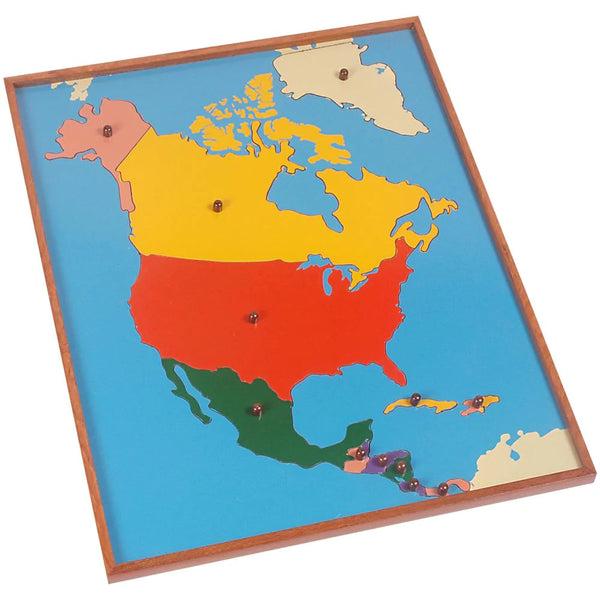
For serious Montessori homes: Mapology of India, Mapology of Karnataka, Mapology of Tamil Nadu, Montessori North/South American Map Learning Boards. These are AMI-grade map systems that replace 3-4 separate puzzles and provide years of progressive geography work.
Skills this shelf builds
What educational map work actually builds:
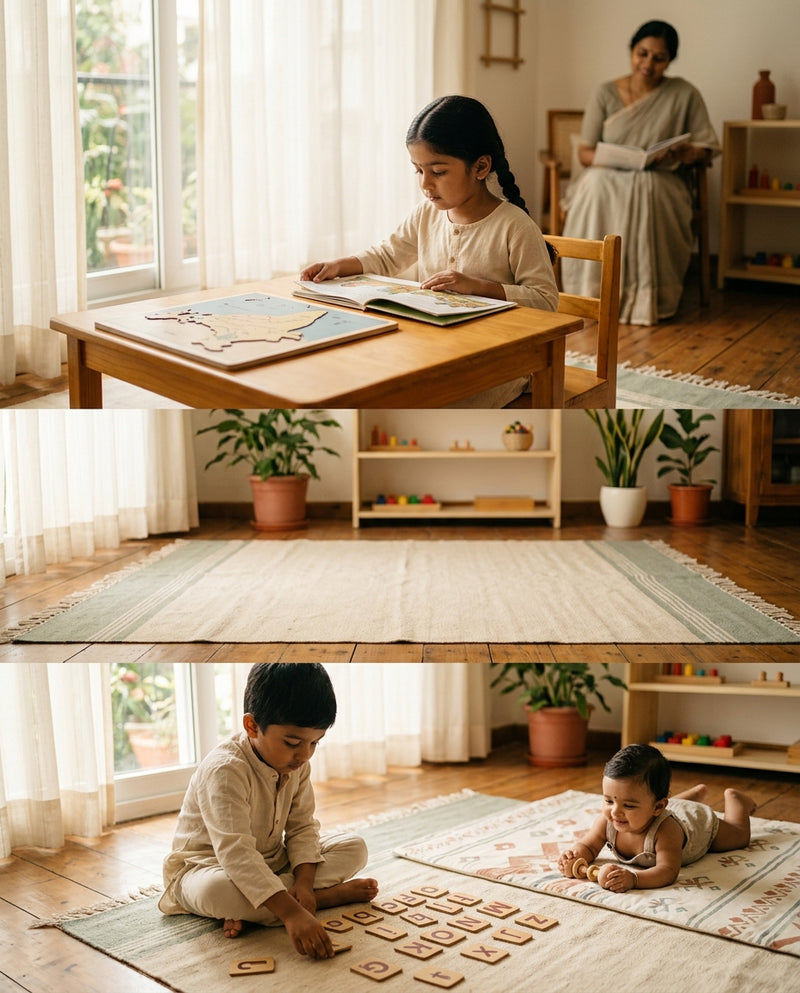
Deep geographic recall through hands-plus-eyes-plus-memory learning. A child who has held the wooden state of Maharashtra never forgets where it is on the map. The tactile learning channel encodes geography in a way visual-only learning cannot match.
CBSE / ICSE / state-board social studies readiness. Indian school geography introduces continents in class 2-3, India physical and political map in class 4-5, individual state geography in class 5-6. Children doing map work at home walk in years ahead.
Spatial reasoning and shape recognition. Identifying state shapes by elimination, fitting countries into continents, comparing relative sizes - all build the spatial logic that underlies geometry and engineering thinking later.
Cultural awareness and pride. Children who know their home state intimately - districts, capital, neighbours - develop a stronger sense of cultural identity. Children who know all 29 Indian states develop a sense of national geography that no rote-learned list can match.