





Learning Furniture
Parent's buying guide
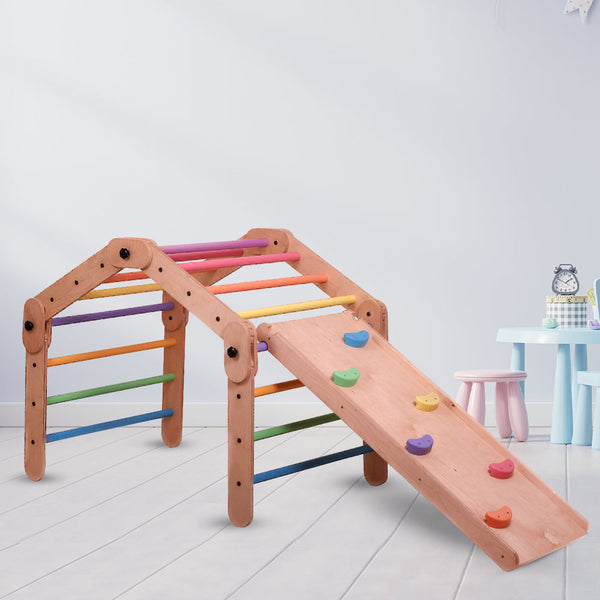
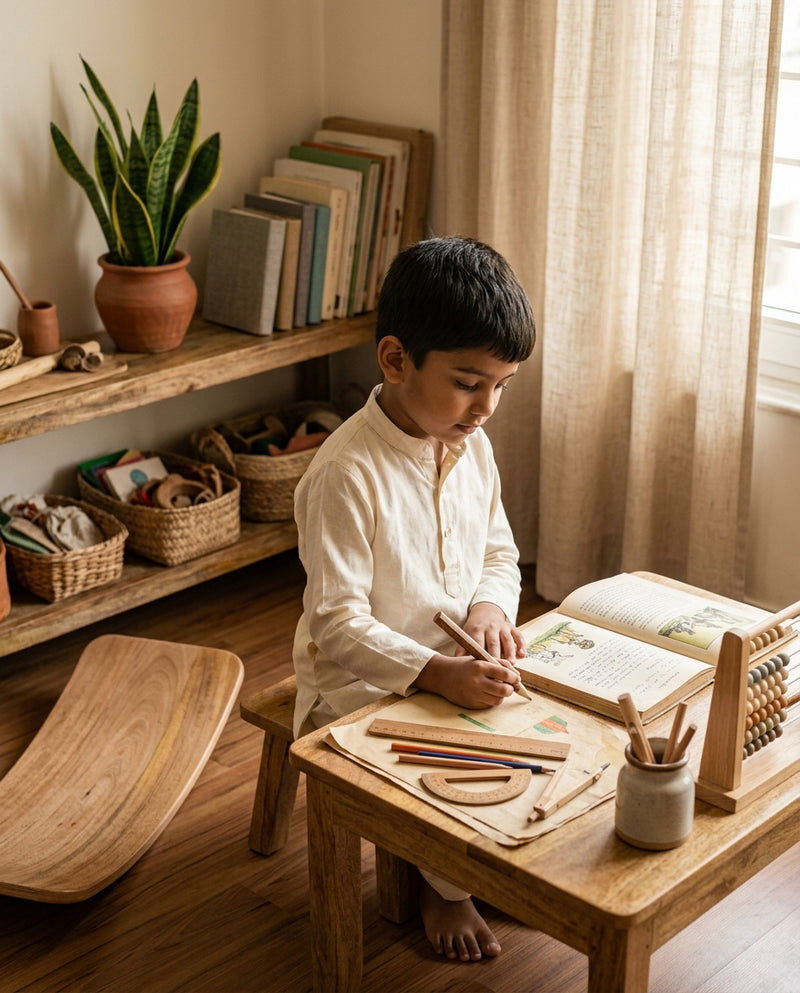
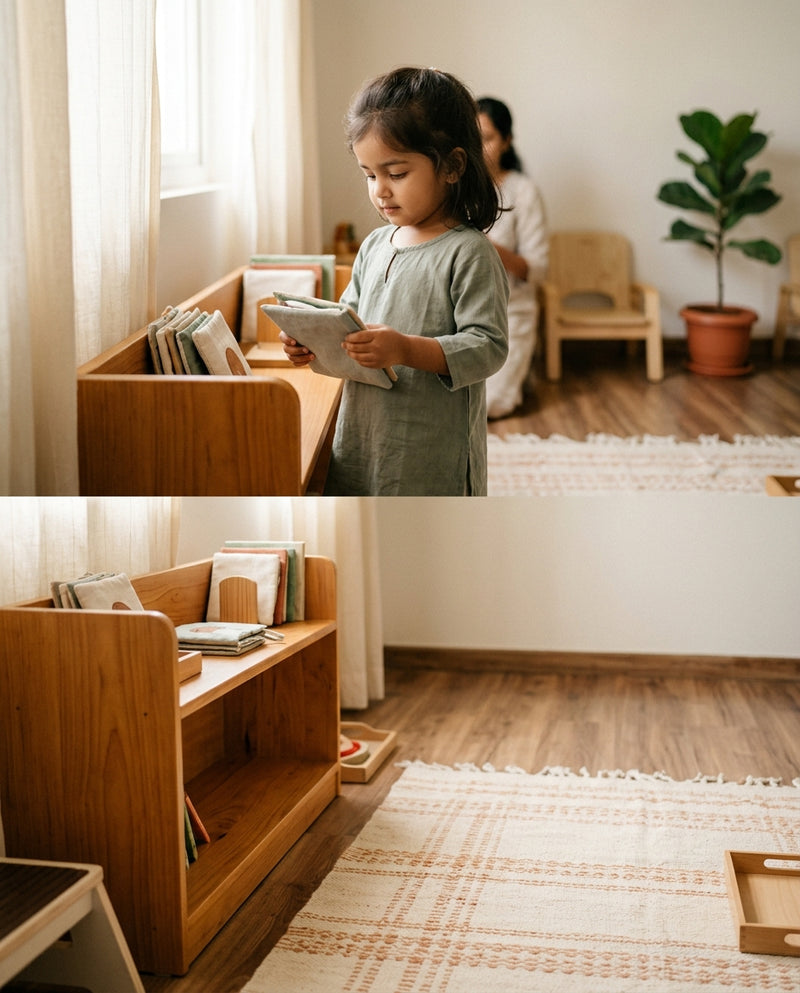
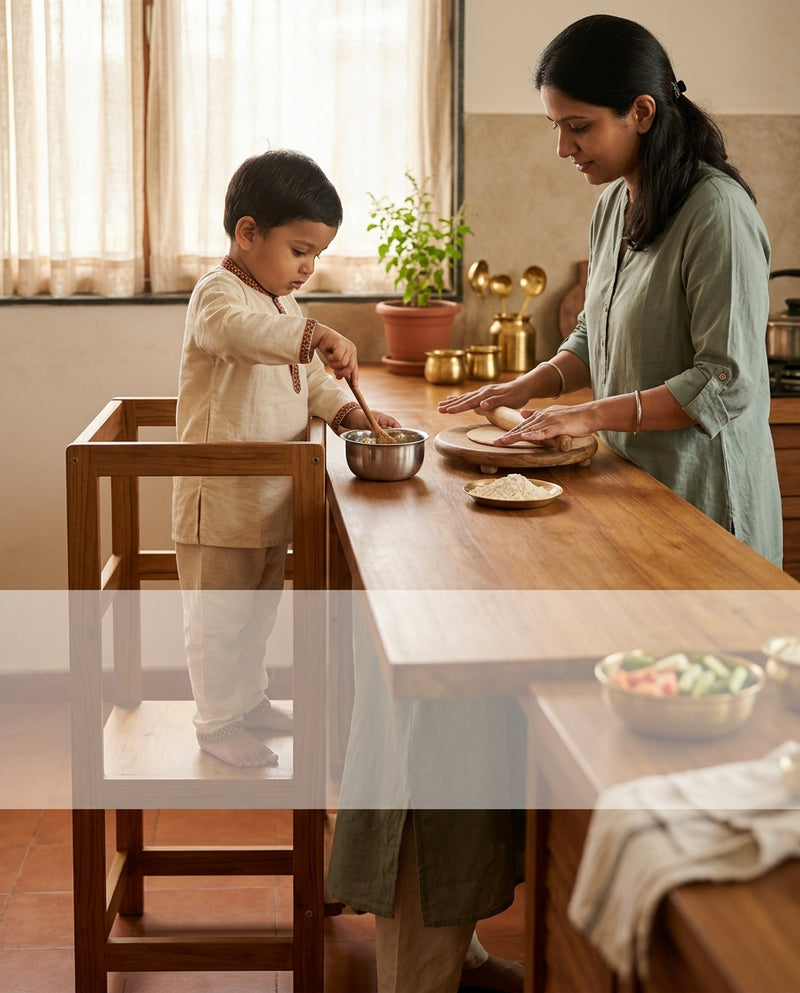
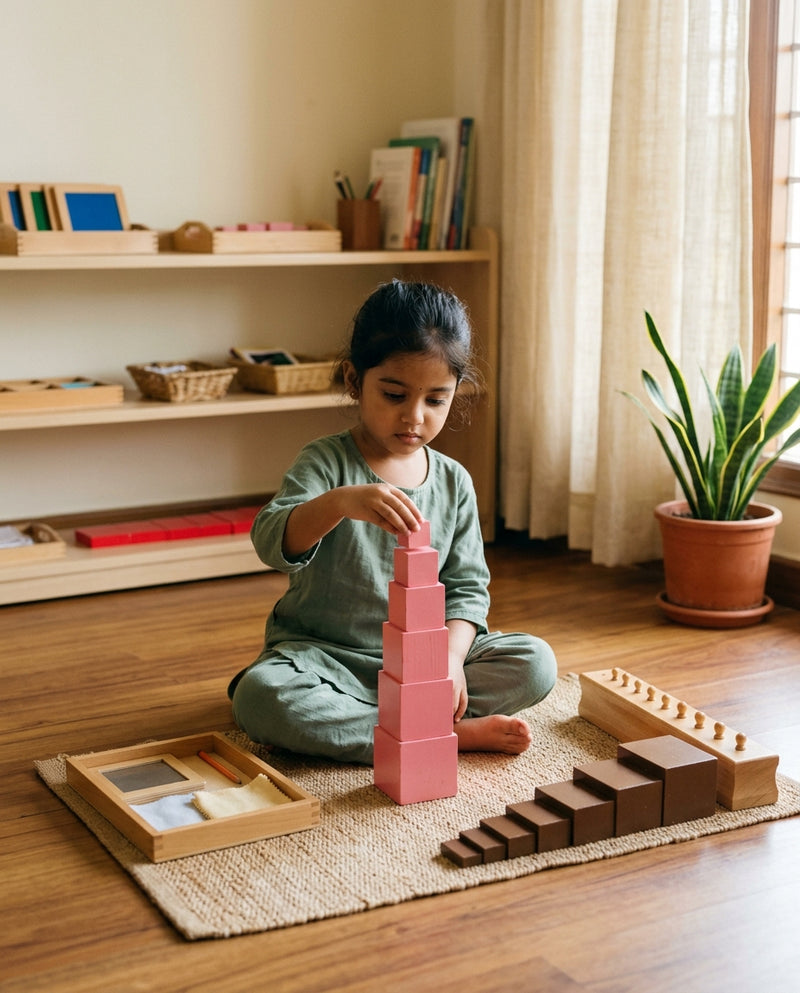
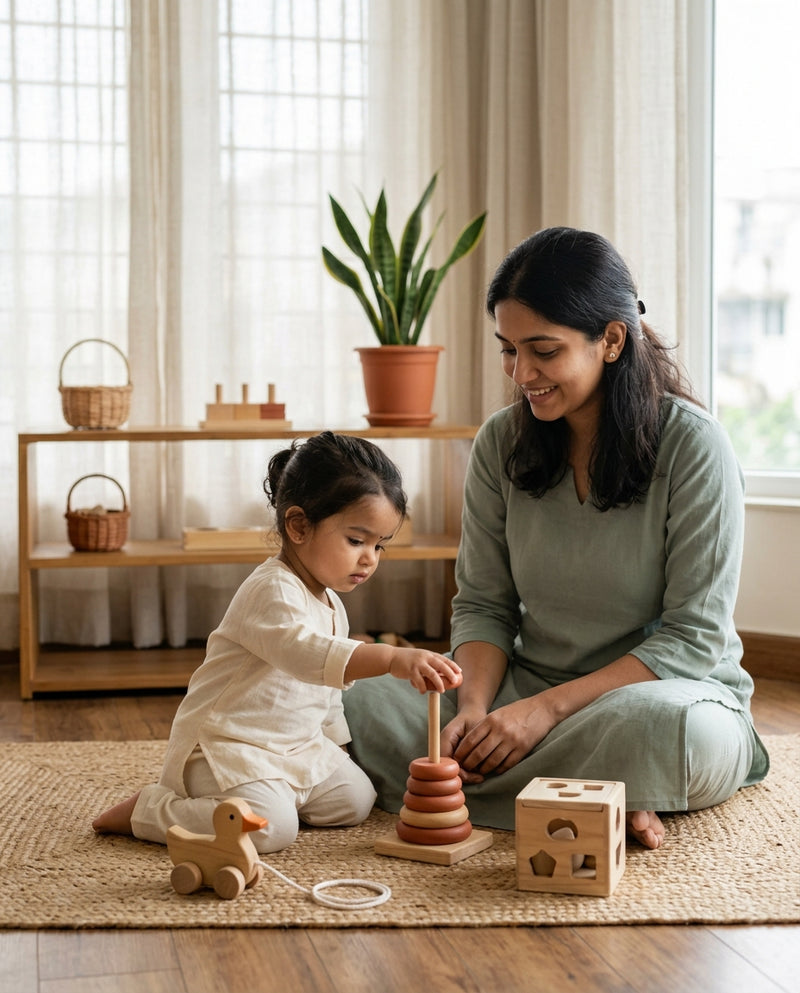
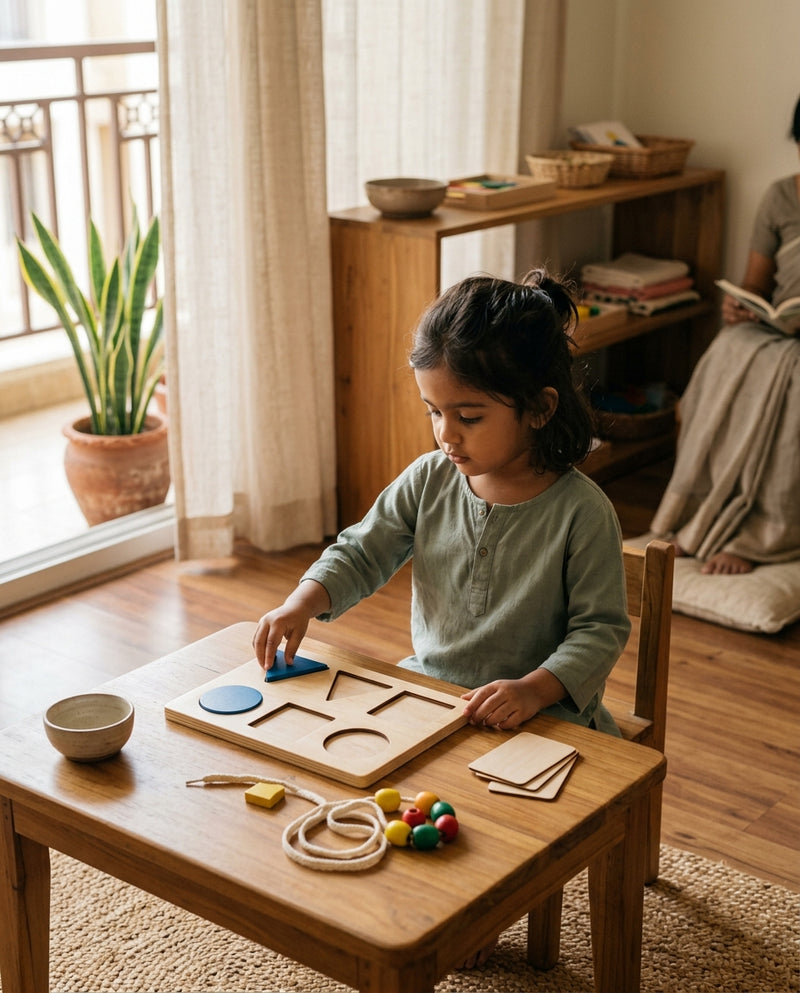
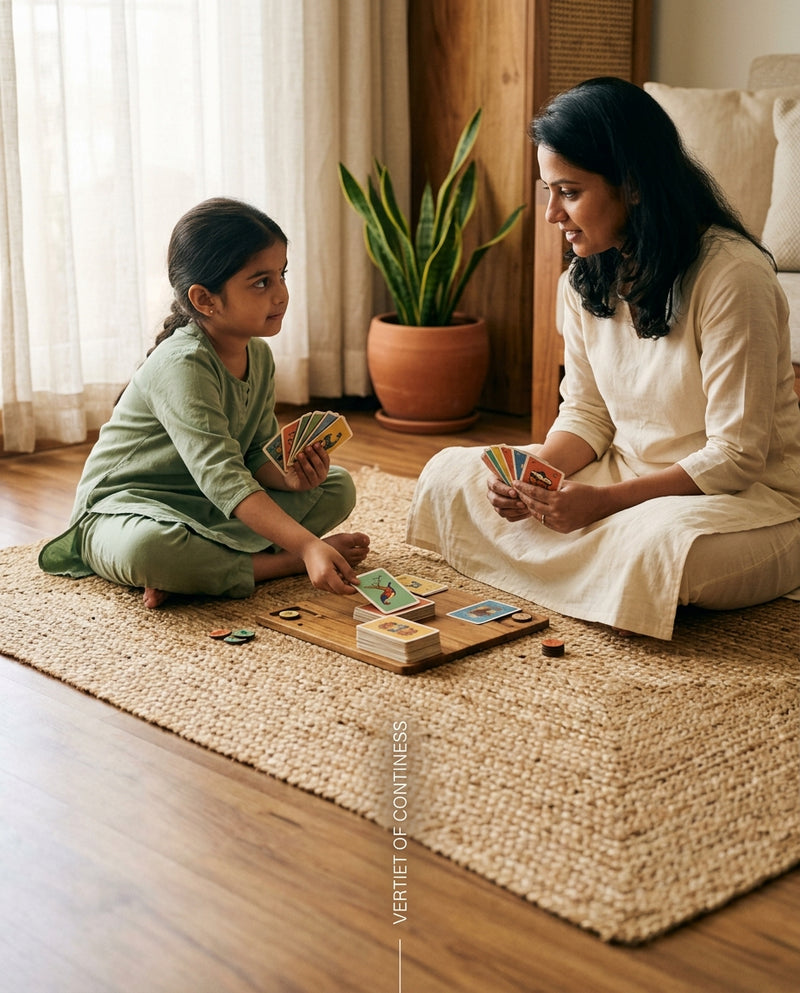
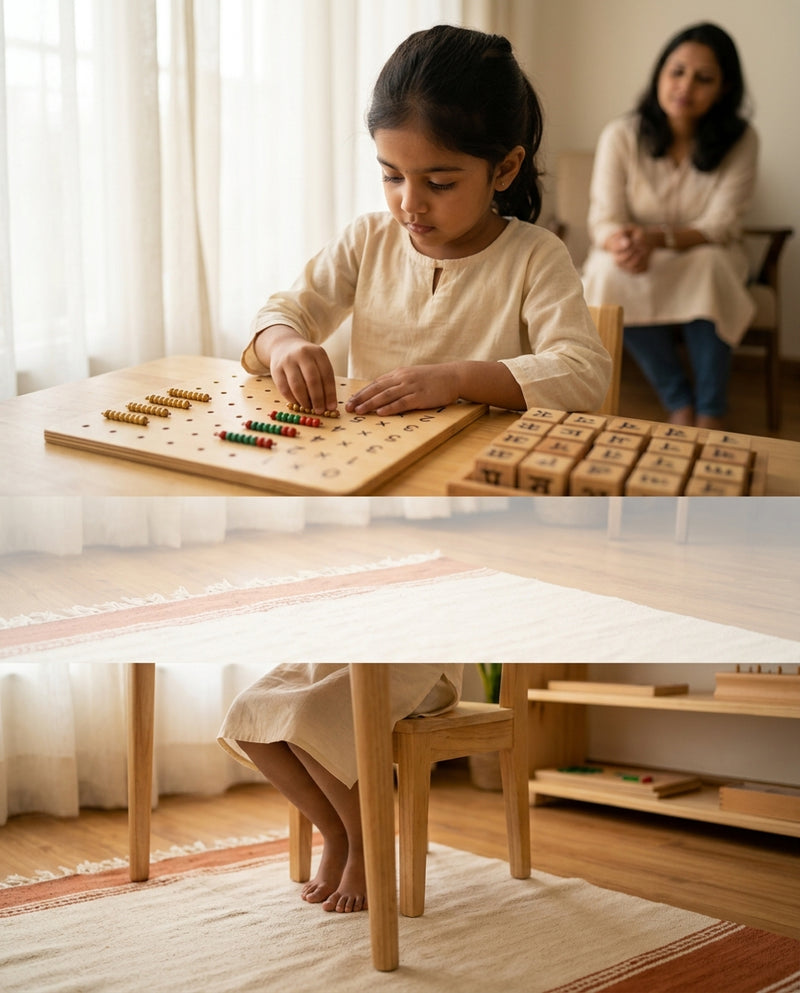
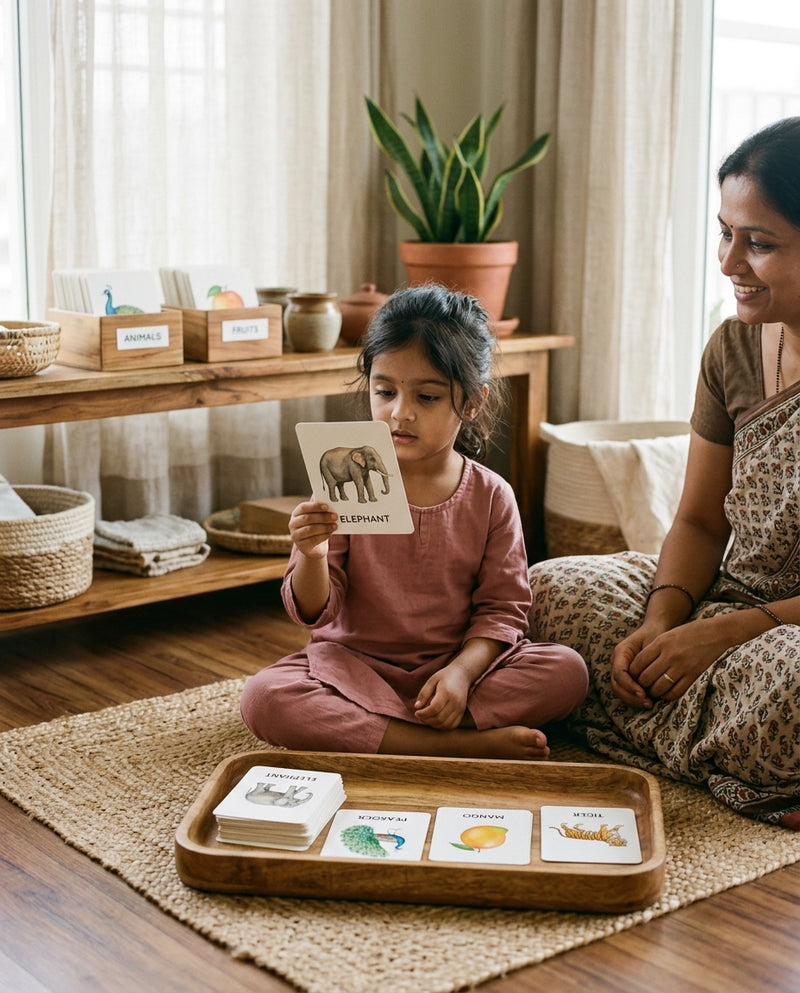
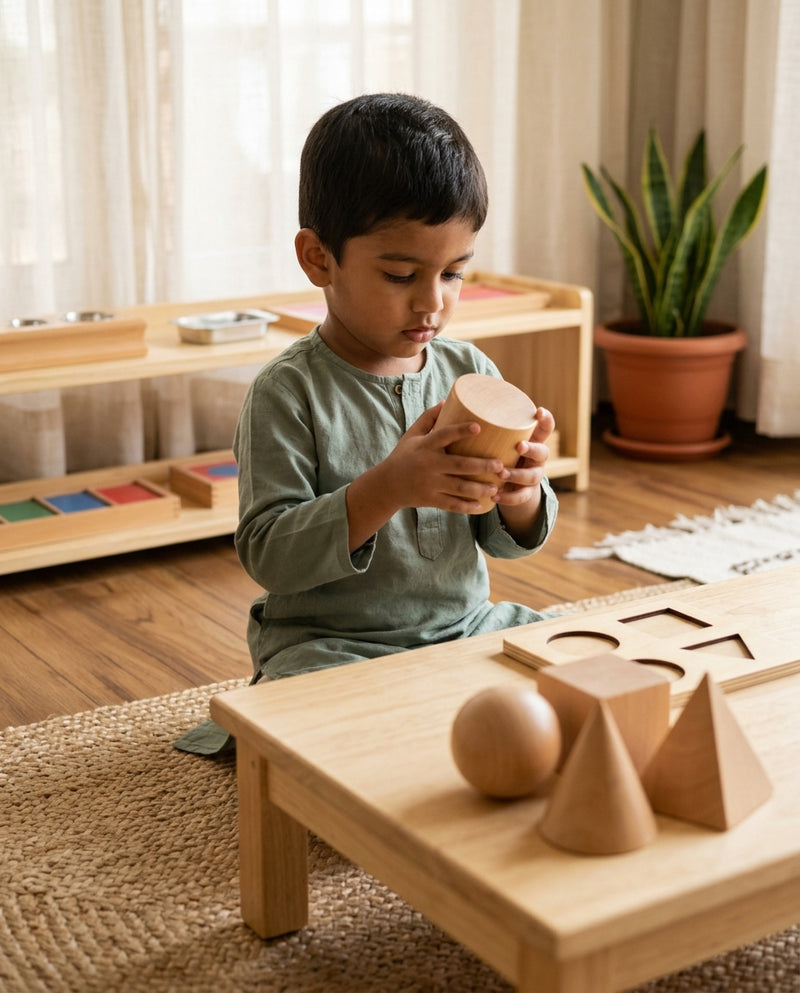
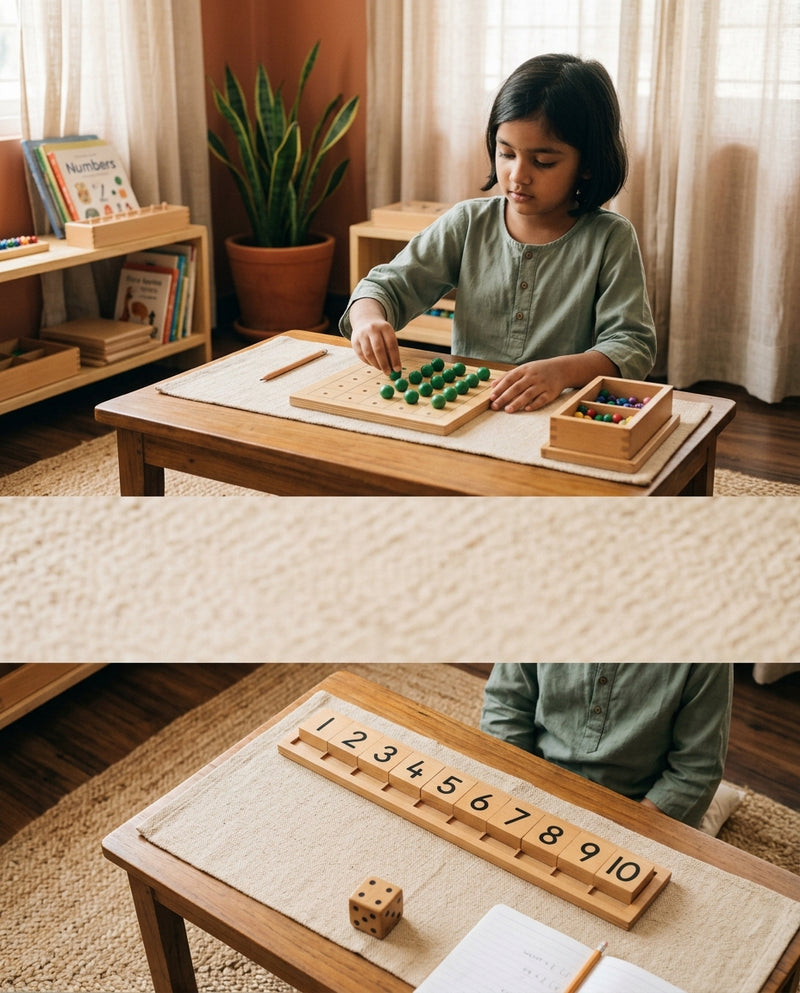
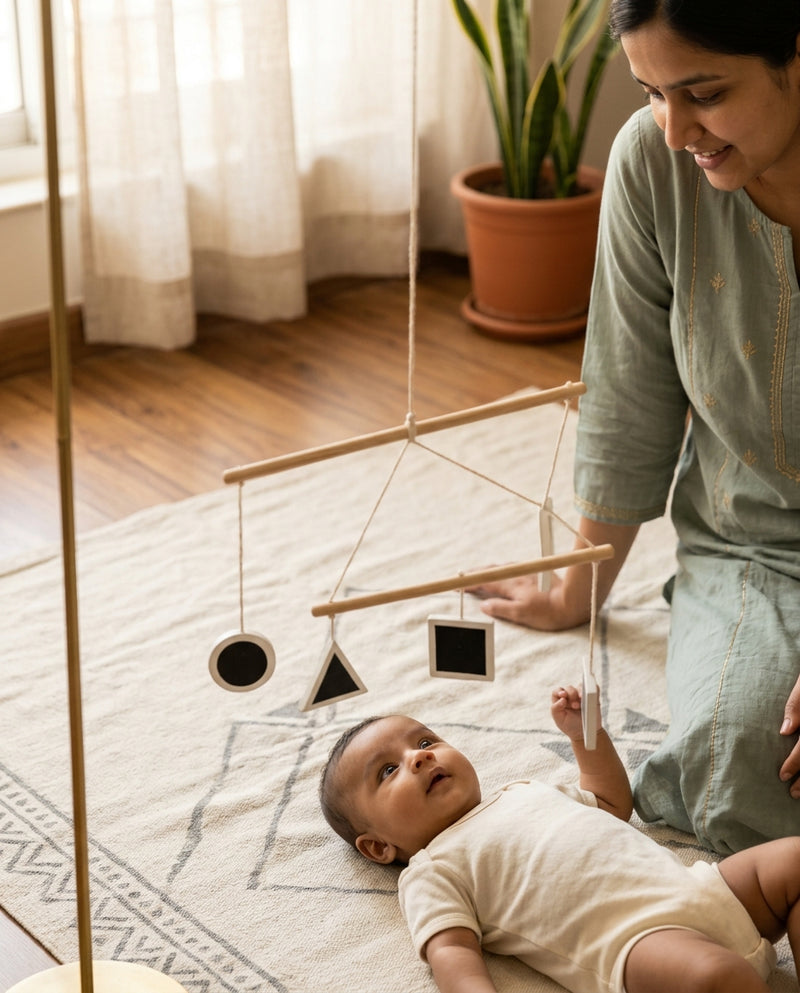
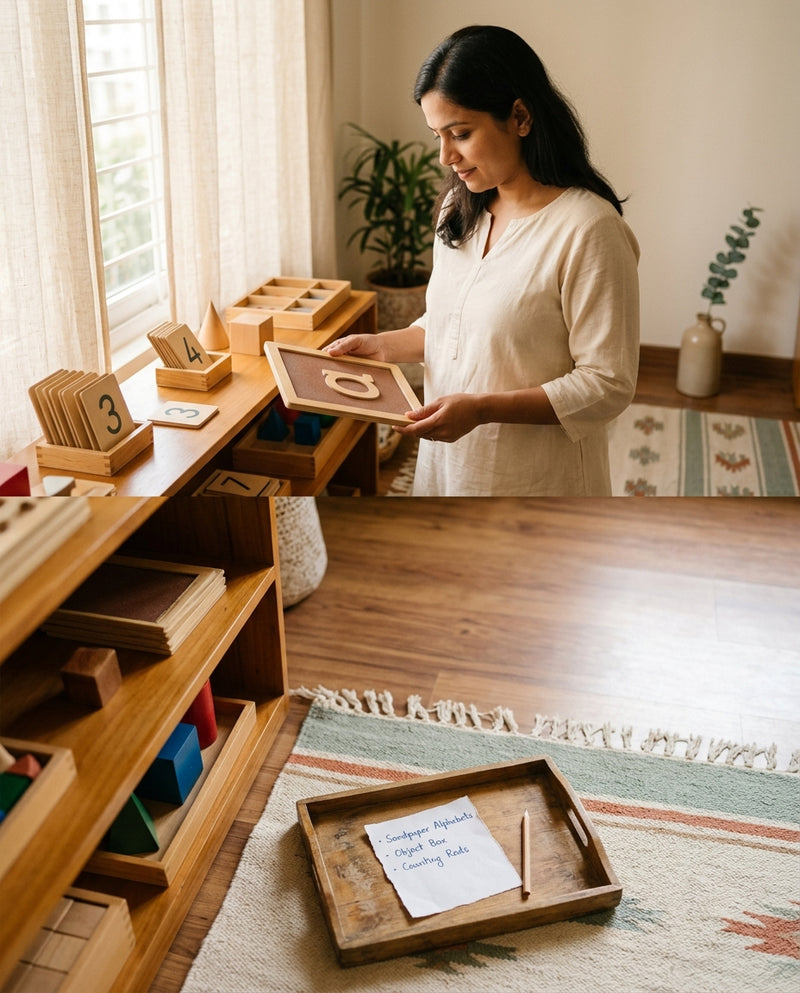
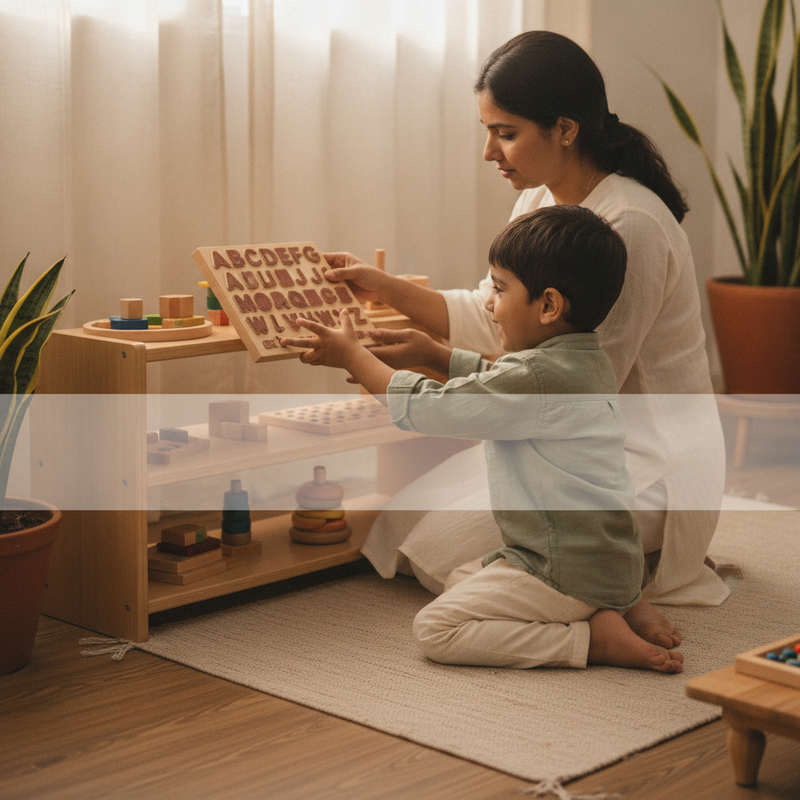
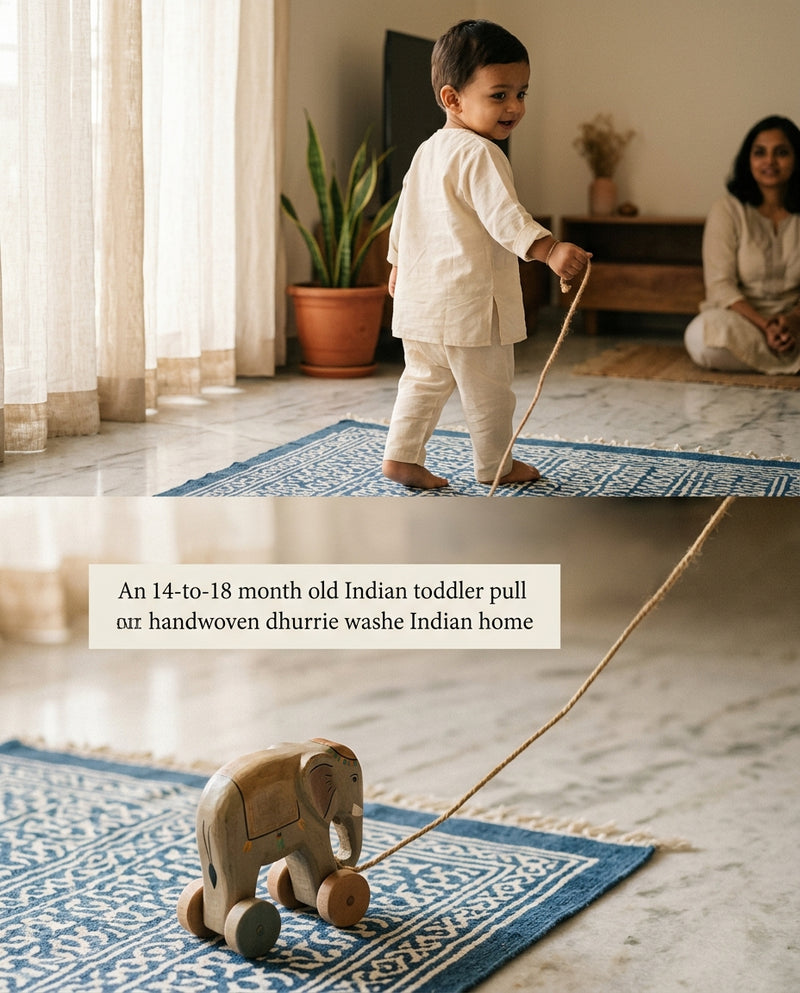
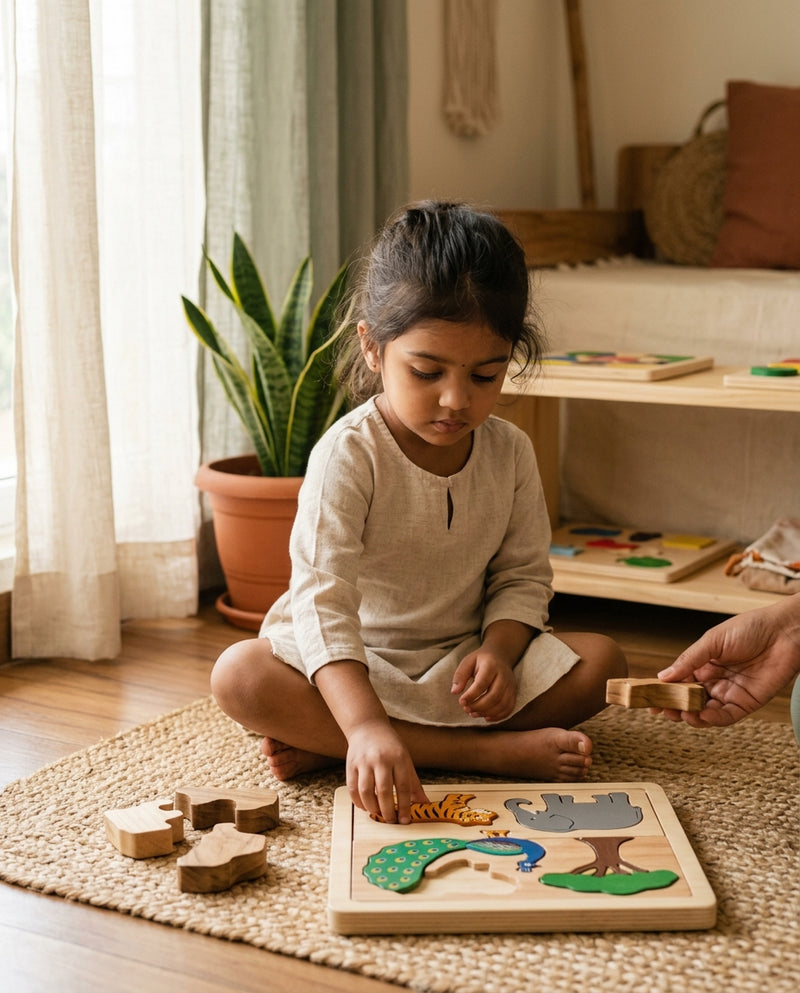
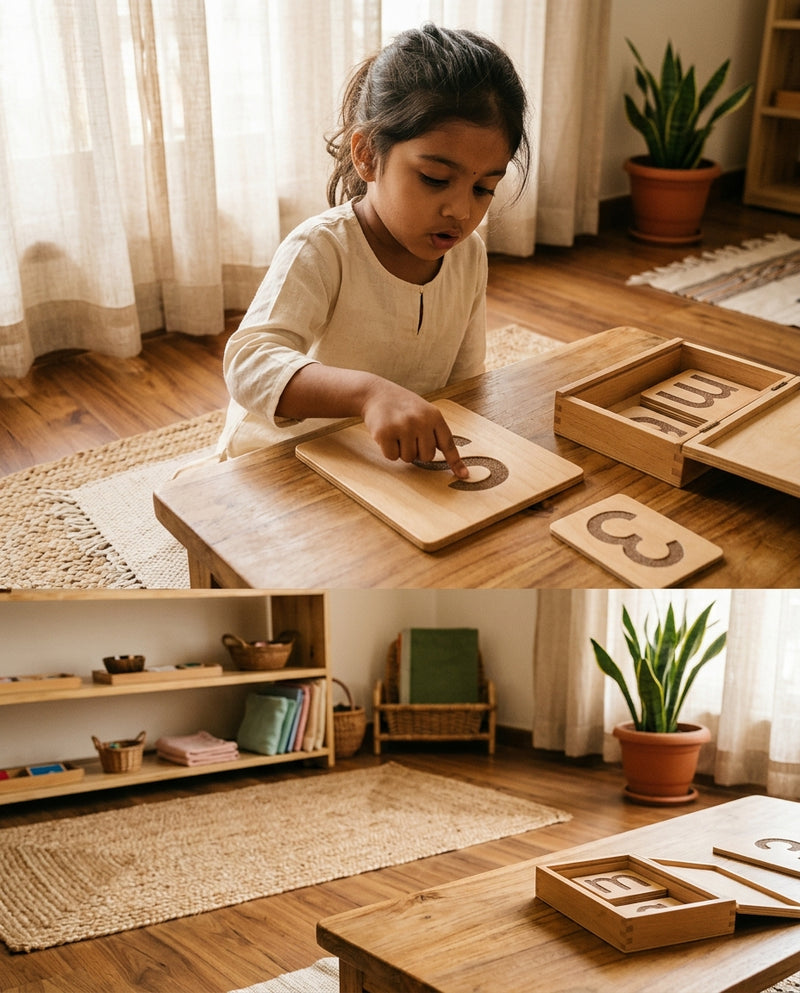
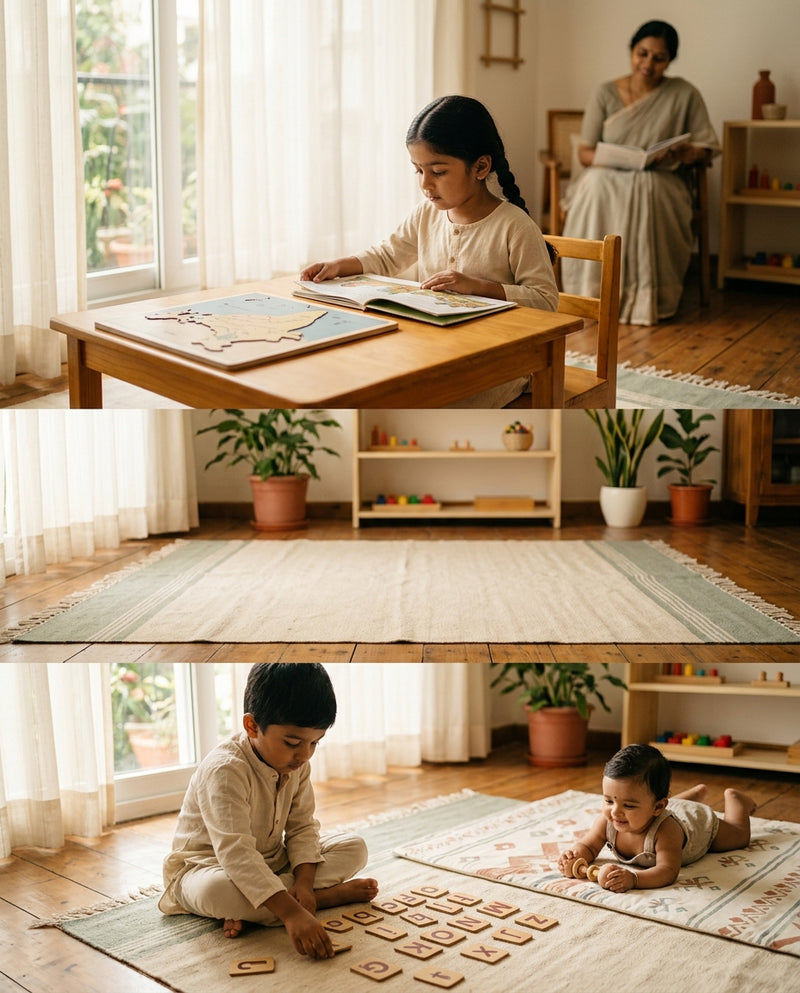
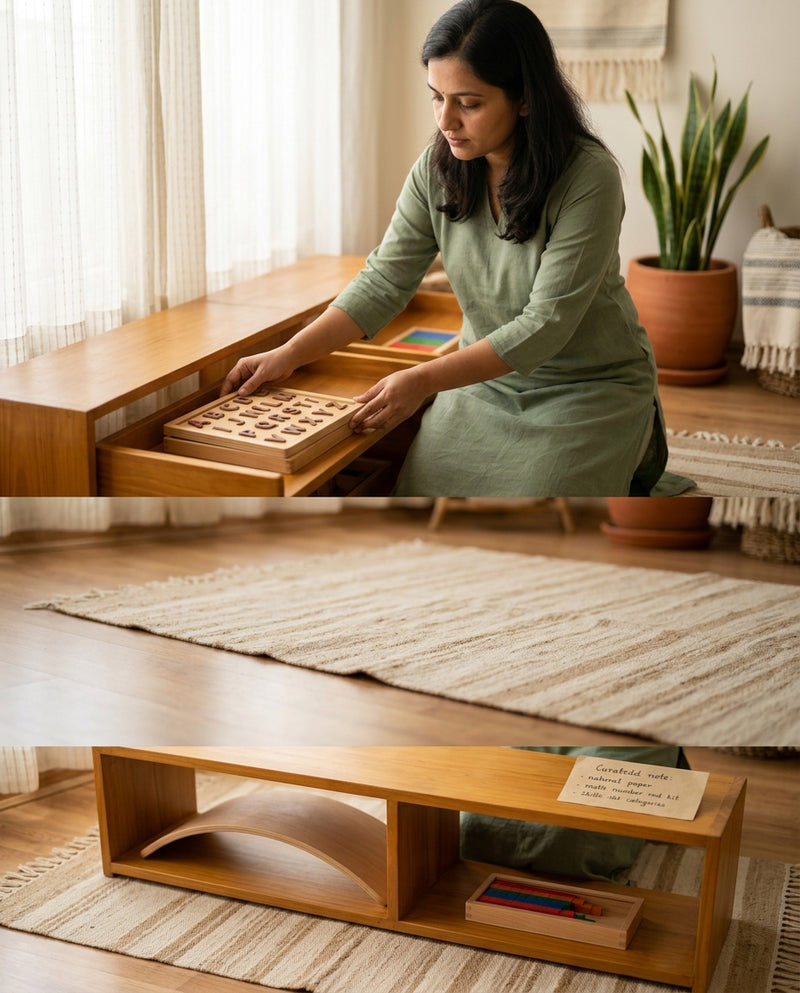
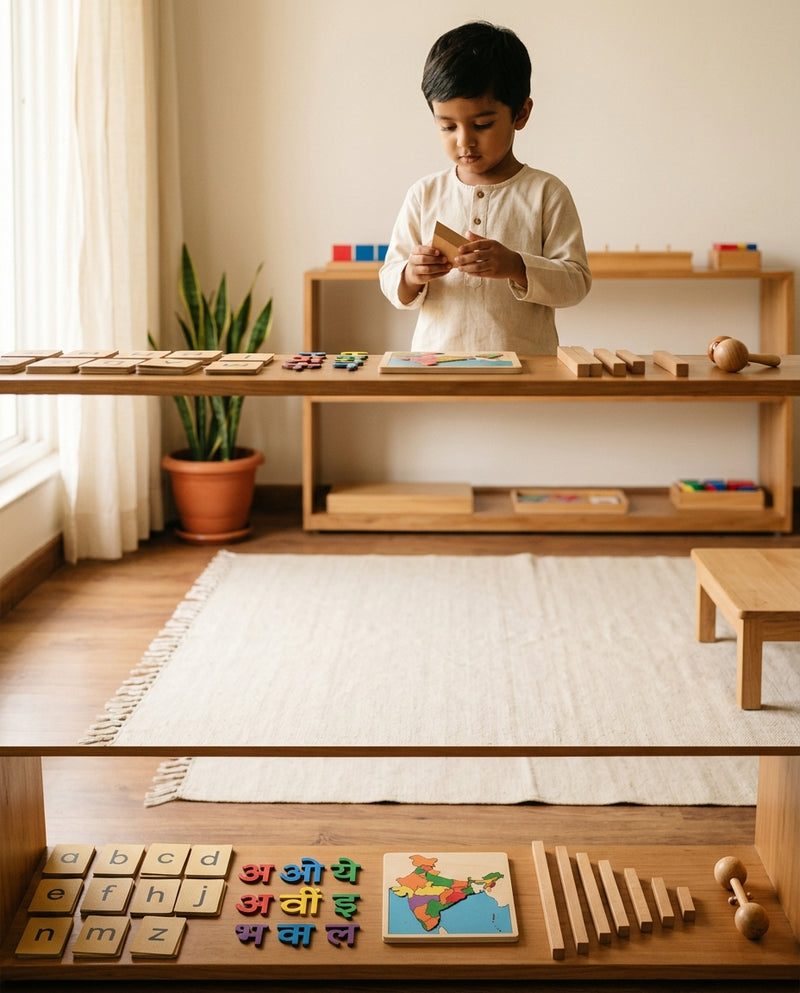
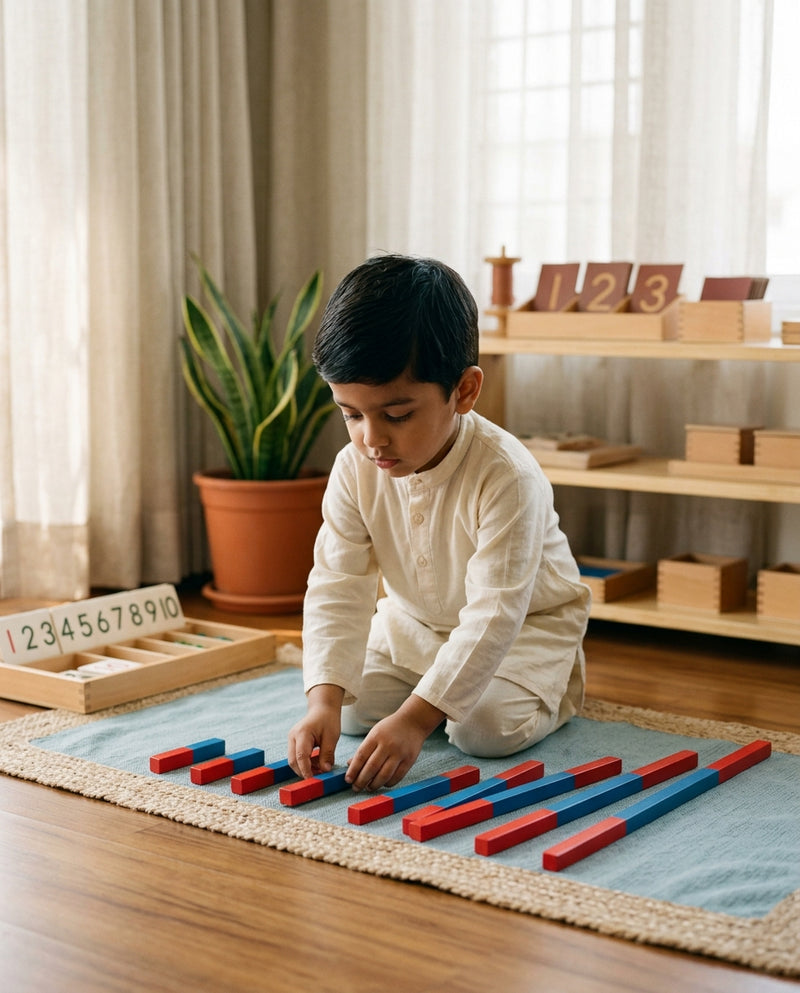
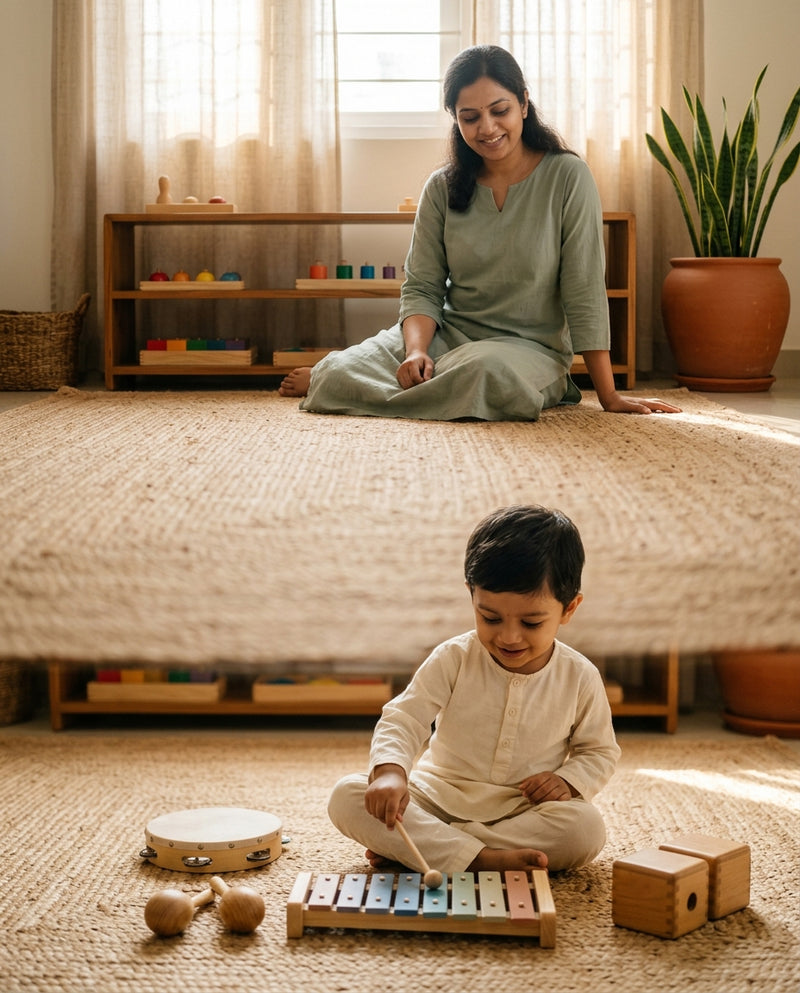
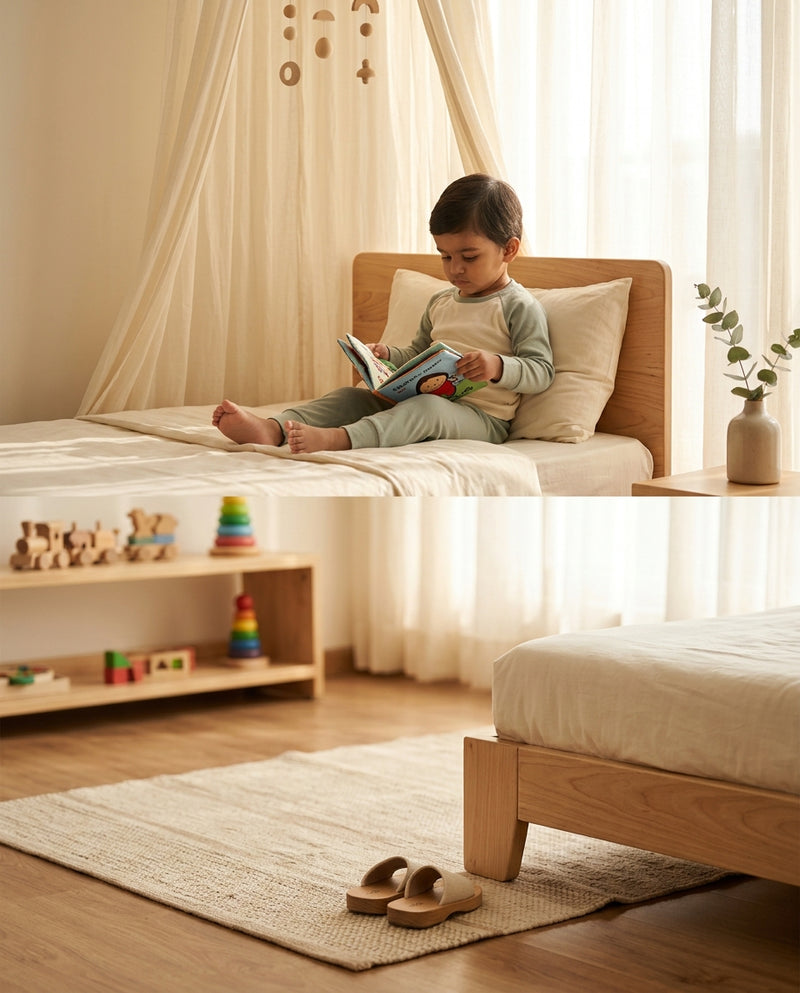
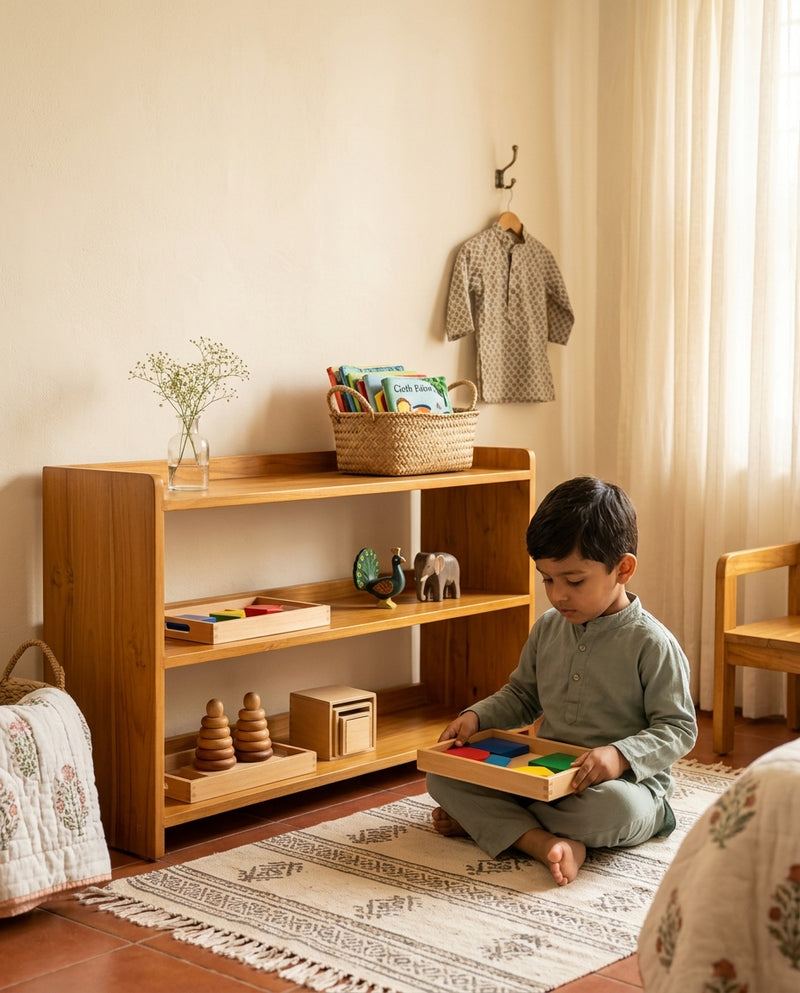
Build the prepared environment one piece at a time rather than all at once. Start with a low floor book shelf around eight to twelve months, when the baby is just sitting and reaching, and watch them gravitate to their own books each day. Add a step stool or a learning tower around eighteen months for kitchen and bathroom independence. From two years, add a child-sized table and chair set for sit-down work like puzzles, drawing, and snack time. Introduce a Pikler triangle or balance board for climbing work whenever the home has the floor space and the child is reliably standing. Larger anchor pieces like a doll house, four-fun station, or Montessori shelf come into play from three years onward. Measure your play corner before ordering, allow thirty to ninety minutes for assembly with a basic screwdriver, and place the larger pieces on a soft mat or rug for both safety and aesthetics. A well-made wooden piece typically lasts four to six years per child and often serves a younger sibling after that. The furniture is the long investment. The independence it creates is the dividend.
Skills this shelf builds
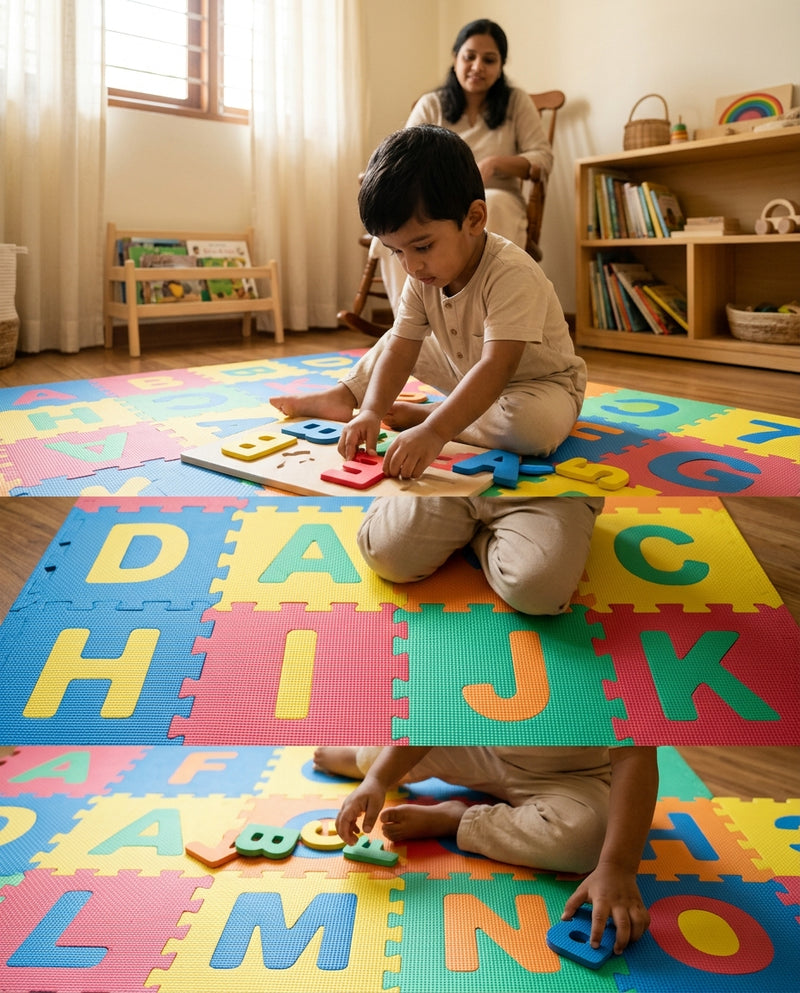
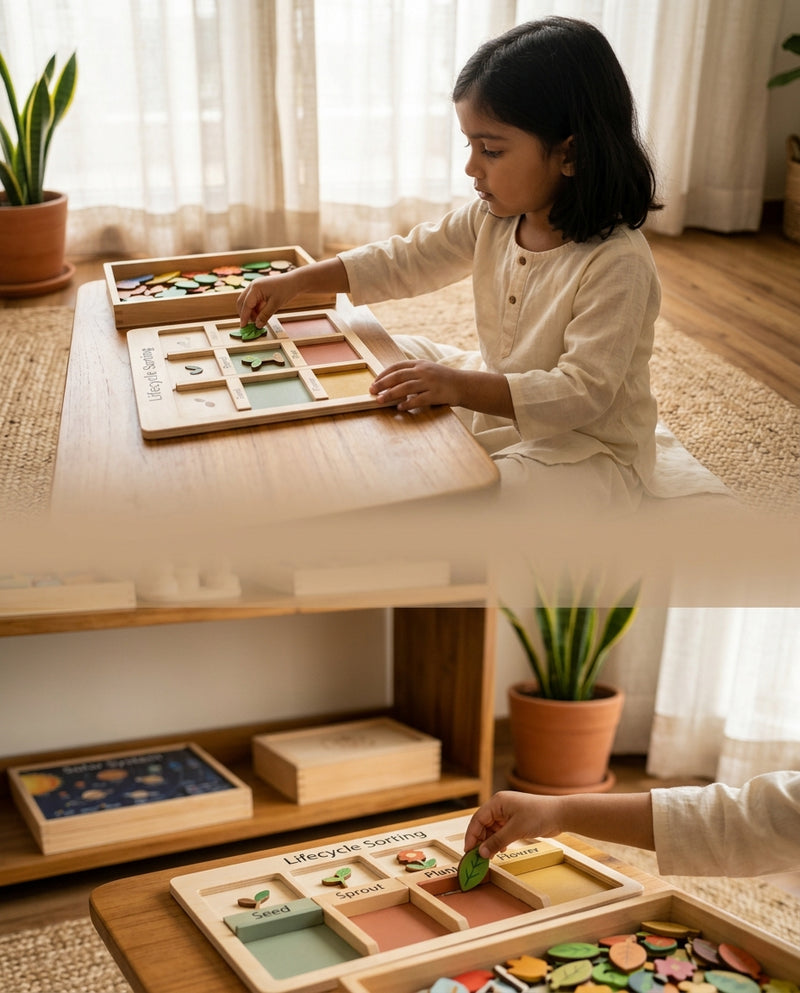
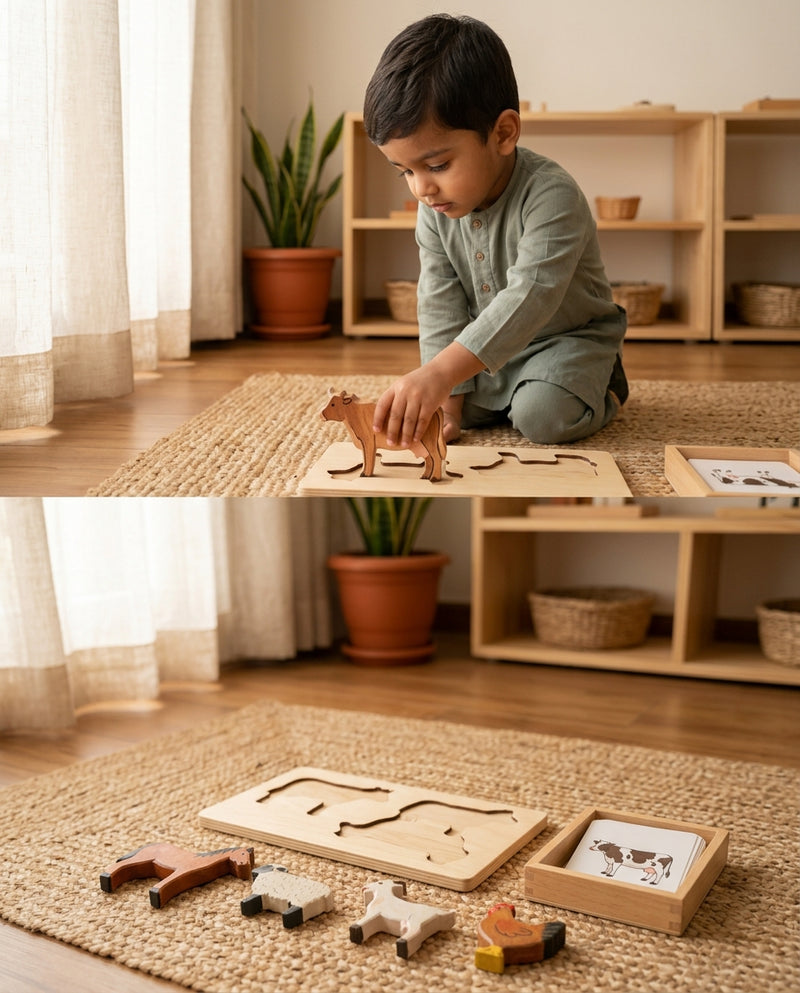
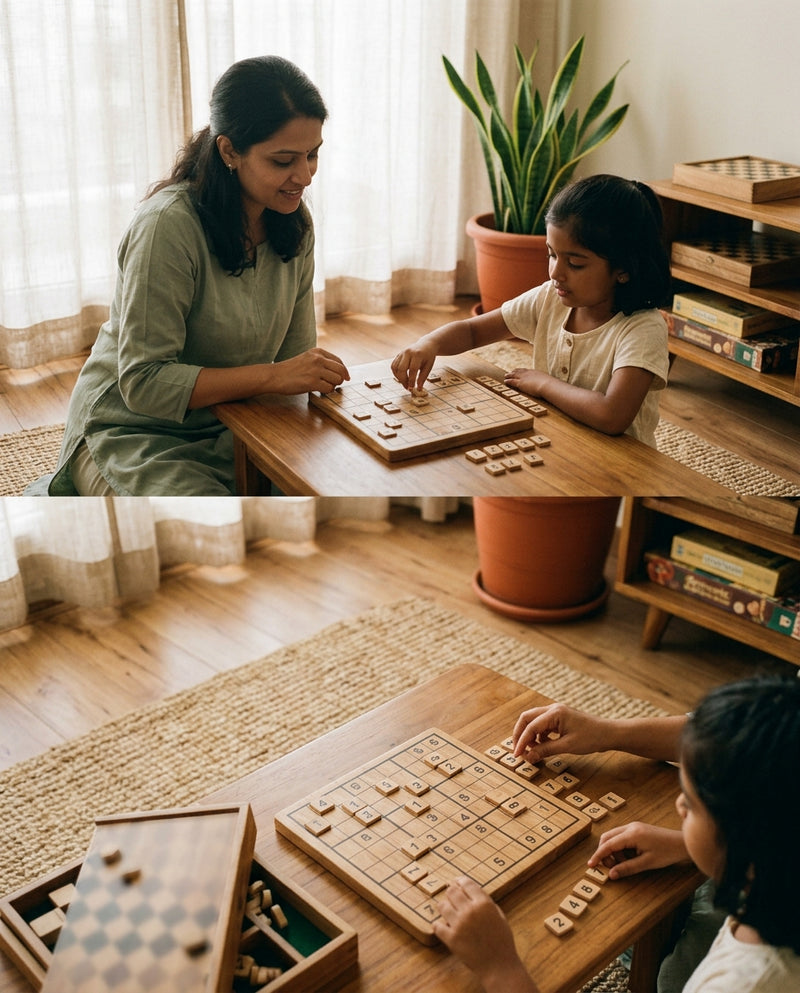
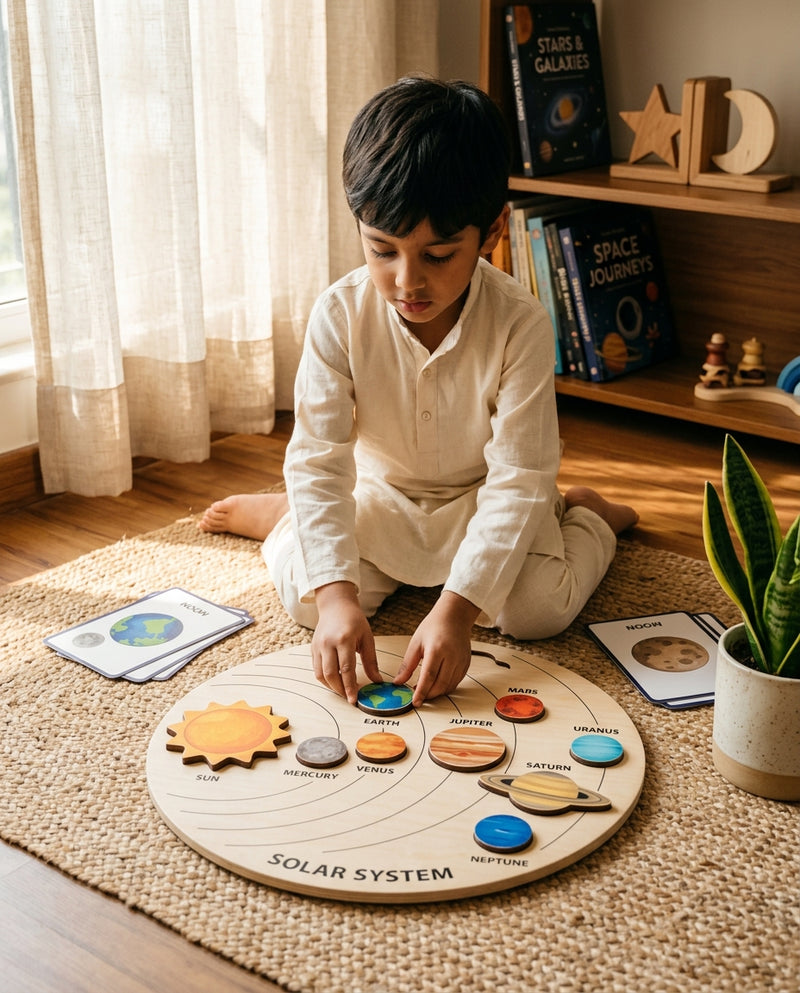
Learning furniture builds skills indirectly, by changing what a child is allowed to do in their own home. A low shelf at child height builds autonomy, choice-making, and self-directed routines. A learning tower at the kitchen counter builds practical life skills, attention, and shared family rituals. A Pikler triangle or balance board builds core strength, vestibular awareness, and physical risk judgement. A child-sized table and chair build posture, concentration, and the sit-down work habits that school will later demand. A doll house or four-fun station builds narrative play, social rehearsal, and self-directed pretend. The furniture is not the lesson. The independence the furniture allows is the lesson, and that is what compounds across the years.