Hindi Alphabets: When is Your Baby Ready? (0-12 Months)
Babies aged 0-12 months are not developmentally ready to learn specific hindi alphabets in a formal sense, but this crucial period lays the foundational neurological pathways for language acquisition. Research indicates that early exposure to language sounds, rhythms, and vocabulary profoundly influences a child's linguistic capabilities. For Indian parents, understanding this developmental timeline alleviates anxiety and promotes effective, age-appropriate stimulation.
As new parents in India, surrounded by the wisdom of grandparents and the joyous chaos of joint families, the pressure to ensure our little ones are on track can feel immense. We often wonder, "Is my baby meeting their milestones?" and specifically, "When should I introduce Hindi alphabets?" This guide explores the fascinating journey of infant language development through a Montessori lens, focusing on readiness, not pressure.
Understanding Infant Language Development (0-12 Months)
Infant language development is the process by which babies acquire the ability to understand and express language, beginning from birth. This matters because the first year of life is a critical window for brain development, forming the neural connections essential for future speech and literacy. Indian parents can best support this by creating a rich, responsive language environment that celebrates both their native tongue and the broader world.
Child development experts agree that language acquisition is a complex, multi-stage process. From birth, babies are attuned to human voices, preferring them over other sounds. Within the first year, they progress from reflexive cries to cooing, babbling, and eventually uttering their first meaningful words. This period is less about formal learning and more about absorbing the linguistic world around them.
Key Milestones for Baby Language Development (0-12 Months)
Observing your baby's progress through these milestones offers valuable insights into their readiness for language. While every child develops uniquely, these markers provide a general guide, reassuring parents that their little one is building essential cognitive foundations. According to UNICEF's focus on Early Childhood Nutrition, optimal brain development, supported by good nutrition, is fundamental for achieving these crucial milestones.
- 0-3 Months: Cooing and Crying. Your baby communicates through various cries, signaling hunger, discomfort, or tiredness. They also start making soft cooing sounds, often in response to your voice.
- 4-6 Months: Babbling and Sound Exploration. Babies begin to babble, repeating sounds like "ba-ba" or "ma-ma." They experiment with different vocalizations and respond to changes in your tone of voice. This is a crucial phase for developing the musculature and coordination needed for speech.
- 7-9 Months: Understanding & Imitation. Your baby starts to understand simple words like their name or "no." They may wave "bye-bye" or clap their hands. They also try to imitate sounds and gestures, a vital step for future language learning.
- 10-12 Months: First Words & Comprehension. Many babies utter their first meaningful words, often "mama" or "papa." They follow simple instructions and can point to familiar objects when asked. Their comprehension far outstrips their expressive language at this stage.
It's important to remember that these are general guidelines. Just as a 50,000-year-old Neanderthal baby fossil revealed unexpected growth patterns, reminding us of the unique developmental journey of every individual, so too does each modern baby have their own pace.
Montessori Play: Laying Foundations for Early Literacy in India
Maria Montessori's philosophy emphasizes a prepared environment that naturally encourages a child's inherent drive to learn. For infants, this means providing rich sensory experiences and a language-rich atmosphere, which are the true precursors to formal `hindi alphabets` learning. Direct instruction of letters is not the focus at this stage.
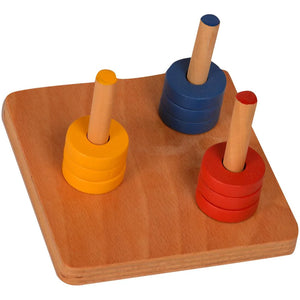
Instead, focus on activities that stimulate auditory processing, fine motor skills, and sensory exploration. These activities don't teach letters directly but build the neurological pathways necessary for later literacy. For instance, offering safe, graspable objects encourages fine motor control, which is essential for holding pencils and tracing later on. Explore our collection of Montessori language materials designed to support these early developmental stages.
When to Introduce Alphabets: A Montessori Perspective for Babies
Introducing alphabets formally is typically recommended for toddlers, generally around 18-24 months and beyond, when they show a "sensitive period" for language and symbols. For the 0-12 month age group, the goal is immersion. Speak to your baby constantly in Hindi, describing your actions, naming objects, and singing traditional Indian lullabies. This auditory input forms the basis for phonological awareness, a critical pre-literacy skill.
Montessori education introduces concrete, tactile materials like sandpaper letters much later, when a child is ready to associate sounds with their written symbols. For infants, focus on developing their gross and fine motor skills and sensory integration. These foundational skills are critical for future academic success, including mastering `hindi alphabets`.
Practical Tips for Indian Parents: Encouraging Early Language
Creating a stimulating linguistic environment in an Indian household is often effortless, thanks to our vibrant culture and joint family systems. Grandparents, with their treasure trove of stories and bhajans, play an invaluable role in this. Here’s how to harness this natural advantage:
- Talk, Talk, Talk: Narrate your day to your baby in Hindi. "Maa kitchen mein roti bana rahi hain," or "Baba tumhare saath park jaayenge." The more they hear, the more they absorb.
- Sing Hindi Rhymes & Songs: "Chanda Mama Dur Ke" or "Machhli Jal Ki Rani Hai" are more than just entertainment; they teach rhythm, vocabulary, and cultural context.
- Read Aloud: Even if your baby doesn't understand the words, the sound of your voice and the sight of colourful picture books are beneficial. Point to pictures and name them in Hindi.
- Respond to Babbling: When your baby babbles, respond as if they're having a conversation. This teaches them the back-and-forth nature of communication.
- Engage with Family: Encourage family members, especially grandparents, to interact with the baby in Hindi. The diverse voices and accents further enrich their auditory experience.
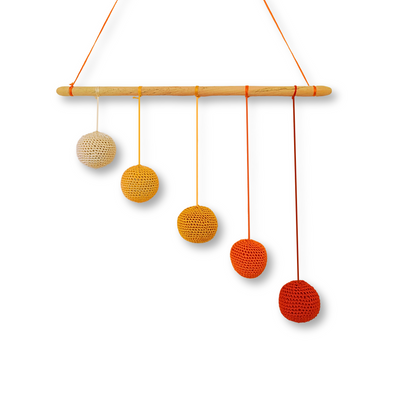
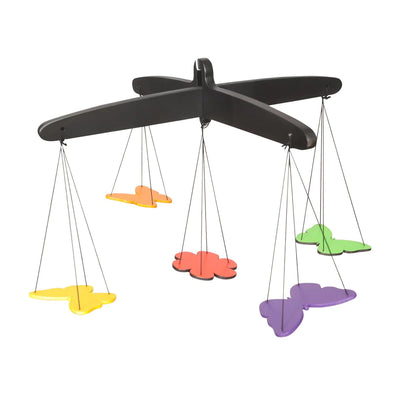
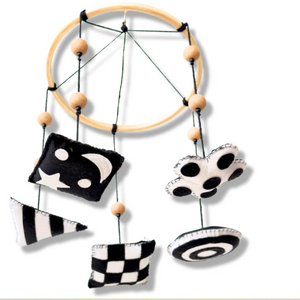
- Provide Sensory Rich Toys: Toys that crinkle, rattle, or have varied textures encourage exploration and develop senses crucial for overall cognitive development. Look for infant development toys that stimulate touch, sight, and hearing.
Remember, the goal for babies aged 0-12 months is not to push for academic achievement, but to nurture a love for language and learning. Trust your baby's natural curiosity and developmental pace. Your presence, your voice, and a loving, stimulating home environment are the most powerful tools you possess.
- Babies aged 0-12 months are not ready for formal Hindi alphabet learning.
- The first year is critical for foundational language development and brain wiring.
- Montessori approach for infants focuses on sensory exploration and a rich language environment.
- Exposure to Hindi sounds, rhymes, and conversations is more beneficial than direct alphabet instruction at this age.
- Key infant milestones include cooing, babbling, responding to sounds, and eventually uttering first words.
- Parents in India can leverage family interaction and cultural practices to naturally foster Hindi language acquisition.
When can babies start recognizing Hindi alphabets?
Babies under 12 months do not typically 'recognize' specific alphabets. Their development focuses on sound recognition, vocalization, and understanding language rhythm. Formal alphabet recognition usually begins around 3-5 years of age.
What are the early signs of language development in Indian babies?
Early signs include cooing, babbling in varied sounds, responding to their name, understanding simple words like 'maa' or 'paani', and imitating sounds. These foundational skills are crucial precursors to formal language learning.
How can I encourage Hindi language development naturally?
Engage in daily conversations, sing Hindi lullabies and rhymes, read aloud from picture books, and describe your actions in Hindi. Creating a rich, immersive language environment at home is highly effective.
Are Montessori materials suitable for infant language development?
Yes, Montessori principles for infants focus on sensorial exploration and a language-rich environment. While not directly alphabet-focused, materials that encourage fine motor skills and sensory input support overall brain development vital for future language acquisition.
Should I worry if my baby isn't babbling by 9 months?
If your baby isn't babbling or making a variety of sounds by 9-10 months, it is advisable to consult your pediatrician. While every child develops at their own pace, early intervention can be beneficial for any developmental concerns.