Telugu Letters with Pictures: Early Immersion for Babies 0-12 Months
When parents search for "telugu letters with pictures" for their babies, it reflects a deep desire for early cultural and linguistic connection. For infants aged 0-12 months, this isn't about formal letter recognition, but about providing a rich, sensory-driven immersion into the beautiful sounds and unique shapes of the Telugu language. This early exposure lays crucial foundations for future language development and cultural identity.
Early language and cultural immersion for infants is about creating an environment where a baby naturally absorbs the sounds, rhythms, and visual cues of their native language. This matters immensely because a baby's brain is a 'super-learner' in the first year, forming billions of neural connections that shape their future learning. Indian parents can begin this journey by mindfully integrating Telugu into daily interactions and their home environment.
Fostering Early Language Development (0-12 Months) the Montessori Way
The Montessori philosophy champions the idea that children absorb their environment, especially during the absorbent mind period (0-6 years). For babies 0-12 months, this means creating a prepared environment rich in sensory experiences that naturally invite language acquisition. It's not about flashcards or rote learning, but about gentle, consistent exposure.
Research shows that infants begin processing language sounds even in the womb, and their brains are primed to distinguish phonetic differences across all languages. UNICEF highlights the critical importance of early childhood development, including language, for a child's overall well-being and cognitive growth. Providing a 'language bath' in Telugu, even if you speak other languages, is incredibly beneficial.
Introducing Telugu Sounds: The Power of Auditory Immersion
Long before a baby says their first word, they are listening and absorbing. The sounds of Telugu — its vowels, consonants, and intonations — are unique. Engaging your baby in conversation, singing lullabies (jo laali), and reading simple Telugu stories are powerful ways to introduce these sounds.
Think of the traditional Indian home, where grandparents often chatter away in their mother tongue, telling stories and singing songs. This natural, consistent auditory input is invaluable. Studies indicate that consistent exposure to a language's phonemes strengthens the neural pathways for those specific sounds, making it easier for the child to speak and understand that language later on.
Exploring Telugu Shapes: Visual Stimulation for Infants
While formal letter recognition comes much later (typically 3-4 years for script, as Maria Montessori observed with her sandpaper letters), babies 0-12 months are fascinated by high-contrast shapes and patterns. The elegant curves and distinct forms of Telugu letters can be introduced as visual stimulation, similar to how they explore other shapes.
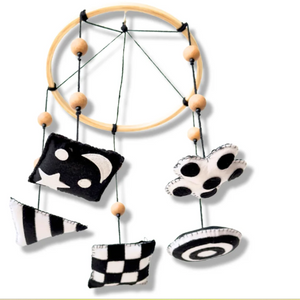
Consider creating or finding high-contrast black and white cards featuring large, clear Telugu letters or simple geometric shapes. Place these around their play area or during tummy time. This isn't teaching them to read, but rather familiarising their eyes with the visual complexity and artistry of their native script. These visual cues enhance their developing visual processing skills.
Montessori Language Activities for Babies (0-12 Months)
Integrating Telugu into your baby's day can be seamless and joyful. Here are some Montessori-aligned ideas:
- Speak, Sing, Narrate in Telugu: Talk to your baby about everything you're doing – "Let's change your langa (diaper)", "Are you hungry for annam (rice)?" Sing traditional Telugu rhymes. The World Health Organization (WHO) emphasizes responsive caregiving, and talking to your baby is a cornerstone of this.
- Sensory Play Telugu Cards: Create or use high-contrast cards with single Telugu letters or simple, familiar objects labelled in Telugu. Show them to your baby, clearly enunciating the sound. Let them grasp and explore safe, soft versions of these.
- Telugu Story Time: Even if your baby doesn't understand the words, the rhythm of your voice and the bonding experience are profound. Point to pictures in simple books and name them in Telugu.
- Object Labelling: As your baby explores their environment, point to objects and name them in Telugu. "This is balla (table)," "Here is gadiyaram (clock)." Repeat often.
- Cultural Soundscapes: Play traditional Telugu music, devotional songs, or even audiobooks in Telugu at a gentle volume in the background. This creates an immersive auditory environment without direct instruction.
Cultural Immersion for Infants India: Beyond Language
Cultural immersion goes beyond just language; it encompasses the rich tapestry of Indian life. For infants, this means experiencing festivals, family gatherings, and everyday traditions.
Allow your baby to be part of the family conversations (in Telugu, wherever possible!), feel the textures of traditional fabrics, hear the melodies of regional music, and experience the sights and smells of a bustling Indian home. Aarya, a 6-month-old in a Bengaluru joint family, is constantly exposed to conversations in Telugu from her grandparents, the aroma of festive foods, and the vibrant colours of traditional clothing during celebrations like Ugadi. This holistic exposure creates a strong cultural anchor.
Early exposure to your regional language and culture is one of the most precious gifts you can give your child. It's not about pressure or formal learning, but about nurturing their inherent curiosity and building a strong foundation for their identity. Trust in your baby's incredible capacity to absorb, and enjoy the beautiful journey of introducing them to the world, one Telugu sound and shape at a time.