Homeschooling Curriculum India: Montessori Mindset for Babies
When Indian parents search for a "homeschooling curriculum india" for their tiny tots, especially those aged 0-12 months, the initial thought often leans towards formal lessons or structured academic activities. However, for infants, true "homeschooling" in the Montessori philosophy isn't about teaching facts but about cultivating a deep understanding of your baby's innate developmental drives and responding to them with intention. This approach shifts the focus from a rigid curriculum to fostering a supportive, stimulating home environment where your child can flourish naturally.
This mindset provides a reassuring framework for anxious new parents, helping them navigate the first year with confidence. It's about empowering your child to be an active participant in their own learning journey from day one, laying crucial foundations for their future, as highlighted by organizations like UNICEF in their advocacy for early investment in children in Karnataka.
What is the Montessori Mindset for Infant Homeschooling?
The Montessori mindset for infants (0-12 months) is a philosophy centered on respecting the child as an individual, capable of self-directed learning. This approach involves preparing an environment that is safe, accessible, and rich with opportunities for exploration, allowing the baby to follow their inner guide. This matters because it cultivates independence, concentration, and a lifelong love of learning, which are vital for a child's holistic development. Indian parents can begin by observing their baby closely and making small, thoughtful adjustments to their home.
Child development experts agree that the first year is a period of intense brain development, where foundational neural pathways are formed. Maria Montessori famously called the infant's mind an "absorbent mind," capable of effortlessly soaking up information from their environment. Our role as parents, then, is not to fill this mind but to nourish it with meaningful experiences.
The Parent's Role: Observation, Preparation, and Trust
Unlike traditional schooling models where the adult is the primary instructor, the Montessori infant philosophy places the parent in a role of facilitator and observer. You are creating the conditions for learning, rather than dictating the lessons. This subtle shift in perspective can alleviate much of the pressure new parents feel to "teach" their baby constantly.
For parents in India, often surrounded by well-meaning advice and cultural expectations, this can be a liberating concept. Imagine a grandparent's gentle oil massage – it's not a lesson, but a rich sensory experience that fosters bonding and body awareness. Similarly, a Montessori mindset integrates seamlessly into daily life, valuing purposeful, everyday interactions.
Cultivating Early Learning at Home India: Beyond Formal Lessons
When considering an early learning at home India plan for infants, think in terms of development rather than academics. This means focusing on gross motor skill development, fine motor coordination, and sensory exploration. These are the "subjects" of infancy, building blocks for all future learning.
- Freedom of Movement: Allow your baby ample floor time on a mat or a low "tummy time" rug. This enables them to practice rolling, crawling, and eventually walking, strengthening their muscles and coordination. Research consistently shows the benefits of unrestricted movement for infant motor development.
- Sensory Engagement: Offer simple, natural materials that engage multiple senses. Think wooden rattles, fabric squares of different textures, or unbreakable mirrors. These aren't just toys; they are tools for exploration. SkilloToys offers a range of Montessori method learning materials and toys designed for this purpose.
- Language Rich Environment: Talk, sing, and read to your baby in your mother tongue and English. Describe what you're doing. Respond to their babbles. Even a baby who cannot speak is absorbing the rhythms and sounds of language, preparing for later communication.
Infant Homeschooling Guide: Practical Steps for Indian Families
Creating a Montessori-inspired home for your baby doesn't require a complete home overhaul. It's about thoughtful choices. Consider these practical steps for an effective infant homeschooling guide:
- The "Yes" Space: Designate a safe, clutter-free area where your baby can explore freely without constant supervision or the need to say "no." This could be a corner of the living room or a part of their bedroom.
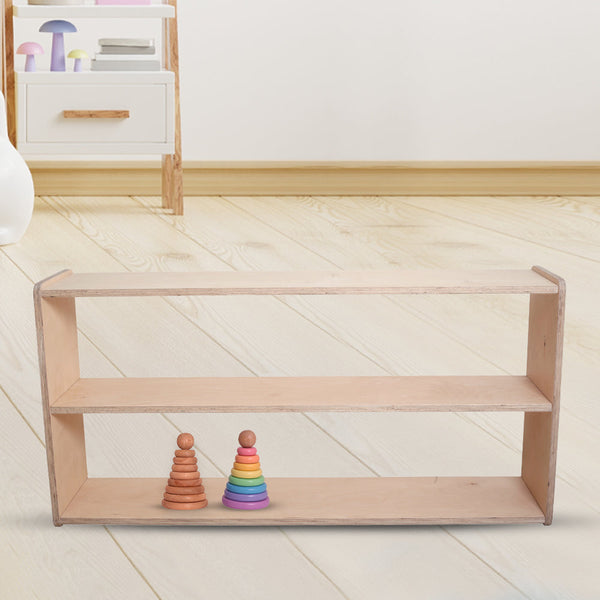
- Low, Accessible Shelves: Instead of toy boxes, use low shelves where a few carefully chosen, age-appropriate materials are displayed. Rotate them periodically to maintain interest. This fosters choice and order.
- Practical Life Activities: Even infants can participate. Let them observe you doing household chores. Offer them child-safe items like a small cloth to "dust" or a plastic bowl and spoon to "mix." These experiences are incredibly enriching.
For example, 8-month-old Aisha in Bengaluru, growing up in a joint family, thrives on observing her grandmother sort lentils. Soon, Aisha will be offered simple sorting activities with larger, safe items, developing her concentration and fine motor skills.
Shifting Your Perspective: The Montessori Mindset for Babies
Ultimately, developing a Montessori mindset for babies is about trust – trusting your baby's innate drive to learn and grow. It's about providing the freedom and environment necessary for this growth, without imposing your own agenda. This philosophy allows for a much more relaxed and joyful parenting experience, reducing the stress associated with feeling like you need to "keep up" with complex academic demands.
Instead of focusing on what your baby should be doing, focus on what they are doing and how you can support it. This approach aligns perfectly with the CDC in India's emphasis on responsive caregiving and early stimulation, recognizing that these early interactions are crucial for a child's future well-being and success. By adopting this philosophy, you're not just providing a "curriculum" but nurturing a fully engaged, independent, and curious human being ready to embrace the world.