Infant & Young Child Feeding: WHO Guidelines for Indian Parents
Optimal infant and young child feeding (IYCF) is a cornerstone of healthy development in the critical first year, with the World Health Organization (WHO) providing comprehensive, research-backed guidelines. These practices are essential for combating malnutrition and supporting robust growth in Indian children, laying the foundation for their future well-being and cognitive abilities. As an authoritative source, SkilloToys encourages Indian parents to integrate these global recommendations with practical, child-centred Montessori principles to nurture independent eaters.
Infant and young child feeding (IYCF) is the process of providing optimal nutrition from birth to two years, covering breastfeeding, complementary foods, and responsive feeding. This matters because it critically influences brain development, immunity, and physical growth. Indian parents can apply these guidelines by establishing consistent, hygienic feeding routines and fostering independence at mealtimes.
WHO Infant Feeding Guidelines India: The Foundation (0-6 Months)
The World Health Organization (WHO) consistently advocates for exclusive breastfeeding for the first six months of a baby's life, a recommendation strongly supported by the Indian Academy of Pediatrics (IAP). This means offering only breast milk, without water, formula, or any other foods, as breast milk provides all the necessary nutrients, antibodies, and hydration your baby needs during this crucial period. For new parents in India, this guidance is a beacon amidst sometimes conflicting advice from well-meaning family members.
Exclusive breastfeeding offers immense benefits, including protection against common childhood illnesses like diarrhoea and pneumonia, and promoting optimal growth and development. Research published by UNICEF highlights that exclusive breastfeeding rates in states like Karnataka are steadily improving, yet continued awareness is vital. This early nutritional foundation is not just about physical health; it also fosters a deep emotional bond between mother and child.
Introducing Complementary Feeding 0-12 Months: A Gradual Journey
At around six months of age, when your baby shows signs of readiness like sitting with support and showing interest in food, it's time to introduce complementary feeding. This marks a significant milestone in your baby's journey, transitioning from an exclusive liquid diet to exploring a variety of textures and tastes. The goal is to provide nutrient-rich, diverse foods that complement breast milk, not replace it.
Child development experts agree that a gradual introduction of purees, mashed foods, and eventually soft finger foods helps babies adapt to new sensations and develop oral motor skills. In Indian homes, this often means starting with homemade, easily digestible options like ragi porridge, dal khichdi, or mashed seasonal fruits like banana and papaya. Remember to introduce one new food at a time, waiting a few days to observe for any allergic reactions.
Safe and Hygienic Practices
Maintaining impeccable hygiene during food preparation and feeding is paramount to prevent infections, especially in young infants. The WHO and UNICEF emphasize thorough handwashing for caregivers and babies, using clean utensils and dishes, and properly storing food. This attention to detail protects your little one from common gastrointestinal illnesses, allowing their immune system to mature without unnecessary challenges.
Responsive Feeding Baby: Understanding Their Cues
Responsive feeding is a core principle of optimal infant and young child feeding, focusing on recognizing and responding to your baby's hunger and fullness cues. Instead of forcing your baby to finish a certain amount, observe their signals: turning their head away, closing their mouth, or pushing food out indicates they are full. Conversely, opening their mouth, leaning forward, or reaching for food suggests hunger.
This approach respects your baby's innate ability to regulate their food intake, fostering a positive relationship with food from an early age. It helps them trust their own bodies and avoid overeating or developing aversions. While it might be tempting for grandparents or other family members to encourage 'just one more bite' for strength, gently explain that respecting the baby's cues is crucial for their long-term health and emotional well-being.
Montessori Mealtime Baby: Fostering Independence (6-12 Months)
Maria Montessori's philosophy, centred on developing independence and practical life skills, offers a beautiful framework for mealtimes. From six months onwards, you can begin to incorporate Montessori principles by involving your baby in the feeding process as much as developmentally appropriate. This means allowing them to explore food textures, attempting to self-feed with their hands, and eventually using child-sized spoons and forks.
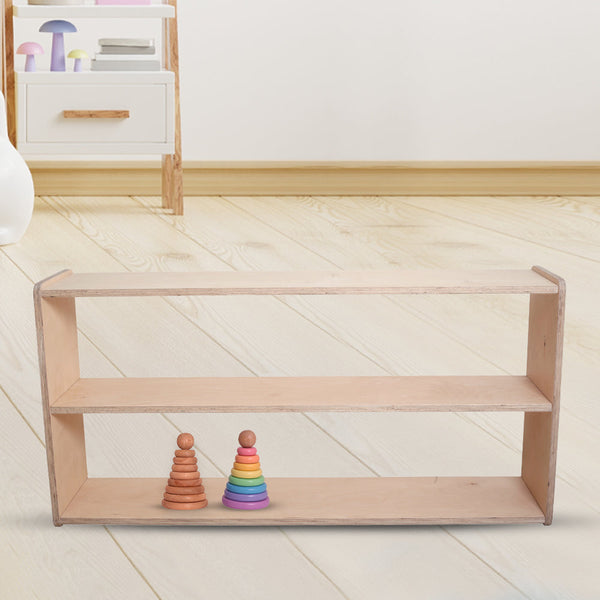
Providing a small, sturdy weaning table and chair allows your baby to sit independently and focus on their meal, much like older children at a family table. This independence builds concentration, fine motor skills, and self-confidence, turning mealtimes into valuable learning experiences. SkilloToys offers a range of Montessori weaning furniture and child-sized utensils at SkilloToys.com/collections/montessori-method-learning-materials-toys that support this crucial stage, enabling your little one to practice practical life skills from an early age.
The non-obvious insight here is that the 'mess' of self-feeding isn't just unavoidable; it's a critical part of their development. When a baby struggles to pick up a piece of idli or scoop dal with a spoon, they are developing hand-eye coordination, pincer grasp, and problem-solving skills. This early autonomy in feeding builds a foundation for self-directed learning and confidence in other areas, making mealtime a holistic developmental activity, not just a nutritional one. Explore our full collection of Montessori educational toys for all developmental stages on our website.
Addressing Common Indian Parental Concerns
New parents in India often face unique challenges, from managing dietary preferences within a joint family to concerns about growth milestones. It's common for babies to have fluctuating appetites, and some days they may eat less than others. Trusting your baby's cues and maintaining a calm, reassuring atmosphere during mealtimes is more important than achieving a specific quantity of food.
If you have concerns about your baby's weight gain or overall health, always consult with your paediatrician. The Indian Academy of Pediatrics regularly updates its guidelines to align with global best practices while considering local dietary habits. Remember, your patience and consistency in offering a variety of healthy, homemade foods will contribute most to your child's long-term health and foster a positive relationship with food.
Embracing WHO infant feeding guidelines with a touch of Montessori wisdom empowers you to navigate your baby's first year of feeding with confidence and joy. By focusing on responsive feeding, hygienic practices, and fostering independence, you're not just nourishing their bodies; you're building a strong foundation for their cognitive, emotional, and practical life skills. Tonight, consider offering your baby a small, soft piece of fruit to hold and explore independently during dinner, observing their natural curiosity and desire to participate.