Montessori Toys: Baby's First Year Developmental Milestones (0-12)
For many new parents in Bengaluru, the journey through their baby's first year is filled with a mix of immense joy and quiet apprehension about hitting crucial developmental milestones. Understanding how Montessori toys developmental milestones align can transform this anxiety into empowered support, ensuring your little one thrives from 0-12 months.
Montessori education, founded by Dr. Maria Montessori, is a child-centred approach that emphasizes self-directed activity, hands-on learning, and collaborative play. At its heart, Montessori believes in respecting the child's natural psychological, physical, and social development. This matters because it provides a framework for parents to create an environment where their baby's innate curiosity leads their learning, rather than being pushed by external pressures. Indian parents can confidently adopt this approach, knowing it aligns with traditional values of self-reliance and respectful guidance.
Supporting Early Sensory Exploration: 0-3 Months
In the initial three months, infants primarily experience the world through their senses. Child development experts agree that providing rich sensory input is paramount for neurological growth. During this period, a baby's vision is developing, gradually allowing them to perceive more contrast and movement. According to the World Health Organization (WHO), nurturing secure attachments and responsive caregiving is key, and simple Montessori activities facilitate this by encouraging focused, calm interaction.
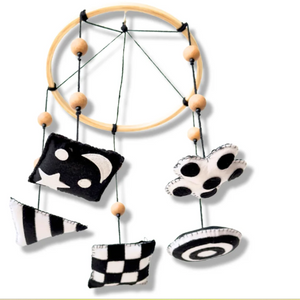
Montessori activities for infants at this stage often include visually stimulating mobiles and gentle rattles. For example, a black-and-white visual mobile, hung above a baby's floor mat, encourages visual tracking and focus. Later, a primary colours mobile helps with colour differentiation. A soft, light rattle, easy for tiny hands to bat or grasp, develops early hand-eye coordination and auditory awareness. This simplicity allows the infant to truly process one sensation at a time, without overstimulation often found in elaborate electronic toys.
Developing Grasping & Movement: 3-6 Months
As babies approach 3-6 months, their movements become more intentional. They start reaching, grasping, and bringing objects to their mouth for exploration. This is a critical period for developing fine and gross motor skills. Research indicates that self-initiated movements are more effective for development than passive stimulation.
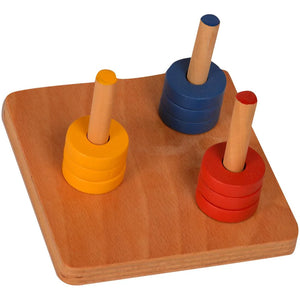
To encourage these vital baby first year milestones, consider items like a wooden interlocking disc or a grasping rattle. These fit perfectly into a baby's small hands, allowing them to practice transferring objects from hand to hand, refining their grasp. A kick-and-reach gym with wooden rings encourages gross motor skills as they stretch and kick. This stage is also ideal for tummy time with a baby-safe mirror, promoting neck strength and self-awareness, often a favourite activity in many Indian homes where babies spend ample time on the floor.
Building Confidence & Coordination: 6-9 Months
Between six and nine months, babies are typically sitting independently, beginning to crawl, and exploring object permanence. This is when cognitive development truly accelerates, as they understand that objects still exist even when hidden. The American Academy of Pediatrics (AAP) highlights the importance of open-ended play for fostering problem-solving skills at this age.
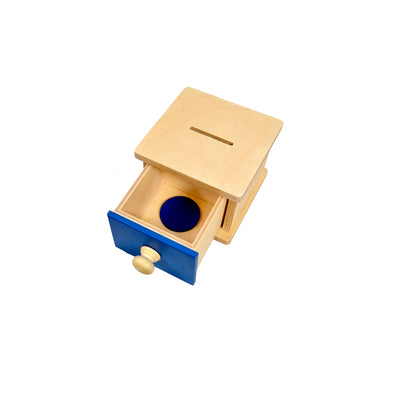
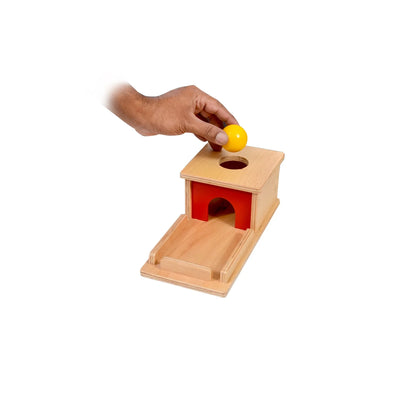
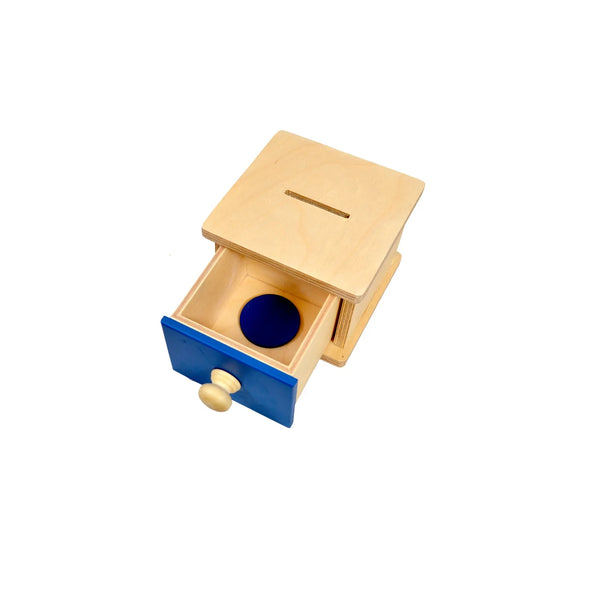
For parents wondering how to encourage baby milestones like sitting and crawling, Montessori offers specific tools. An object permanence box with a ball allows a baby to drop a ball and see it reappear, solidifying this key cognitive concept. Stacking rings or nesting cups, particularly wooden ones, refine fine motor control and introduce concepts of size and order. These educational toys for infant development are not just about play; they are purposeful exercises that build concentration and a sense of accomplishment.
Fostering Independence & Fine Motor Skills: 9-12 Months
The final quarter of the first year sees rapid advancements towards independence, including pulling to stand, cruising, and refined pincer grasp. Language comprehension also expands dramatically, even before babies utter their first words. Parents often express they are anxious about baby development at this stage, particularly around early walking and talking, but it's important to remember each child's unique timeline.
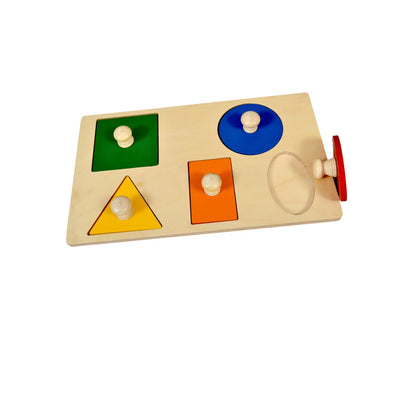
Montessori toys and activities during this time focus on practical life skills and refining fine motor coordination. A peg puzzle or a shape sorter with simple, chunky shapes provides excellent practice for problem-solving and hand-eye coordination. A small basket of wooden blocks encourages stacking, knocking down, and imaginative play – perfect for strengthening those finger muscles. Even simple activities like using a cloth for cleaning a surface, mimicking adult actions often seen in joint families, can be incredibly engaging and developmental for a 9-12 month old.
The SkilloToys Approach: Beyond Just Toys
SkilloToys.com believes that the true power of Montessori lies not just in the materials themselves, but in the philosophy of respectful, child-led learning. We understand the specific concerns of Indian parents, from the pressure to meet milestones to balancing traditional play with modern educational approaches. Our collection of Montessori Method learning materials is curated to support every stage of your baby's development, offering a reassuring path forward.
Studies consistently show that children in supportive, stimulating environments reach their full potential. While media exposure can influence parenting practices, as noted by Scientific Reports on infant feeding in India, a focused, child-centric approach like Montessori encourages deeper engagement and reduces distractions. By choosing purposeful toys and creating a 'prepared environment', you're not just buying a product; you're investing in your child's innate capabilities and fostering a love for learning that will last a lifetime.
Remember, your baby's development is a beautiful, individual journey. Celebrate every small step, offer gentle encouragement, and trust in their remarkable capacity to learn. Providing a rich, responsive environment with the right tools is the greatest gift you can give them.