Wooden Puzzles for Kids: Baby's First Year (0-12 Months)
When new parents in India search for ways to support their baby's early development, the query for wooden puzzles for kids often pops up. Yes, simple wooden puzzles are incredibly beneficial for babies aged 0-12 months, offering a powerful, natural way to nurture their budding cognitive skills. These early interactions with specially designed wooden puzzles lay the groundwork for problem-solving, fine motor control, and focused attention, crucial for your child's first year milestones.
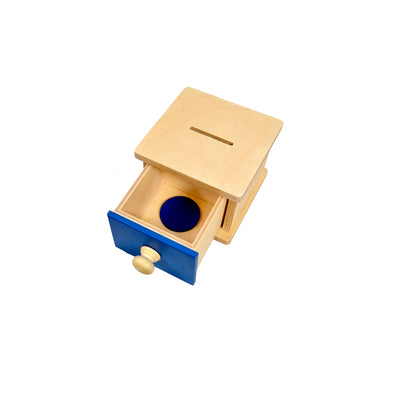
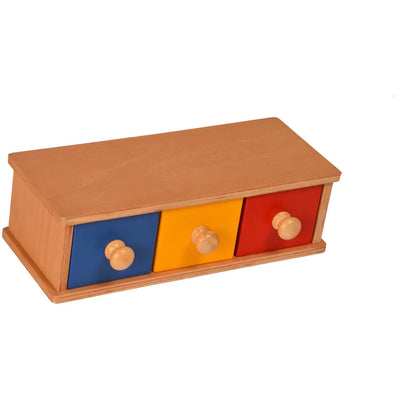
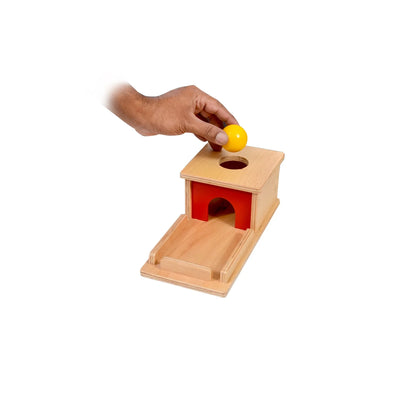
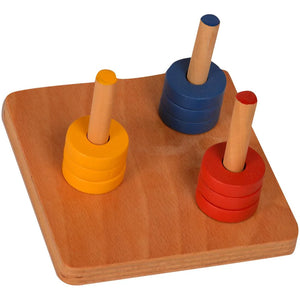
A Montessori wooden puzzle is a carefully designed educational tool that isolates a single concept or skill for a child to master through self-directed activity. This matters because it allows infants to focus deeply without overwhelming stimuli, building concentration and self-confidence. Indian parents can integrate these simple yet profound tools into their baby's play environment to foster natural learning and development.
Why Montessori Wooden Puzzles are Essential for Baby's First Year
Child development experts agree that the first year of life is a period of intense sensory exploration and rapid brain growth. Research from institutions like the Harvard Center on the Developing Child highlights the importance of responsive care and enriching environments in shaping foundational neural connections. Montessori baby wooden toys, including puzzles, perfectly align with this understanding, offering tactile experiences that stimulate neural pathways.
These simple toys aid in developing vital senses like touch, sight, and even hearing (the gentle clunk of wood). For a baby aged 6-12 months, grasping a puzzle piece and trying to fit it into its slot is a complex task. It refines their pincer grip, strengthens hand-eye coordination, and introduces the concept of cause and effect, forming crucial parts of early cognitive development toys.
Choosing the Right First Puzzles for Babies (0-12 Months)
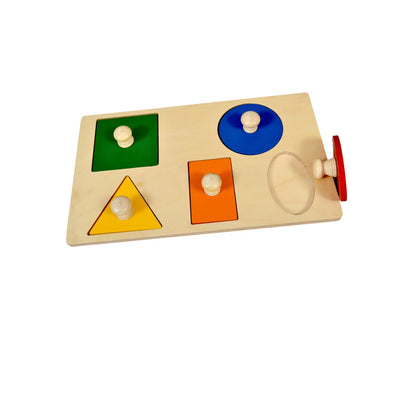
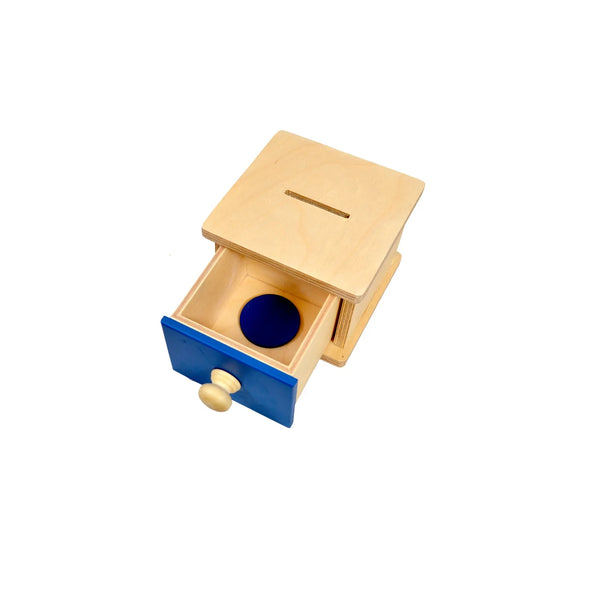
Selecting the appropriate Montessori puzzles for babies in their first year is about simplicity and safety. For babies around 6-9 months, look for single-piece grasp puzzles, where the shape has a large knob or handle for tiny hands to hold. The focus here is on the action of picking up and placing, rather than complex problem-solving. Imagine little Aanya in Bengaluru, sitting on her play mat, excitedly trying to pick up a large circular wooden piece, guided by her dadi's gentle encouragement.
As babies approach 9-12 months, they might be ready for slightly more intricate options like simple knobbed puzzles with 2-3 distinct shapes, such as a circle, square, or triangle. These are often the very first shape sorters for infants, teaching them to distinguish and match forms. When choosing these first puzzles for babies, always ensure the wood is smooth, non-toxic, and that there are no small parts that could be swallowed. SkilloToys offers a wide range of Montessori materials, ensuring quality and safety for your little one.
The Montessori Approach: Observing, Not Directing
One of the profound insights of Maria Montessori was the concept of "the absorbent mind" in early childhood, where children absorb information from their environment effortlessly. This is particularly evident when a baby engages with a puzzle. Instead of constantly correcting or showing them how to do it, the Montessori approach encourages parents to observe and allow the child to discover solutions independently. This means giving your baby time to experiment, even if it takes many tries for them to fit a piece correctly.
For many Indian parents, there's a natural inclination to 'teach' and 'help' immediately, often stemming from a desire for quick progress, especially with concerns around meeting developmental milestones. However, genuine learning often comes from the child's own persistence. This self-correction builds resilience and an intrinsic sense of accomplishment, far more valuable than a parent-guided success. This observation method is a non-obvious insight: pushing for early mastery can hinder the deeper developmental benefit of sustained, self-directed engagement.
Beyond the Toy: Puzzles and Overall Infant Well-being
The benefits of engaging with Montessori wooden puzzles extend beyond just cognitive development. The World Health Organization (WHO) and UNICEF consistently highlight the importance of a stimulating environment for comprehensive infant and young child development, linking it to better health outcomes and feeding practices. The focus and quiet concentration encouraged by puzzles can contribute to a baby's overall self-regulation and calm, which in turn can positively impact routines like feeding and sleep. A study published in Scientific Reports - Nature on the association between mass media exposure and infant feeding practices in India underscores how the overall home environment, including quality play, impacts a child's holistic well-being.
Providing babies with simple, purposeful toys like wooden puzzles supports not just their intellectual growth, but their emotional and social development too. When a baby successfully places a puzzle piece, the burst of joy they experience is a powerful affirmation, building self-esteem and a love for learning that carries into their toddler years and beyond. It's a testament to how thoughtfully designed play fosters a well-rounded, confident child ready to explore the world.