Aarambh Joyful Beginnings: Shaping Your Child's Brain
Aarambh joyful beginnings child development is fundamentally shaped by a child's earliest experiences, as these critical interactions and environmental stimuli literally sculpt the developing brain's architecture, laying the groundwork for all future learning and well-being. Research shows that from birth, the quality of a child's nurturing relationships and their environment dictates the strength and complexity of neural connections that form.
For curious Indian parents, understanding this intricate dance between genetics and environment offers powerful insights into nurturing their little ones. This isn't just about good parenting; it's about neurobiology – the fascinating science of how tiny brains grow into powerful minds.
"Aarambh: Joyful Beginnings" is a holistic approach to early childhood care, emphasizing responsive nurturing, stimulating environments, and positive interactions from a child's earliest moments. This matters because a child's foundational brain development in the first few years establishes the blueprint for their entire life, influencing everything from language to emotional regulation. Indian parents can actively foster joyful beginnings by prioritizing engaging play, consistent affection, and a safe, stimulating home environment.
The Science of Early Nurturing: Building Brain Architecture
The human brain at birth is an extraordinary, unfinished masterpiece, poised for rapid growth. Neuroscience reveals that millions of new neural connections, called synapses, form every second in a baby's first few years, a period of unparalleled neuroplasticity. These connections are not random; they are meticulously constructed through interactions with the surrounding world.
Responsive caregiving – the act of consistently responding to a baby’s cues with warmth, eye contact, and language – acts as a powerful architect for these neural pathways. When a baby coos and a parent coos back, or when a child points and an elder names the object, the brain learns cause-and-effect, language patterns, and emotional security. In many Indian homes, the rich tapestry of joint families, with the constant presence of grandparents and extended relatives, naturally provides this continuous, varied stimulation and responsive interaction, fostering diverse developmental pathways.
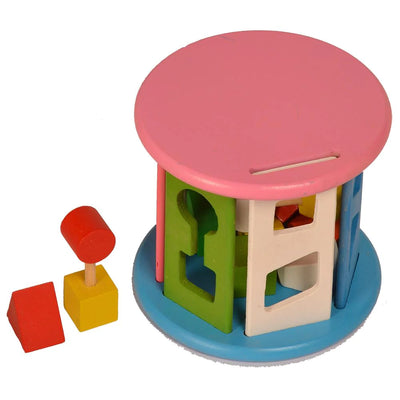
For instance, engaging a child with Montessori sensory development toys allows them to explore textures, shapes, and sounds independently. These hands-on experiences are not just play; they are critical inputs that help the brain build complex representations of the world, enhancing sensory integration and cognitive processing. Experts agree that such interactions are foundational for lifelong learning.
Optimal Environment for Babies' Brain: More Than Just Four Walls
Beyond direct nurturing, the physical and emotional environment profoundly shapes a child's brain development. An optimal environment is one that is safe, stimulating, and predictable, offering ample opportunities for exploration without overwhelming the child. It’s a space where a child feels secure enough to venture out and learn.
However, modern challenges can threaten this optimal environment. Recent reports, like those highlighted by NDTV and Health Policy Watch, warn that air pollution is emerging as a significant threat to child brain development in India, with studies indicating potential IQ plunges in highly polluted regions. Similarly, the Times of India has cautioned against magnesium mistakes that could impact cognitive function.
Parents can mitigate these concerns by ensuring nutritious diets, exploring indoor practical life materials that encourage focus and fine motor skills, and creating toxin-free zones within their homes. A prepared environment, as advocated by Maria Montessori, minimizes distractions and provides purposeful activities that allow children to develop concentration and independence, fostering a sense of accomplishment and joy.
UNICEF Early Child Development: Insights from Aarambh
UNICEF's 'Aarambh: The Joyful Beginnings of Life' initiative beautifully encapsulates the holistic needs of young children. It underscores that early childhood development isn't merely about physical growth but encompasses cognitive, social, emotional, and language development, all intertwined. Aarambh emphasizes the power of play, nutrition, protection, and most importantly, loving and responsive relationships.
This initiative resonates deeply with the SkilloToys philosophy. We believe that every child deserves a 'joyful beginning' filled with purposeful play that nurtures their innate curiosity and potential. Our Montessori Method Learning Materials are designed to provide the tools for self-directed discovery, encouraging children to learn through hands-on engagement, mirroring the very principles that UNICEF champions for optimal early childhood development.
Foundational Brain Development: The Montessori Perspective
Maria Montessori, a pioneering child development expert, observed that children possess 'sensitive periods' – specific windows of time when they are intensely receptive to acquiring particular skills or knowledge. During these periods, providing the right stimulation and a 'prepared environment' is crucial for foundational brain development. For instance, the sensitive period for language development (birth to 6 years) benefits immensely from rich verbal interactions and exposure to various sounds and words, common in multilingual Indian households.
Montessori materials are scientifically designed to meet these developmental needs. The Pink Tower, for example, helps a child discriminate size and build spatial awareness, while Sandpaper Letters engage tactile and visual senses for pre-reading skills. These materials are self-correcting, allowing children to learn from their own mistakes and develop problem-solving abilities without external intervention, fostering intrinsic motivation and a lifelong love for learning. Studies indicate that children engaged in such stimulating, self-directed learning environments exhibit higher cognitive and executive function skills.
SkilloToys aligns with this vision, providing high-quality, scientifically-backed educational tools that empower Indian parents to create enriching home environments. By understanding the science behind joyful beginnings, parents can make informed choices that profoundly impact their child's developing brain.
- A child's earliest experiences fundamentally sculpt their brain's architecture.
- Responsive caregiving actively builds and strengthens neural connections, crucial for all future development.
- An optimal environment extends beyond safety to include rich sensory and learning opportunities.
- Air pollution and nutritional deficiencies are identified threats to healthy child brain development.
- UNICEF's 'Aarambh' initiative highlights the critical role of play, nurturing, and protection in early childhood.
- Montessori education leverages 'sensitive periods' with prepared environments and specific materials to support foundational brain development.
What is UNICEF's 'Aarambh: Joyful Beginnings' initiative?
UNICEF's 'Aarambh: Joyful Beginnings' is an initiative focused on promoting holistic early childhood care, emphasizing the critical importance of responsive nurturing, stimulating environments, and positive interactions during a child's earliest years. It highlights that joyful and supportive beginnings are crucial for a child's overall development and lifelong well-being.
How does an optimal environment impact a baby's brain development?
An optimal environment provides consistent stimulation, safety, and opportunities for exploration, directly influencing the density and complexity of neural connections in a baby's brain. This rich sensory and emotionally secure setting fosters cognitive, social, and emotional growth, creating a robust foundation for future learning and adaptability. Conversely, stressful or deprived environments can hinder this crucial brain architecture formation.
Can air pollution genuinely affect a child's developing brain?
Yes, extensive research, including recent studies from India, indicates that exposure to high levels of air pollution can significantly harm a child's developing brain. Doctors warn that fine particulate matter can cross the blood-brain barrier, leading to inflammation and neurodevelopmental issues, potentially reducing cognitive abilities and even impacting IQ scores. Protecting children from pollution is paramount for their brain health.
What role do responsive caregiving and joint families play in early development?
Responsive caregiving, characterized by prompt and sensitive responses to a child's needs, builds secure attachments crucial for emotional regulation and cognitive development. In Indian joint families, grandparents and other relatives often provide an extended network of responsive caregivers, offering diverse interactions, language exposure, and cultural wisdom that significantly enrich a child's early experiences and social-emotional growth.
How do Montessori educational toys support 'joyful beginnings'?
Montessori educational toys are designed to be child-led and developmentally appropriate, allowing children to explore concepts independently at their own pace, fostering a natural joy in learning. Materials like the Pink Tower or Sandpaper Letters promote concentration, problem-solving, and fine motor skills in a way that respects the child's innate curiosity and intrinsic motivation, aligning perfectly with the principles of joyful, self-directed exploration.