Best Eco-Friendly Toy Brands: Science of Brain Growth
Choosing the best eco-friendly toy brands is a scientifically proven strategy to significantly boost your child's brain development, supporting their cognitive, sensory, and socio-emotional growth. Research shows that engagement with natural, sustainable playthings fosters deeper learning and a profound connection to the world around them, aligning with core Montessori principles.
What is Sustainable Play?
Sustainable play involves engaging children with toys made from renewable, non-toxic materials, produced ethically, and designed for longevity. This matters because it not only reduces environmental impact but also enhances a child's developmental experience through authentic sensory input and open-ended exploration. Indian parents can actively choose toys that benefit both their child's mind and the planet.
In a world grappling with concerns like air pollution emerging as a threat to child brain development, as highlighted by recent NDTV reports, parents in Bengaluru and across India are seeking solutions. The choices we make in our children's play environment have a profound impact, shaping not just their immediate learning but also their future worldview and values.
Natural Materials Power Sensory Development & Cognition
The textures, weights, and temperatures of natural materials profoundly enhance a child's sensory development and cognitive processing. Studies indicate that toys made from wood, organic cotton, and wool provide a richer, more varied tactile experience than uniform plastic, stimulating more neural pathways in a child's developing brain.
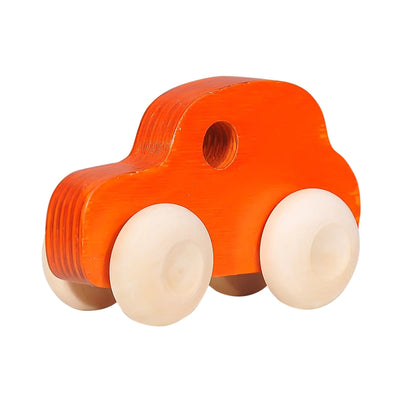
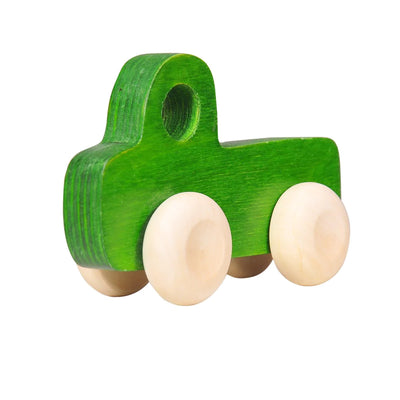
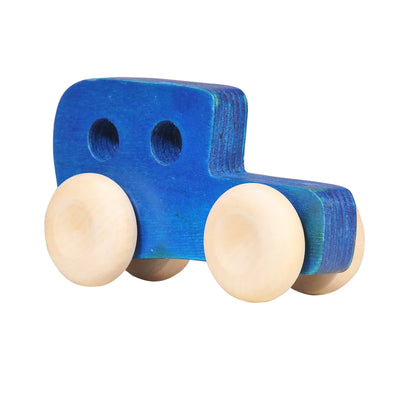
For instance, a simple wooden block set offers a sensory feast, teaching concepts of weight, balance, and gravity through direct interaction. This hands-on exploration is crucial for building foundational spatial awareness and problem-solving skills, far surpassing the passive engagement often found with electronic gadgets. Child development experts agree that these early, multi-sensory experiences are vital for robust brain architecture.
Eco-Friendly Toys Foster Holistic Child Development Sustainability
Beyond individual brain benefits, engaging with eco-friendly toys instils a vital sense of responsibility and environmental awareness in children, contributing to their holistic development sustainability. This approach helps children understand their place in the larger ecosystem, promoting empathy and a future-forward mindset essential for India's next generation.
When children learn that their toys are crafted from renewable resources, perhaps even handmade by artisans, they begin to appreciate the value of craftsmanship and responsible consumption. This foundational understanding, often nurtured in joint families where elders pass down stories of respect for nature, lays the groundwork for becoming mindful citizens who care deeply about the planet – a critical lesson given the current environmental challenges our country faces.
Montessori Eco-Friendly Toys: A Legacy of Mindful Learning
Maria Montessori, a pioneer in child education, inherently advocated for eco-friendly toys long before the term existed, emphasizing natural materials and a respect for the environment. Her philosophy centers on allowing children to learn through direct, hands-on experience with thoughtfully designed materials that connect them to the real world.
Montessori eco-friendly toys, such as the famous Pink Tower or sandpaper letters, are typically crafted from wood and other natural elements. They are designed to be self-correcting and engaging, promoting concentration, fine motor skills, and an innate curiosity. This approach proves that sustainable choices are not just good for the earth, but are fundamentally superior for fostering a child's cognitive and emotional growth.
Beyond Play: Eco-Friendly Toys Benefits for Future Citizens
The benefits of eco-friendly toys extend far beyond the playroom, shaping children into responsible and innovative future citizens. By choosing sustainable play, parents equip their children with more than just entertainment; they provide tools for developing creativity, resourcefulness, and a deep appreciation for the world around them.
Research indicates that open-ended play with natural materials, such as drawing or building with blocks, is crucial for developing divergent thinking – the ability to generate multiple solutions to a problem. As MSN recently highlighted, the benefits of drawing for child brain development are significant, and eco-friendly art supplies or natural building blocks offer an unadulterated canvas for this vital cognitive exercise. These experiences nurture a child's problem-solving capabilities, essential for navigating an increasingly complex world and fostering the innovative spirit India needs.
- Choosing eco-friendly toys is a scientifically backed method to enhance child brain development.
- Natural materials in toys provide richer sensory input, stimulating more neural pathways than synthetic alternatives.
- Sustainable play fosters cognitive skills like problem-solving, creativity, and spatial awareness.
- Eco-friendly choices promote environmental responsibility and empathy, crucial for holistic child development.
- Maria Montessori's philosophy champions natural, eco-friendly materials for optimal learning and development.
- Sustainable toys encourage open-ended play, building critical thinking and future-ready skills.
For curious Indian parents who seek to provide the very best foundation for their children's development, understanding the science behind sustainable play is empowering. It’s about more than just food and academics; it's about nurturing a whole child through thoughtful choices in every aspect of their environment, including their playtime.
How do eco-friendly toys specifically aid cognitive development?
Eco-friendly toys, particularly those made from natural materials, stimulate cognitive development by encouraging open-ended, imaginative play. This type of play strengthens problem-solving skills, critical thinking, and creativity, as children are not limited by pre-programmed functions.
Are Montessori eco-friendly toys truly better for brain development?
Yes, Montessori eco-friendly toys are demonstrably better for brain development because they are designed to be self-correcting and engage multiple senses. They foster independence, concentration, and fine motor skills through hands-on exploration with natural, high-quality materials, aligning perfectly with a child's natural learning pathways.
What kind of natural materials are best for sensory development in toys?
Natural materials like wood, organic cotton, wool, and natural rubber are excellent for sensory development. Their varying textures, temperatures, and weights offer a richer, more authentic sensory experience compared to synthetic materials, enhancing tactile discrimination and proprioception in children aged 0-6 years.
How does sustainable play teach children about environmental responsibility?
Sustainable play inherently teaches children about environmental responsibility by connecting them with natural materials and the concept of mindful consumption. When children play with toys made from renewable resources, they subconsciously learn to value the environment and understand the importance of making conscious choices that protect our planet for future generations.
Do eco-friendly toys last longer and offer better value for Indian families?
Eco-friendly toys, especially those from reputable brands using high-quality natural materials, are generally more durable and designed to withstand extensive play. While the initial investment might be higher, their longevity, timeless appeal, and ability to be passed down through generations or recycled offer excellent long-term value for Indian families, reducing waste and fostering resourcefulness.