Telugu Letters with Pictures: Brain Science of Early Language
When it comes to early literacy, understanding the science behind how children acquire language is paramount. Exposing young minds to telugu letters with pictures fundamentally enhances cognitive development by leveraging visual processing pathways and strengthening neural connections for language acquisition. This multi-sensory approach, aligning with Montessori principles, builds foundational literacy skills and promotes phonological awareness, making future learning more efficient for Indian children.
Early regional language learning with visual aids refers to the deliberate introduction of native script elements, such as the Telugu alphabet paired with corresponding images, during a child's most formative years. This matters because it taps into critical periods of brain development, creating robust neural pathways for language. Indian parents can actively integrate these visual tools into daily routines, fostering both linguistic and cognitive growth.
The Brain's Language Blueprint: Why Early Exposure Matters
The human brain is an astonishing architect, especially in its early years. Research shows that from birth to roughly age six, a child's brain undergoes rapid development, forming over a million new neural connections every second. This period is a 'critical window' for language acquisition, where the brain is exceptionally plastic and receptive to linguistic input – sounds, patterns, and visual cues. This intense neurodevelopmental phase is why, as The Times of India recently explored, we don't remember being babies; our brains were too busy building foundational structures.
Introducing a structured script like Telugu, especially with visual aids, during this time can profoundly shape the brain's language circuitry. It's not just about memorizing 'అ' for 'amma'; it's about wiring the brain to recognise complex patterns, associate sounds with symbols, and build a robust mental lexicon. This early investment in children, as The Hindu highlights, is truly key to India's future, laying the groundwork for sophisticated thought processes.
Seeing is Learning: The Power of Telugu Letters with Pictures
Our visual cortex is a powerful engine for learning. When children encounter telugu letters with pictures, their brains simultaneously process the visual form of the letter and the image associated with its sound and meaning. This dual input creates a stronger, more resilient memory trace than rote memorization alone.
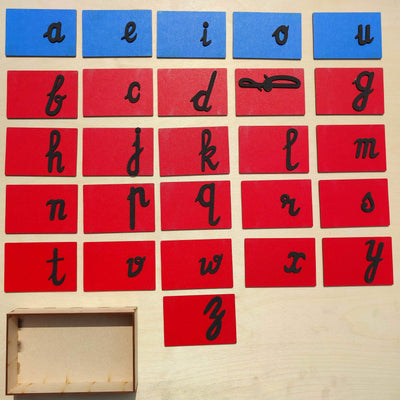
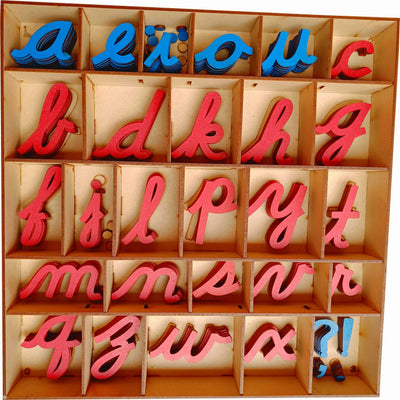
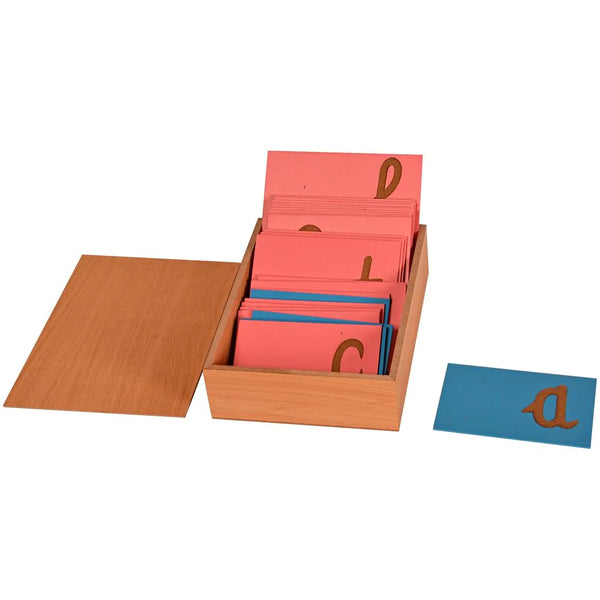
Maria Montessori's approach to language learning emphasizes sensorial engagement. Her philosophy recognized that children learn best by doing and seeing. Materials like the Montessori Sandpaper Letters, for instance, combine visual recognition with tactile exploration, activating multiple brain regions. This multi-sensory stimulation is not just engaging; it's neurologically superior, fostering deeper comprehension and retention of the Telugu alphabet.
Cognitive Benefits Beyond the Script: Problem-Solving and Phonological Awareness
Beyond simply learning to read and write, engaging with visual aids for regional language learning offers profound cognitive benefits. Learning a phonetically consistent script like Telugu, where sounds largely correspond to written symbols, naturally strengthens phonological awareness – the ability to recognize and manipulate the sounds of language. This skill is a strong predictor of future reading success in any language.
Studies indicate that children exposed to early language learning, particularly through visual and structured methods, develop enhanced executive functions. These include better attention span, working memory, and problem-solving skills. When a child in Bengaluru learns to identify 'గ' (ga) with a picture of a 'గుడి' (gudi - temple), they are not just learning a letter; they are building connections, categorizing, and inferring, all critical cognitive processes.
Montessori in the Indian Home: Practical Approaches to Telugu Alphabet Learning for Kids
Integrating telugu alphabet learning for kids into an Indian home doesn't require a dedicated classroom. It's about creating a language-rich environment that respects the child's natural curiosity. Grandparents often play a pivotal role here, sharing stories and songs in regional languages, providing invaluable auditory input.
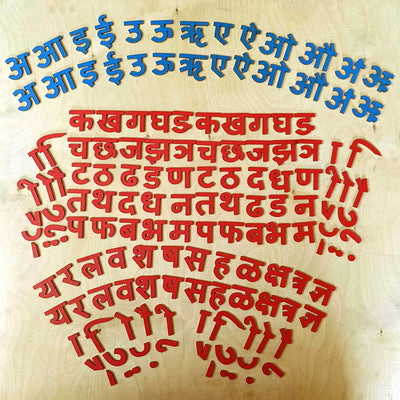
Parents can use simple, homemade flashcards featuring telugu letters with pictures, pointing them out during daily activities. For instance, while eating idli, you might show the 'ఇ' (i) for 'ఇడ్లీ' (idli). SkilloToys offers a range of Montessori language learning materials that are perfect for this, encouraging self-correction and independent discovery in a playful manner. This approach mirrors how children naturally explore their world, making learning an joyful extension of play rather than a chore.
The Dual Advantage: Regional Language and Global Readiness
In a globalised India, there's often a debate between prioritizing English versus regional languages. However, cognitive science strongly supports a dual approach. Children who master their regional language, like Telugu, alongside English develop a stronger sense of cultural identity and heritage, connecting them to their roots and family narratives. This deep cultural grounding provides emotional stability and a sense of belonging.
Furthermore, the cognitive flexibility developed through early regional language learning makes it easier for children to acquire additional languages later in life. They understand the underlying structures of language, fostering meta-linguistic awareness. This means that a child who can confidently read Telugu will likely find it easier to grasp Hindi or even a European language, preparing them not just for India's future, but for a truly global one.
So, the next time your little one points to a letter on a flashcard, know that you're not just teaching them the alphabet. You're actively shaping their brain, fostering curiosity, and laying a scientific foundation for a lifetime of learning and connection. Consider introducing a simple set of visual Telugu alphabet cards during your child's playtime tonight – observe their fascination as they absorb the sounds and shapes of their mother tongue.