Home Visits Brain Development: Boosting Baby's Early Growth
New research confirms a fascinating truth: targeted home visits brain development programs can profoundly enhance a baby's cognitive and physical growth from the earliest stages of life. Studies indicate that these structured interventions provide crucial parental support, leading to significantly better outcomes for infants, shaping neural pathways and laying a robust foundation for future learning and well-being. This groundbreaking insight from sources like Neuroscience News underscores the immense power of early, informed intervention.
So, what exactly are these home visiting programs that promise such remarkable developmental boosts? Home visiting programs are voluntary, evidence-based services that connect expectant parents and new families with trained professionals, often nurses or early childhood specialists, who provide regular, in-home support. This matters because consistent guidance helps parents navigate challenges, learn about child development, and create nurturing environments. Indian parents can benefit immensely from such tailored support, often integrating well with our cultural emphasis on family and community care.
The Neuroscience Behind Home Visits Brain Development
Research definitively shows that the human brain experiences its most rapid development during the first three years of life, forming over a million new neural connections every second. This incredible period of plasticity makes early experiences, including parental interactions and environmental stimulation, absolutely critical. Home visiting programs leverage this sensitive period by guiding parents in activities that directly foster optimal brain wiring.
These programs empower parents to understand their child’s developmental milestones and respond to their cues effectively, a process known as responsive parenting. Such interactions, from singing lullabies to engaging in age-appropriate play, actively build complex neural networks vital for language, problem-solving, and emotional regulation. India’s Poshan Pakhwada, emphasizing early nutrition, further highlights how holistic support – from diet to interaction – collectively fuels this rapid brain growth, forming the cornerstone of a child's future.
Early Childhood Home Visiting: A Foundation for Lifelong Learning
Early childhood home visiting extends beyond mere check-ups; it's a comprehensive support system designed to strengthen families and promote holistic child development. These programs are shown to improve not only cognitive scores but also social-emotional skills, which are paramount for navigating complex social dynamics, especially within India’s often large and interconnected joint family structures.
By supporting parents in areas like stress management, understanding infant behavior, and accessing community resources, home visits help create stable, loving environments. This stability is a key predictor of a child's long-term academic success and overall well-being. Grandparents and extended family members also often benefit from the insights shared, integrating new knowledge with traditional wisdom to enrich the child’s upbringing.
How Parental Support in Infant Development Transforms Futures
Consistent, informed parental support is not just beneficial; it is foundational for infant development. Home visitors equip parents with practical strategies to engage their babies, transforming everyday moments into powerful learning opportunities. This includes teaching parents how to observe their child’s interests, introduce new concepts, and encourage exploration safely.
Maria Montessori's philosophy, which champions the child as an active learner in a prepared environment, aligns perfectly with these principles. When parents receive guidance on setting up an enriching home space, offering Montessori materials for 0-3 years that invite exploration and discovery, they actively support their baby's intrinsic drive to learn. This deliberate engagement fosters concentration, independence, and a love for learning from the very start.
Neuroscience Early Learning at Home: Practical Strategies
Applying neuroscience insights at home doesn't require elaborate setups; it demands intentional, responsive interaction. Simple activities like sustained eye contact, tummy time, describing objects and actions, and reading aloud stimulate multiple areas of the brain. Experts agree that a language-rich environment, where parents frequently converse and read to their babies, is a powerful predictor of later literacy skills.
Even the seemingly simple act of a parent responding to a baby's babble strengthens communication pathways. Holistic health, including nurturing a healthy gut biome – a concept explored by The Economic Times regarding its link to preventing conditions like Autism and ADHD – is also implicitly supported by home visiting programs through guidance on nutrition, breastfeeding, and hygiene, all contributing to optimal brain function.
Baby Growth Stimulation Strategies: Beyond the Basics
Effective baby growth stimulation goes beyond just physical milestones; it encompasses cognitive, emotional, and social development. Home visiting programs help parents understand how to integrate these elements, moving past mere rote learning towards truly engaging strategies. For instance, facilitating play that encourages both fine and gross motor skills, such as reaching for objects or crawling towards a desired toy, builds crucial neural pathways.
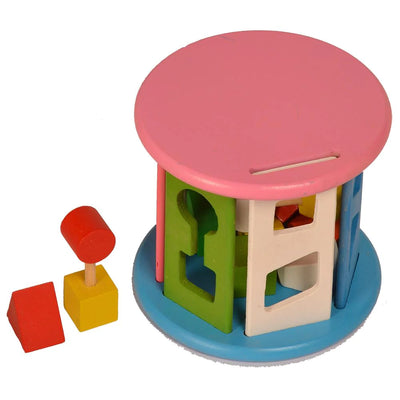
Montessori-inspired Practical Life materials, like simple ring stackers or shape sorters, provided appropriately, offer concrete experiences that refine hand-eye coordination and problem-solving. Studies indicate that children in supportive home environments, guided by informed parents, demonstrate significantly enhanced motor skill development and cognitive agility compared to their peers without such interventions.
Cultivating a Montessori Home Environment for Babies with Home Visit Principles
One of the most profound impacts of home visiting programs is their ability to empower parents to create a stimulating yet orderly home environment, echoing the core tenets of Maria Montessori. This means establishing spaces where the child can safely explore, interact with age-appropriate sensory exploration toys, and develop independence.
Imagine a low shelf in a Bengaluru home, accessible to a crawling baby, displaying a few carefully chosen materials like a grasping rattle or a soft ball. This simple setup, often suggested by home visitors, respects the child’s burgeoning autonomy and fosters concentration. It transforms the home into a vibrant learning laboratory, where every corner offers an opportunity for discovery and development, guided by a parent who understands the science of their child’s growth.
The science is clear: proactive engagement through home visiting programs provides an unparalleled advantage in fostering a child’s optimal brain development and overall growth. For Indian parents eager to provide the very best, understanding these research-backed strategies is not just fascinating; it’s transformative. Empowering parents to become their child’s first and most influential teachers paves the way for a generation of thriving, curious, and capable individuals.
- Research consistently shows that targeted home visits significantly enhance infant brain development and overall growth.
- Early childhood home visiting programs provide parents with critical support for responsive parenting and creating stimulating home environments.
- The first three years are a period of immense brain plasticity, where consistent positive interactions build vital neural connections.
- Montessori principles, focusing on a prepared environment and child-led exploration, naturally complement the goals of home visiting.
- Informed parental engagement, often facilitated by home visitors, is a leading predictor of a child's long-term cognitive and socio-emotional success.
- These programs are crucial for holistic child development, aligning with initiatives like India's Poshan Pakhwada for comprehensive well-being.
What are the primary benefits of home visits for infant development?
Home visits significantly boost infant cognitive and socio-emotional development by providing parents with targeted support, education on responsive parenting, and strategies for creating stimulating home environments. Research shows these programs enhance parent-child bonding and improve school readiness.
How do home visiting programs support brain development specifically?
These programs directly support brain development by fostering early, enriching interactions that stimulate neural connections. They guide parents on activities that promote language acquisition, problem-solving skills, and fine motor development, crucial for optimal brain wiring during critical windows.
Are home visiting programs accessible or relevant for Indian parents?
Yes, home visiting programs, or similar community-based maternal and child health initiatives, are highly relevant and increasingly accessible in India. They align with traditional family support systems and address the unique needs of Indian households, promoting health and early learning from birth.
What role do Montessori principles play in early childhood home visiting?
Montessori principles, focusing on a prepared environment, observation, and fostering independence, perfectly complement early childhood home visiting. They offer practical frameworks for parents to create stimulating spaces and engage with materials that naturally support a child's developmental milestones.
How can I stimulate my baby's growth and brain development at home?
You can stimulate your baby's growth and brain development by engaging in responsive play, reading aloud, providing a safe and stimulating environment with age-appropriate materials, and fostering strong emotional bonds. Consistent, loving interaction is paramount for healthy development.