Micronutrients for Child Brain Development: Science & Impact
Essential micronutrients for child brain development are crucial vitamins and minerals like iron, iodine, zinc, and B vitamins, which act as the fundamental building blocks and regulators for cognitive functions, memory, and learning. Their presence is non-negotiable for establishing robust neural pathways and ensuring optimal brain health from infancy, significantly impacting a child's future academic success and overall well-being. Understanding this scientific foundation empowers Indian parents to make informed dietary choices.
In a country where national initiatives like India’s 8th Poshan Pakhwada shine a spotlight on early nutrition, it's timely to delve deeper into the specific 'what' behind healthy brain development. Beyond merely knowing nutrition is vital, we aim to uncover the fascinating, research-driven science of how individual vitamins and minerals directly influence your child's cognitive journey.
What Are Micronutrients and Why Do They Matter for Brains?
Micronutrients are vital vitamins and minerals required in small quantities for the body's proper functioning and development. This matters profoundly for child brain development because these tiny compounds facilitate critical processes like neurotransmitter synthesis, myelin formation, and energy production, directly influencing cognitive abilities. Indian parents can ensure adequate intake through a balanced diet, often supplemented, to support their child's rapidly growing brain.
Child development experts agree that the first five years are a period of explosive brain growth, laying the foundation for all future learning, as highlighted by 'The Hans India'. It's during this critical window that micronutrients play an irreplaceable role, transforming raw potential into robust neural networks capable of complex thought and emotion. Deficiencies, even subtle ones, can have lasting repercussions.
Iron: The Brain's Oxygen Carrier and Cognitive Enhancer
Iron is unequivocally critical for healthy iron brain development kids. Research indicates that iron is essential for oxygen transport to the brain and for the synthesis of neurotransmitters like dopamine, which regulate attention, motivation, and learning. Iron deficiency, unfortunately prevalent among many Indian children, can lead to irreversible cognitive deficits, impacting academic performance and concentration in school.
Studies show that children with sufficient iron levels demonstrate better memory, processing speed, and problem-solving skills. Ensuring adequate iron intake through sources like leafy greens, fortified cereals, and pulses is a foundational step for every parent in India. Regular monitoring by a paediatrician is crucial, especially during rapid growth phases when iron requirements are high.
Iodine: The Master Regulator of Cognitive Development in India
Iodine is arguably one of the most vital minerals for comprehensive iodine child development India. This trace element is indispensable for the production of thyroid hormones, which are primary regulators of brain growth and maturation, particularly during gestation and early childhood. Iodine deficiency is recognized as the leading preventable cause of brain damage worldwide.
India has made significant strides in universal salt iodisation, a public health triumph, yet pockets of deficiency persist. Ensuring access to iodised salt and iodine-rich foods like fish or dairy is paramount for expectant mothers and young children. Without sufficient iodine, the brain's ability to develop optimally, including critical functions like language acquisition and reasoning, is severely compromised.
Zinc: Crucial for Neurotransmitter Function and Neural Connectivity
Zinc plays a multifaceted role in ensuring robust minerals for cognitive development. This essential mineral is involved in over 300 enzymatic reactions, many of which are crucial for brain function, including neurotransmitter synthesis and synaptic plasticity. Zinc deficiency can impair learning, memory, and mood regulation, making a child more susceptible to cognitive challenges.
Authoritative sources confirm that adequate zinc intake supports the growth of new brain cells and maintains the integrity of neural pathways, which are vital for information processing. Incorporating zinc-rich foods like legumes, nuts, and whole grains into your child’s daily diet helps build these strong connections. For example, offering a plate of sprouts or whole wheat rotis can significantly contribute to their intake.
B Vitamins: The Brain's Energy Boosters and Neurotransmitter Architects
The entire complex of vitamins for child brain growth, particularly B vitamins (B6, B9-Folate, B12), are essential co-factors in numerous brain metabolic pathways. They are critical for energy production within brain cells, DNA synthesis, and the formation of myelin – the protective sheath around nerve fibres that speeds up communication. A deficiency in B vitamins can lead to fatigue, poor concentration, and impaired cognitive function.
Research indicates that Vitamin B12, for instance, is especially important for myelin formation and preventing neurological damage, a concern particularly for vegetarian families in India. Folate (Vitamin B9) is vital for cell division and the production of neurotransmitters. Ensuring a rich intake from sources like green leafy vegetables, dairy, and fortified cereals supports a vibrant and energetic brain ready for learning.
Vitamin D: Beyond Bones, For Brain Health
While commonly associated with bone health, Vitamin D's role extends significantly to brain development and function. Studies indicate that Vitamin D receptors are widely present in brain tissue, influencing neurogenesis, neurotransmission, and anti-inflammatory processes. Research suggests a link between Vitamin D deficiency and increased risk of cognitive issues and neurodevelopmental disorders.
Especially in Indian homes, where children might not always get sufficient outdoor playtime, ensuring adequate Vitamin D through sunlight exposure, fortified foods, or supplementation (under medical guidance) is crucial. This helps support not just their physical growth but also their mental acuity and overall brain health.
The Poshan Pakhwada Connection: Nurturing India's Future Brains
India’s 8th Poshan Pakhwada, with its focus on 'Early Nutrition to Boost Brain Development In Children,' powerfully reinforces the scientific understanding of micronutrients. This national campaign underscores the urgent need to address nutritional gaps early on, ensuring every Indian child has the best possible start in life. The initiative champions the very science we’ve explored, emphasizing that optimal nutrition from infancy is a non-negotiable right for cognitive flourishing.
By aligning with the goals of Poshan Pakhwada, we recognize that investments in early childhood nutrition are investments in India's future. It's about empowering parents with knowledge about crucial nutrients and fostering environments where children can thrive, developing strong, resilient brains capable of engaging with the world, much like the curiosity fostered by Maria Montessori's approach to education.
Nurturing Brains with Montessori Principles
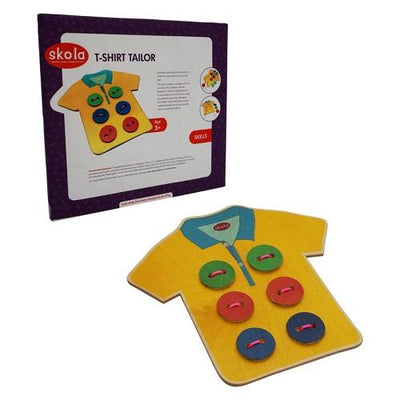
While micronutrients build the brain's physical architecture, Montessori education provides the rich environment that stimulates and utilises these well-nourished neural networks. Montessori Method Learning Materials & Toys, such as practical life materials and sensorial materials, encourage independent exploration, problem-solving, and concentration – all activities that further strengthen cognitive pathways. Just as a child needs iron for oxygen transport, they need engaging activities to build cognitive resilience.
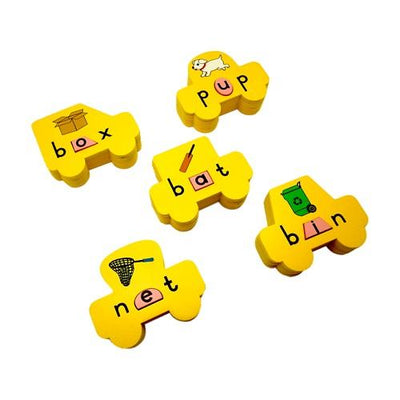
A well-nourished brain, primed with essential vitamins and minerals, is better equipped to engage with complex tasks, whether it's understanding mathematical concepts or developing language skills. Montessori tools like the language development toys at SkilloToys.com offer hands-on experiences that leverage this biological readiness, transforming abstract concepts into tangible learning, proving that physical and intellectual nourishment go hand-in-hand.
- Micronutrients like iron, iodine, and zinc are fundamental for optimal child brain development.
- Deficiencies in essential vitamins and minerals can lead to irreversible cognitive impairments, affecting learning and memory.
- India’s 8th Poshan Pakhwada highlights the national importance of early childhood nutrition for cognitive growth.
- Iron is critical for oxygen delivery to the brain and neurotransmitter synthesis, directly impacting attention and learning.
- Iodine is indispensable for thyroid hormone production, which regulates brain growth and maturation from the earliest stages.
- B vitamins are essential for the brain's energy metabolism, DNA synthesis, and forming myelin sheaths around nerve fibres.
What is the most important micronutrient for child brain development?
While all essential micronutrients are vital, iron and iodine are frequently cited as the most critical for child brain development due to their profound and widespread impact on cognitive functions. Deficiencies in either can lead to significant and often irreversible developmental delays, affecting millions of children globally.
How can I ensure my child gets enough micronutrients?
Indian parents can ensure adequate micronutrient intake by offering a diverse diet rich in fruits, vegetables, whole grains, pulses, and fortified foods like iodised salt. Consulting a paediatrician or nutritionist for tailored advice, especially regarding supplements, is always recommended to meet individual needs effectively.
What is Poshan Pakhwada and why is it important for child nutrition?
Poshan Pakhwada is a national campaign in India focused on raising awareness about nutrition and health, with a strong emphasis on early childhood nutrition. It is crucial because it mobilises communities to address malnutrition, promoting practices and policies that directly support healthy brain development in Indian children from their earliest years.
Can diet alone provide all necessary vitamins for child brain growth?
A well-balanced and diverse diet is the primary source of essential vitamins for child brain growth, but sometimes it may not be sufficient, especially in cases of dietary restrictions or increased needs. Fortified foods and, when advised by a healthcare professional, targeted supplements can help bridge any potential nutritional gaps.
How do educational toys support a child's brain development alongside nutrition?
Educational toys, particularly Montessori materials, complement good nutrition by providing crucial sensory and cognitive stimulation that reinforces brain development. These toys encourage problem-solving, fine motor skills, and concentration, actively building the neural connections that micronutrients help form and maintain, fostering holistic growth.