Screen Time, Autism, AIIMS Study: Brain Development Facts
A groundbreaking AIIMS study definitively links early screen time autism AIIMS study to the manifestation of autism signs by age three, highlighting critical impacts on child brain development. This research provides crucial insights for Indian parents navigating the digital age. It underscores the urgent need to understand how digital exposure shapes our children’s neurological pathways during their most formative years.
The study’s findings, widely discussed in sources like The Indian Express, offer a surprising yet critical perspective for families, from bustling metros like Bengaluru to serene village homes. Understanding this scientific connection is vital for fostering optimal growth and development for every child in India.
What is Early Childhood Screen Time?
Early childhood screen time refers to any exposure to digital devices like smartphones, tablets, and televisions for children aged 0-6 years. This matters because a child's brain undergoes rapid development during these formative years, with significant implications for cognitive and social skills. Indian parents can actively manage and limit this exposure to protect developing brains.
Screen Time and Child Brain Development: The Neurological Impact
Research consistently shows that a child’s brain is incredibly plastic, undergoing rapid changes and forming billions of neural connections in the early years. This period, especially from birth to three years, is critical for laying the foundation for all future learning and behaviour. Early and excessive screen time significantly alters this delicate process, impacting the very architecture of the developing brain.
Studies indicate that high screen exposure can reduce gray matter in brain areas crucial for language and cognitive control. Furthermore, it interferes with the development of executive functions like attention, memory, and problem-solving, which are vital for school readiness and lifelong learning. This neurological disruption is a significant concern for parents across India, keen on providing the best start for their children.
Authoritative sources in neuroscience highlight that physical interaction and social engagement are paramount for optimal brain development. As Neuroscience News recently reported, 'Home Visits Boost Growth and Brain Development in Babies,' emphasizing the importance of direct human interaction over passive digital consumption. The vibrant, multi-sensory experiences offered by hands-on play are irreplaceable for healthy neural growth.
Understanding the Effects of Screen Time on Toddlers
The effects of screen time on toddlers extend beyond just cognitive impacts, touching upon various aspects of their developmental journey. The AIIMS study specifically pointed to a correlation between early screen exposure and the emergence of autism-like signs by age three, including reduced eye contact, difficulty with social reciprocity, and repetitive behaviours. These observations align with growing global concerns regarding digital media's influence on young children.
Toddlers primarily learn through exploration, imitation, and direct interaction with their environment and caregivers. When screens dominate their attention, they miss out on crucial opportunities for developing language skills through conversation, refining fine motor skills through manipulation of objects, and understanding social cues through face-to-face interactions. This can lead to delays in speech development, attention deficits, and challenges in forming healthy attachments.
Setting Healthy Screen Time Limits for Kids
Establishing clear screen time limits for kids is paramount for their healthy development. Child development experts globally recommend no screen time for children under 18 months, with the exception of video chats with family. For children aged 18-24 months, very limited, high-quality, and supervised screen time is suggested, while for those aged 2-5 years, limits should not exceed one hour per day of high-quality programming, co-viewed with a parent.
In Indian homes, where joint families and grandparents often play a pivotal role, implementing these limits requires consistent family-wide effort. It means explaining the scientific rationale to elders and collectively committing to screen-free play zones and times. Creating a predictable routine helps children understand and adapt to these boundaries, reducing resistance and fostering healthier habits from a young age.
Montessori Screen Alternatives: Fostering Hands-On Learning
Fortunately, parents have powerful allies in nurturing healthy child development: Montessori principles and materials. Maria Montessori famously observed that children learn best through self-directed, hands-on exploration within a prepared environment. This philosophy offers a direct and highly effective counterpoint to the passive consumption of screen media.
Montessori education emphasizes engaging all five senses and developing practical life skills, concentration, and independence. Instead of swiping on a tablet, a child might be carefully pouring water from one pitcher to another, an exercise that refines coordination and focus. These montessori screen alternatives cultivate genuine curiosity and a love for learning, building robust neural connections that screens cannot replicate.
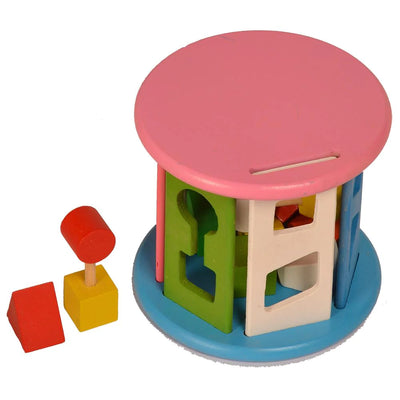
SkilloToys.com offers a curated range of Montessori educational toys that provide enriching screen-free experiences. Consider the profound benefits of a child engaging with a sensory play materials, which enhance tactile discrimination and language development. Or observe their concentration while mastering practical life activities like buttoning frames, developing crucial fine motor skills and independence.
Implementing a Digital Detox for Children in Indian Homes
A digital detox children India approach involves more than just limiting screen time; it's about enriching their environment with meaningful alternatives. For Indian parents, this could mean reviving traditional games like Carrom or Ludo, encouraging outdoor play in local parks, or engaging children in daily chores that build responsibility and motor skills.
Creating 'screen-free zones' in the home, such as bedrooms and dining areas, is an excellent first step. Involve children in setting up these zones and choosing engaging activities, like reading from physical books or building with blocks. This aligns with broader national efforts like India’s 8th Poshan Pakhwada, which targets early nutrition and holistic development, reinforcing the idea that a stimulating, screen-free environment is a form of 'brain nutrition'.
For families in Bengaluru and across India, the shift to hands-on, interactive play with high-quality educational toys can transform a child’s developmental trajectory. It's about providing opportunities for exploration, creativity, and social interaction that are crucial for building a resilient, intelligent, and emotionally balanced individual.
- The recent AIIMS study links early screen time directly to the manifestation of autism-like signs in children by age three.
- Early childhood (0-3 years) is a critical period for brain development, highly susceptible to environmental influences like screen exposure.
- Excessive screen time negatively impacts neural pathways responsible for language, attention, and social skills.
- Child development experts recommend strict screen time limits: none under 18 months (except video calls), very limited for 18-24 months, and under one hour daily for ages 2-5 years.
- Montessori educational toys and hands-on activities provide superior developmental benefits compared to passive screen engagement.
- Implementing a 'digital detox' with engaging alternatives supports holistic brain and social-emotional growth in Indian children.
What did the AIIMS study reveal about screen time and autism signs?
The AIIMS study, as reported by The Indian Express, revealed a definitive link between early screen time exposure and the manifestation of autism-like signs by the age of three in young children. This research highlights screen time as a significant environmental factor impacting neurodevelopment.
How does early screen time affect a child's brain development?
Early screen time impacts a child's brain by altering critical neural pathways responsible for language, attention, and social skills. Research indicates it can reduce gray matter, impair executive functions, and hinder the development of crucial sensory-motor integration.
What are recommended screen time limits for toddlers in India?
Child development experts globally, including the American Academy of Pediatrics, recommend no screen time for children under 18 months, except for video calls. For children aged 18-24 months, very limited, high-quality, supervised screen time is suggested, while for ages 2-5, limits should not exceed one hour per day.
What are effective Montessori screen alternatives for young children?
Effective Montessori screen alternatives focus on hands-on, experiential learning through materials like sensorial apparatus, practical life activities, and language materials. These encourage concentration, fine motor skills, and independent problem-solving, engaging children in meaningful, developmental play.
How can Indian families implement a digital detox for their children?
Indian families can implement a digital detox by establishing screen-free zones and times, offering engaging alternatives like outdoor play or traditional games, and involving grandparents in fostering hands-on activities. Creating a stimulating home environment rich in Montessori educational toys supports this transition effectively.