Screen Time Autism Signs: AIIMS Study for Indian Parents
A recent, groundbreaking screen time autism signs AIIMS study reveals that infants and toddlers exposed to over 60 minutes of screen time daily face a significantly higher risk of developing autism spectrum disorder (ASD) signs by the age of three. This critical finding from India's premier medical institution serves as an urgent wake-up call for parents across the nation, particularly those navigating the complexities of modern parenting in bustling cities like Bengaluru or traditional joint families.
Early Brain Development is the rapid, foundational growth of a child's brain from birth to age three, influencing all future learning and behaviour. This matters immensely because experiences during this period literally shape brain architecture, impacting language, social skills, and emotional regulation. Indian parents can proactively support this growth through interactive play, rich sensory experiences, and meaningful human connection.
AIIMS Study: Early Screen Exposure and Autism Risk
The AIIMS study, a pivotal piece of research from India, definitively links excessive early screen exposure to an increased likelihood of exhibiting autism signs by age three. Researchers observed a higher prevalence of developmental red flags in children with significant screen time, indicating that digital immersion may interfere with crucial early milestones. This data challenges the often-relaxed attitude towards screen usage, especially in homes where tablets or phones are used to soothe children or keep them occupied during family gatherings or busy festival preparations.
Specifically, the study noted that infants exposed to more than one hour of daily screen time were nearly twice as likely to show delayed social and communication skills. These delays are critical indicators often associated with ASD. It underscores the profound impact of environmental factors, like screen time, on a child’s neurological development during their most formative years.
Toddler Screen Time Impact on Social and Language Skills
The extensive use of screens in toddlerhood profoundly affects the development of vital social and language skills. Research shows that children learn best through direct interaction, imitation, and hands-on exploration of their environment. When a child is absorbed in a screen, they miss out on invaluable opportunities for reciprocal communication, understanding non-verbal cues, and developing empathy.
This lack of real-world engagement can manifest as delayed speech, difficulty making eye contact, and challenges in engaging in imaginative play with peers or family members. For Indian parents, who often cherish the vibrant social fabric of their communities and the rich linguistic heritage, understanding this impact is crucial. Studies indicate that for every additional hour of screen time, toddlers experience a significant reduction in opportunities for back-and-forth conversation, which is essential for language acquisition.
- The AIIMS study establishes a direct link between over 60 minutes of daily screen time in toddlers and increased autism signs by age three.
- Early brain development (0-3 years) is profoundly influenced by real-world, interactive experiences, which screens can displace.
- Excessive screen time in toddlers is associated with delays in social interaction, language acquisition, and attention skills.
- Montessori education actively promotes hands-on learning, sensory exploration, and practical life skills as robust alternatives to digital media.
- Recognising early autism signs like limited eye contact or delayed speech is crucial for timely intervention and support.
- Creating a screen-free environment, particularly for children under two, is paramount for optimal cognitive and social development.
Recognising Autism Signs by Age 3: What to Observe
Identifying potential autism signs by age three allows for early intervention, which significantly improves developmental outcomes. Parents should observe for consistent patterns in behaviour rather than isolated incidents. Key indicators include limited or inconsistent eye contact, not responding to their name by 12 months, delayed or absent speech, and a lack of pointing to show interest.
Other signs may involve repetitive behaviours like hand-flapping or spinning objects, an intense focus on specific items, and difficulty engaging in pretend play or sharing attention with others. If your child's grandparents or teachers notice these patterns, it's essential to consult a paediatrician. Early detection means your child can access therapies and support tailored to their unique needs, such as speech therapy or occupational therapy, providing a strong foundation for their future.
Montessori Alternatives to Screen Time: Nurturing Real-World Learning
In light of the AIIMS findings, embracing Montessori alternatives to screen time becomes not just a preference, but a vital strategy for supporting healthy child development. Maria Montessori's philosophy prioritises hands-on, experiential learning that engages all the senses and encourages independence. Instead of passively absorbing information from a screen, children actively manipulate their environment, developing crucial cognitive and motor skills.
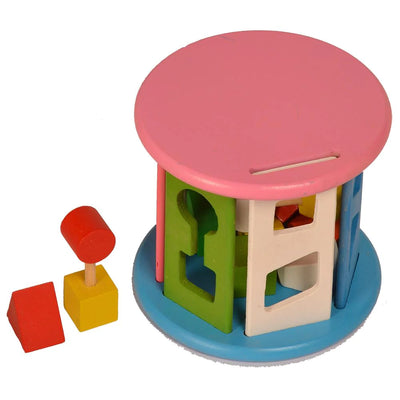
Consider introducing practical life activities, such as helping with simple household chores like sweeping or setting the table, which foster concentration and a sense of responsibility. Sensory play, using materials like sand, water, or playdough, offers rich tactile experiences that stimulate brain development and creativity. High-quality Montessori educational toys like the Pink Tower for understanding dimensions or sandpaper letters for pre-reading skills provide purposeful engagement that screens simply cannot replicate.
Creating a Screen-Conscious Home Environment in India
Navigating screen time in an Indian household, especially with extended family and varying viewpoints, requires thoughtful strategies. Start by establishing clear screen time rules, perhaps allowing zero screen time for children under two years, as recommended by leading health organisations. For older toddlers, limit it to high-quality, educational content for short, supervised periods, ideally co-viewed with a parent.
Designate screen-free zones and times, such as during meals or an hour before bedtime, to promote better sleep and family interaction. Encourage grandparents to engage children in traditional storytelling, outdoor games, or helping in the kitchen, rather than relying on digital entertainment. Remember, every moment spent away from a screen is an opportunity for real-world discovery and connection, fostering holistic development for your child.
What did the AIIMS study on screen time and autism signs conclude?
The AIIMS study concluded that infants and toddlers with more than 60 minutes of daily screen time exhibit a significantly higher prevalence of autism spectrum disorder (ASD) risk signs by the age of three years. This research highlights screen exposure as a potential contributing factor to early developmental challenges in India.
How does early screen exposure impact a child's brain development?
Early screen exposure can disrupt critical periods of brain development, particularly affecting areas responsible for language, social interaction, and attention. It can lead to reduced opportunities for essential real-world experiences, hindering the formation of crucial neural connections and skill acquisition.
What are some common autism signs to watch for in toddlers?
Common autism signs in toddlers include limited eye contact, lack of response to their name, delayed speech or loss of words, repetitive behaviours, and difficulty with social interactions like sharing or imaginative play. Early recognition and intervention are vital for supporting development.
What are effective Montessori alternatives to screen time for toddlers?
Effective Montessori alternatives include practical life activities like pouring water or dressing themselves, sensory play with materials like sand or water, and engaging with educational toys that promote hands-on exploration. These activities foster concentration, independence, and fine motor skills without digital stimulation.
At what age is screen time considered safest, according to experts?
Child development experts, including the American Academy of Pediatrics, recommend no screen time for children under 18-24 months, except for video chatting with family. For children aged 2-5, limited screen time (around one hour per day) for high-quality educational content, co-viewed with a parent, is suggested.