Daily Routines for Healthy Habits Kids: Beyond Campaigns
Implementing consistent daily routines for healthy habits kids is crucial for their long-term well-being, especially after national awareness campaigns fade. By establishing predictable patterns for meals, sleep, and physical activity, Indian parents can empower children to build self-sustaining healthy lifestyles that extend far beyond fleeting national initiatives like National Nutrition Week or Rashtriya Poshan Maah. These routines provide the necessary structure and independence for children to internalize healthy choices.
What are daily routines for healthy habits? These are consistent, predictable schedules for a child's essential daily activities, including meals, sleep, and physical play. This structure matters because it provides a sense of security, fosters independence, and naturally integrates wellness into a child's life. Indian parents can begin by identifying key daily touchpoints and gradually introducing age-appropriate routines.
Shaping Healthy Habits in Childhood Through Predictable Structure
Creating a structured daily environment is foundational for shaping healthy habits in childhood. Child development experts, including Dr. Maria Montessori, consistently highlight the profound impact of order and predictability on a child's development. A consistent routine provides a sense of security, allowing children to anticipate events and build confidence in their environment. This internal sense of order is a precursor to self-discipline.
For a 3-year-old in a Bangalore joint family, knowing that breakfast follows waking up, and outdoor play comes after afternoon rest, helps them regulate their emotions and participate actively. Research from the American Academy of Pediatrics indicates that predictable routines reduce stress and anxiety in children, leading to better emotional regulation and improved sleep patterns. This stability is even more vital in bustling Indian households, often navigating school pressures, festivals, and varied family schedules.
Morning Rituals: Fueling the Day
A consistent morning routine sets a positive tone. Begin with a fixed wake-up time, allowing for a relaxed start rather than a rushed scramble. Follow this with a nutritious, culturally appropriate breakfast – perhaps a warm bowl of poha, idli, or a wholesome paratha with fresh curd. Involve your child, even a toddler, in simple tasks like picking out their clothes or helping to set the table, fostering a sense of contribution and independence.
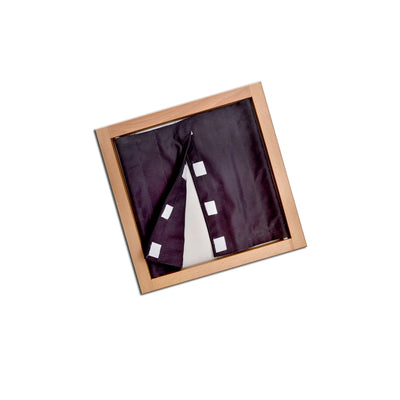
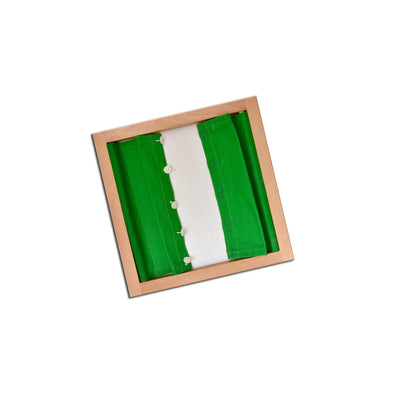
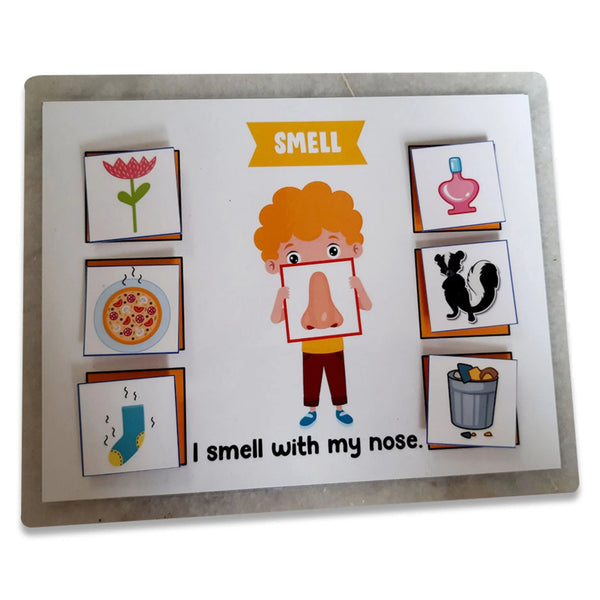
As they grow, encourage them to pack their own healthy school snack, like sliced fruit or a handful of almonds, rather than relying on packaged foods. Engaging children with hands-on learning through Montessori activity kits can also prepare their minds for the day, stimulating their cognitive abilities before school begins.
Mindful Mealtimes: More Than Just Food
Family mealtimes are crucial opportunities for connecting and reinforcing healthy eating. Studies show that children who regularly eat with their families tend to have better nutritional intake and fewer behavioural issues. Make these moments screen-free, allowing for conversation and attention to the food itself. Encourage children to try a variety of seasonal Indian vegetables and fruits, making it a game to identify colours or textures.
Montessori principles advocate for children serving themselves from common dishes, using child-sized utensils. This not only builds fine motor skills but also teaches portion awareness and respect for food. This approach is key to sustaining healthy habits children India, as it moves beyond parental enforcement to internalised choice.
Sustaining Healthy Habits Children India: The Post-Campaign Blueprint
National initiatives like the 9th Rashtriya Poshan Maah or National Nutrition Week 2026 are excellent for raising awareness, but the challenge lies in maintaining momentum long after the campaigns conclude. The true blueprint for sustainable health lies in daily, consistent efforts embedded within the family's lifestyle. This requires parental consistency and adapting strategies to fit the unique cultural nuances of Indian life.
Address potential hurdles head-on: the allure of festival sweets, peer pressure for junk food, or well-meaning grandparents offering extra treats. Instead of outright banning, focus on moderation and offering healthier alternatives. For instance, during Diwali, involve children in making homemade, less-sugary ladoos or chikkis. Educate and empower children with knowledge about food, rather than simply dictating choices.
The Role of Physical Activity and Play
In urban India, finding space for physical activity can be challenging, yet it's non-negotiable for a child's health. Child development experts recommend at least 60 minutes of moderate-to-vigorous physical activity daily for children aged 6 and above, and active play throughout the day for younger children. Prioritise daily outdoor play, even if it's just a short session at a nearby park or society garden.
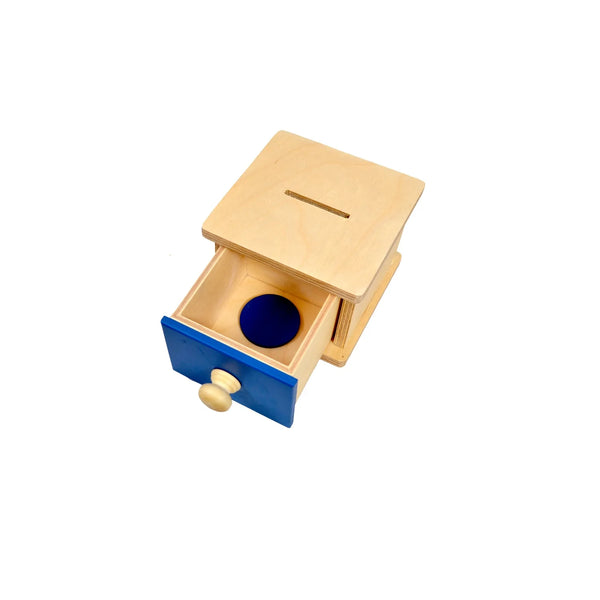
For indoor days, encourage active games, simple yoga poses, or creating obstacle courses with pillows. Limit passive screen time significantly, and instead, offer engaging Montessori learning materials and toys that promote active, imaginative play and fine motor development, such as building blocks or puzzles, which keep both mind and body engaged.
Rest and Rejuvenation: The Bedtime Sanctuary
Quality sleep is as vital as nutrition and activity. Establish a consistent bedtime routine, starting with a wind-down period free of screens and stimulating activities. A warm bath, a quiet story time (perhaps a traditional Indian folk tale), or soft music can signal to the child's body that it's time to rest. Ensure the bedroom is dark, quiet, and cool.
A well-rested child is better equipped to learn, regulate emotions, and make healthy choices throughout the day. The National Sleep Foundation recommends 10-13 hours of sleep for preschoolers (3-5 years) and 9-12 hours for school-aged children (6-12 years). Prioritising sleep helps cement all other healthy habits.
Montessori Daily Routine Healthy Lifestyle: Empowerment Through Choice
At the heart of a Montessori daily routine healthy lifestyle is the concept of empowering children through choice and independence. Instead of dictating, create an environment where healthy choices are readily available and appealing. This 'prepared environment' extends beyond the classroom to the home, ensuring that children can access water, healthy snacks, and age-appropriate tools for self-care.
For example, have a fruit bowl at child height, keep a water jug and small cup easily accessible, and provide a low shelf for their outdoor shoes. Offer choices within boundaries, such as "Would you like an apple or a banana for your evening snack?" This approach fosters a sense of agency, making children active participants in their own health journey rather than passive recipients of rules. By internalizing these practices, children develop self-discipline and lifelong wellness habits.