Homeschooling Curriculum India: Healthy Habits with Montessori
For parents designing a homeschooling curriculum India-wide, integrating robust healthy habits and sound nutrition is paramount for a child's holistic development. This approach goes beyond academics, ensuring children learn self-care, make informed food choices, and establish routines that foster physical and mental well-being from an early age, especially using Montessori principles.
A holistic Indian homeschooling curriculum thoughtfully combines academic learning with practical life skills, physical activity, and emotional development. This matters because it prepares children not just for exams, but for life, fostering self-sufficiency and well-being. Indian parents can achieve this by consciously integrating daily chores, healthy meal preparation, and structured play into their homeschooling schedule.
Montessori at Home India: Fostering Independence for Healthy Habits
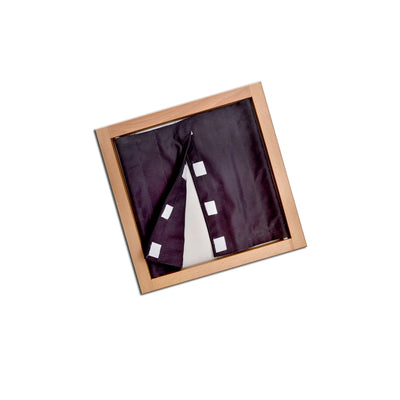
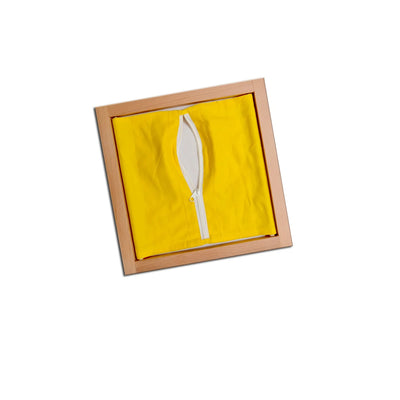
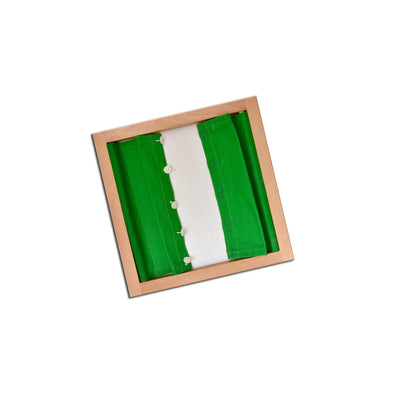
Many Indian parents exploring Montessori at home India often focus on academic subjects like language and mathematics. However, the core of Montessori education lies in Practical Life activities, which are inherently designed to cultivate independence, concentration, and self-care skills. Think of a 4-year-old, Aarya, in Bengaluru, carefully pouring water without spilling, or scrubbing a tiny table – these aren't just chores, but foundational exercises for future healthy habits.
Child development experts, including those at the Harvard Center on the Developing Child, emphasize that early childhood experiences significantly shape lifelong health and well-being. By engaging children in tasks like dressing themselves, tidying their space, or personal hygiene with age-appropriate tools, they gain a sense of agency. This mastery translates directly into a willingness to manage their own health routines effectively.
These activities teach control of movement, fine motor skills, and an understanding of sequences, all critical for independent healthy living. Explore our Montessori method learning materials to see how simple tools can empower your child's journey towards self-sufficiency.
Nutrition for Homeschooling Kids: Hands-On Learning from Kitchen to Table
Integrating nutrition education into your homeschooling curriculum India means moving beyond textbooks to tangible experiences. As India observes initiatives like Rashtriya Poshan Maah, the emphasis on childhood nutrition is clearer than ever. Involving children like 6-year-old Rohan in Mumbai in meal preparation, from washing vegetables for dal to kneading dough for rotis, transforms a chore into a multi-sensory learning experience.
This hands-on approach teaches them about ingredients, where food comes from, and the effort involved in preparing a meal. The Indian Academy of Pediatrics (IAP) consistently highlights the critical role of balanced nutrition and active lifestyles in preventing childhood non-communicable diseases. When children participate, they are more likely to try new foods and understand the link between food and energy.
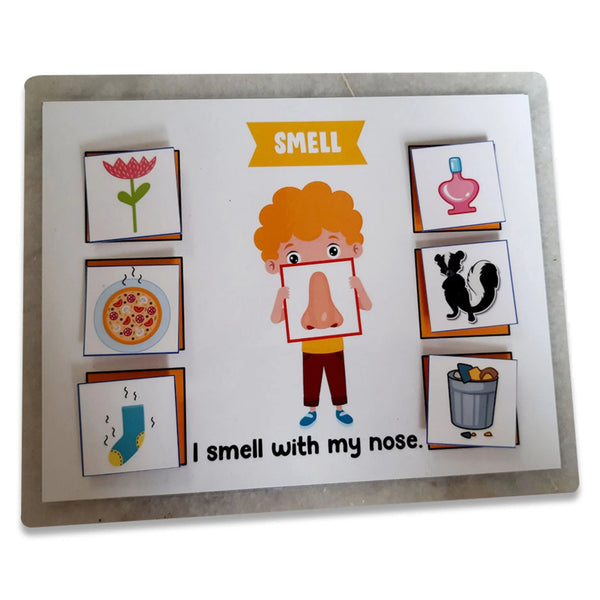
Utilise activity kits focused on food groups, healthy vs. unhealthy sorting, or even a child-sized cutting board and safe knife to chop soft fruits. This engagement makes learning about healthy eating practical and enjoyable, laying the groundwork for mindful food choices throughout their lives.
Building Healthy Habits for Homeschooled Children: The Power of Routine
For healthy habits for homeschooled children to flourish, a predictable daily routine is non-negotiable. While homeschooling offers flexibility, a lack of structure can disrupt sleep patterns, meal times, and physical activity, impacting a child's overall health. Consider incorporating a visual schedule that includes time for academics, outdoor play, quiet reflection, and essential self-care tasks.
For example, ensure a consistent bedtime and wake-up time, even on weekends, to regulate their circadian rhythm. Schedule regular outdoor time in a park or even on a balcony for fresh air and movement, which can often be overlooked in urban Indian settings. The age-old tradition of a dadi's oil massage, often dismissed as mere custom, is in fact a powerful form of proprioceptive input that Western therapists now recognise for its role in infant self-regulation and body awareness.
Limiting screen time and encouraging independent play with open-ended materials helps prevent sedentary habits and fosters creativity. This structured freedom allows children to internalise healthy patterns without feeling overly constrained.
Choosing Educational Toys for Homeschooling: Beyond Academics
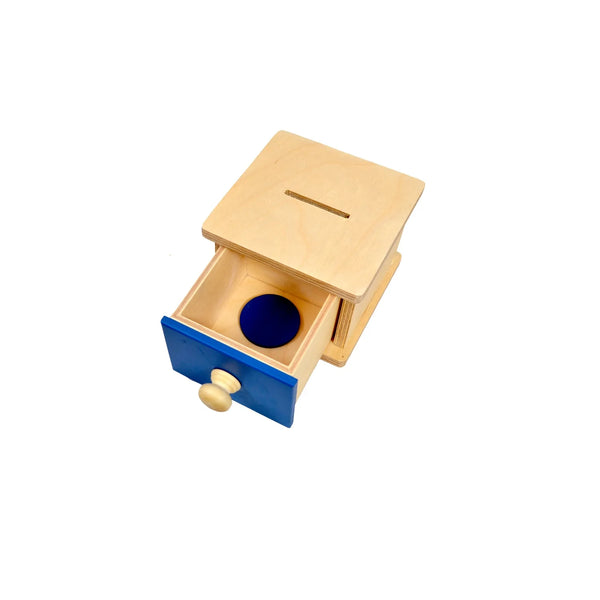
When selecting educational toys for homeschooling, consider how they can indirectly support health and wellness. For instance, fine motor skill toys like bead stringing or puzzles improve dexterity, which is useful for tasks like buttoning shirts or using cutlery correctly. Gross motor toys, even simple large blocks or a balance board, encourage physical activity indoors, crucial for children in smaller flats.
Sensory materials, from textured balls to scented playdough, not only stimulate development but can also be calming, aiding emotional regulation – a vital component of mental health. These toys are not just for academic learning; they build practical competence and body awareness. For instance, a child playing with stacking rings develops hand-eye coordination that aids in portion control during meals later on.
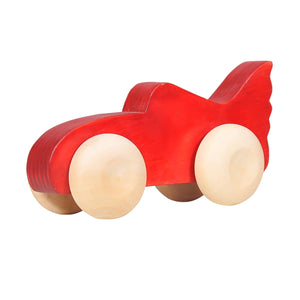
Choose toys that encourage active engagement over passive consumption. Wooden blocks, for example, might seem 'boring' to some, but they demand imagination and problem-solving, leading to stronger cognitive skills than many electronic toys that dictate the play.
Indian Homeschooling Resources: Community and Cultural Integration
Leveraging Indian homeschooling resources extends beyond books and toys to include the rich cultural and community fabric. Grandparents, for instance, can be invaluable teachers of traditional wisdom, from storytelling that promotes emotional literacy to sharing family recipes that highlight seasonal and local produce, directly impacting a child's nutritional awareness.
Festivals offer perfect opportunities to discuss healthy choices and moderation in celebration, rather than just indulgence. Involve children in planning festival meals, sourcing fresh ingredients from local markets, and understanding the significance of balanced offerings. Research shows that children who are actively involved in family traditions and community life often develop a stronger sense of identity and well-being.
Connecting with other homeschooling families, perhaps through online forums or local meet-ups in cities like Bengaluru, can provide a support network for sharing tips on integrating healthy habits, managing screen time, and fostering an active lifestyle in the unique Indian context.
By thoughtfully weaving practical life skills, hands-on nutrition education, and consistent routines into your Indian homeschooling curriculum, you empower your child with more than just academic knowledge. You equip them with the tools for lifelong health, independence, and a balanced lifestyle. Start today by observing your child's natural curiosities and finding ways to integrate healthy choices into every aspect of their learning.