Montessori Healthy Habits: Nutrition & Active Play for Kids
Nurturing strong Montessori healthy habits from an early age is crucial for a child's holistic development, offering a definitive pathway to combat prevalent health challenges in India. This approach empowers children to make conscious choices about nutrition and active play, fostering independence and well-being. Indian parents can effectively implement these principles by creating an enabling home environment.
As experts warn of a 'do or die' childhood obesity crisis at events like the Times Network India Health Summit 2026, and initiatives like Sesame Workshop and Abbott launch programs for healthy habits in children, the need for effective strategies is paramount. This guide provides a practical, Montessori-inspired framework for parents to cultivate lifelong wellness in their children, right here in our Indian homes.
What are Montessori Healthy Habits?
Montessori healthy habits integrate independence, practical life skills, and purposeful movement into a child's daily routine, promoting physical and mental well-being. This matters because it cultivates self-regulation and a positive relationship with health from childhood, essential in today's fast-paced world. Indian parents can embrace this by offering choices and opportunities for self-care, like setting up a child-friendly snack station or encouraging outdoor play.
Fostering Montessori Nutrition for Kids: Empowering Choices
Developing healthy eating patterns is fundamental, and the Montessori approach offers a powerful framework. Research consistently shows that early exposure to diverse, healthy eating significantly reduces the risk of childhood obesity. By involving children in the process, we empower them to become active participants in their own nutrition journey.
This method acknowledges that children are capable learners, even in areas like food choices. Instead of imposing rules, we guide them through exploration and practical experience. This not only builds good habits but also fosters a respectful and joyful relationship with food, crucial in a diverse culinary landscape like India's.
Montessori Eating Habits Through Practical Life Skills Food
The kitchen is a vibrant learning laboratory for Montessori practical life skills food. From around 18-24 months, children can begin helping with simple tasks like washing vegetables, tearing lettuce, or stirring batter. These activities develop fine motor skills, concentration, and a sense of contribution, which is deeply valued in joint Indian families.
Studies indicate that children involved in food preparation are more likely to try new foods and develop positive eating habits. Consider introducing child-sized tools and safe areas where they can independently prepare simple snacks like fruit chaat or pour their own water. Such opportunities, supported by practical life activity kits, build confidence and promote healthier choices.
A Montessori Approach to Picky Eating
Picky eating is a common concern for Indian parents, often leading to mealtime battles. The Montessori approach to picky eating shifts the focus from coercion to empowerment. Instead of forcing, offer a few healthy options in small, appealing portions, allowing the child to choose what and how much they want to eat.
Remember, a child's appetite varies, and pressuring them can create negative associations with food. Scientists reveal that factors like repeated exposure and a calm environment influence children's willingness to eat vegetables. In a Montessori setting, parents model healthy eating, involve children in growing herbs or vegetables, and respect their natural hunger cues. This patient, non-judgmental method helps reduce mealtime stress for everyone, from children to their grandparents.
The Power of Montessori Active Play for Wholesome Growth
Active play is not just fun; it's essential for a child's physical, cognitive, and emotional development. The Montessori philosophy strongly advocates for freedom of movement and self-directed physical activity. This aligns perfectly with the need for increased physical activity, especially as screen time becomes more prevalent in Indian households.
Montessori active play focuses on purposeful movement that strengthens muscles, improves coordination, and enhances concentration. It moves beyond structured sports, emphasizing exploration and interaction with the natural world. This holistic approach ensures children develop a positive relationship with movement, laying the foundation for a physically active lifestyle.
Creating an Environment for Movement
Just as a prepared environment facilitates learning indoors, it's vital to create spaces for movement. This means safe, open areas where children can run, jump, climb, and explore freely. For Indian families, this might mean utilizing balconies, terraces, local parks, or even open areas within the home for spontaneous play.
Child development experts agree that unstructured outdoor play is vital for gross motor skill development, problem-solving, and emotional regulation. Provide opportunities for activities like balancing on a low beam, carrying water, or tending to a small garden. These experiences are just as valuable as academic lessons and contribute significantly to overall well-being.
Educational Toys for Healthy Lifestyle
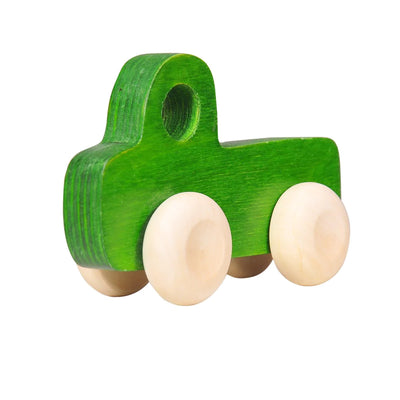
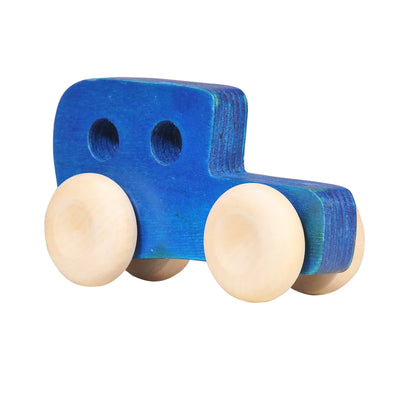
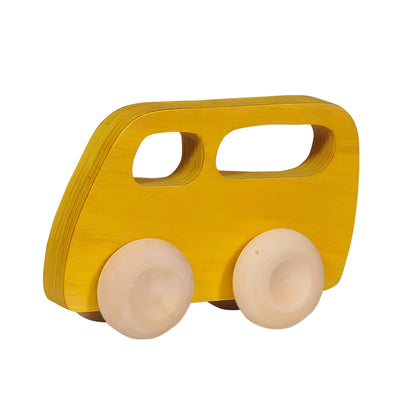
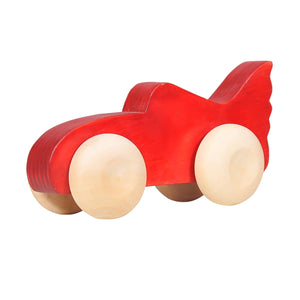
SkilloToys.com offers a range of Montessori learning materials and open-ended educational toys that naturally encourage an active and healthy lifestyle. Think beyond electronic gadgets and consider toys that promote movement, problem-solving, and imaginative play. Simple wooden blocks, climbing triangles, push-and-pull toys, and gardening tools all align with this philosophy.
These materials invite children to engage physically and mentally, developing strength, coordination, and an understanding of the world around them. When selecting toys, prioritize those that allow for independent exploration and foster intrinsic motivation, rather than passive entertainment. This supports the development of crucial physical skills and a lifelong love for movement.
Integrating Montessori Principles into Daily Indian Life
Embracing Montessori healthy habits doesn't require a complete overhaul of your lifestyle; it's about making conscious choices and adjustments that resonate with our cultural values. From sharing cooking duties during festivals to encouraging outdoor games with cousins, the principles of independence, respect, and practical engagement can be woven into the fabric of Indian family life.
Remember that grandparents often play a significant role in childcare. Educating them about offering choices and respecting a child's pace, rather than overfeeding or restricting movement, can ensure consistency. By creating a collaborative and understanding environment, every family member can contribute to fostering a healthy, balanced lifestyle for the child, preparing them for the pressures of school and modern life.
- Montessori healthy habits definitively empower children to make conscious, healthy choices.
- Involving children in food preparation significantly increases their willingness to try new foods.
- The Montessori approach to picky eating focuses on choice and a respectful mealtime environment, reducing power struggles.
- Unstructured, self-directed active play is critical for a child's holistic physical and cognitive development.
- Educational toys that promote movement and problem-solving align with cultivating a healthy, active lifestyle.
- Consistent integration of these principles across family members, including grandparents, reinforces positive habits.
How does Montessori encourage healthy eating habits?
Montessori encourages healthy eating by involving children in food preparation, offering choices, and creating a respectful environment around meals. This fosters independence and a positive relationship with food, reducing pickiness.
What is the role of active play in the Montessori philosophy?
Active play in Montessori is seen as crucial for physical development, concentration, and problem-solving skills. It emphasizes unstructured, self-directed movement, often outdoors, using the child's natural inclination to explore and learn.
Can Montessori principles help with picky eaters?
Yes, the Montessori approach can significantly help with picky eaters by empowering children with choices, involving them in the process, and making meal times respectful and calm. This reduces power struggles and increases willingness to try new foods.
What age is best to introduce Montessori healthy habits?
Montessori healthy habits can be introduced from infancy, with an emphasis on creating a prepared environment and fostering independence as soon as a child can express choices. Toddlerhood (18-24 months) is ideal for practical life skills like pouring or serving.
How can Indian parents integrate Montessori nutrition at home?
Indian parents can integrate Montessori nutrition by involving children in meal preparation, setting up child-accessible snack stations, offering balanced choices, and eating together as a family. This fosters a culturally rich and healthy eating experience.