Board Games for Kids: DIY Family Fun & Learning
Embracing hands-on creativity is a fantastic way to enrich childhood, and creating your own board games for kids at home is an activity that promises endless fun and significant developmental benefits. This definitive guide will empower Indian parents to transform simple household items into engaging, educational adventures, fostering creativity, problem-solving, and cherished family moments.
DIY board games are custom-made interactive activities using readily available materials like cardboard, paper, and crayons, designed to engage children in imaginative play and learning. This matters because they foster cognitive development, fine motor skills, and social interaction in a screen-free environment. Indian parents can easily make these to provide enriching, personalised educational experiences during school holidays or daily playtime.
Why Make Your Own Board Games for Kids? A Montessori Approach to Family Fun
Making your own board games offers a unique blend of learning and leisure, perfectly aligning with Montessori principles of hands-on, self-directed exploration. Child development experts agree that engaging in creative construction, like designing activity kits from scratch, significantly boosts a child's problem-solving abilities and spatial reasoning. This process empowers children to take ownership of their play.
Studies indicate that children engaged in creative play develop stronger executive functions, including planning and working memory. For Indian families, especially those with joint family structures, homemade board games become a wonderful intergenerational activity. Grandparents can share stories while crafting game pieces, and cousins can collaborate on game rules, strengthening family bonds and cultural narratives.
Getting Started: Essential Supplies for Homemade Board Games
Creating engaging homemade board games doesn't require expensive materials; often, the best supplies are already in your home. Gather items like sturdy cardboard from old boxes, chart paper, colourful markers, crayons, scissors (child-safe, of course!), glue, and small trinkets for game tokens. Old bottle caps, pebbles, or even dried beans make excellent counters.
Encourage children to select materials, fostering decision-making and a sense of involvement from the outset. This initial setup phase is an opportunity to refine fine motor skills through cutting, gluing, and drawing, preparing them for the intricate work that Montessori education values. The process itself becomes a valuable learning experience.
Creative Ideas: Make Your Own Board Games for Kids
The beauty of DIY is the freedom to customise. Here are some inspiring ideas to help you make your own board games that are both fun and educational:
- The Story Path Game: Create a winding path on cardboard. At each stop, have a picture or a word. Players roll a dice and advance, then use the picture/word to add to a collaborative story. This boosts language skills and imagination.
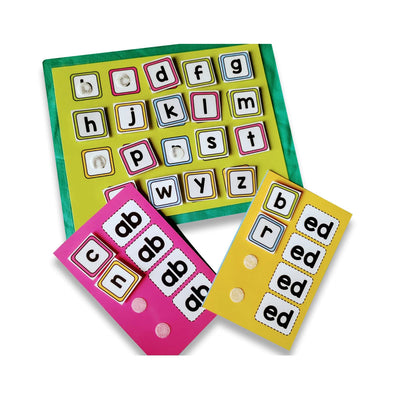
- Alphabet/Number Safari: Design a jungle or city trail. Each square features a letter or number. Players must identify it, say a word starting with the letter, or perform an action corresponding to the number. Ideal for early literacy and numeracy.
- Emotion Charades Board: Draw different facial expressions or emotion words on squares. When a player lands on one, they must act out that emotion. This helps children develop emotional intelligence and empathy.
- Chore Challenge Game: Make a game where landing on certain squares means performing a simple household chore or helping a family member. It subtly teaches responsibility and teamwork.
Remember, the simpler the concept, the easier it is for young children to grasp and for you to create. Focus on themes that resonate with your child's interests, perhaps incorporating elements from Indian festivals or local wildlife.
Designing Educational Board Games for Kids: The SkilloToys Approach
Integrating learning into your homemade games is simple and incredibly effective. When designing educational board games for kids, think about specific skills you want to foster. For children aged 3-6 years, focus on foundational concepts like colour recognition, shape sorting, basic counting, or simple pattern completion. For instance, a 'colour matching' game where players move to the next square that matches the colour rolled on a custom dice is perfect.
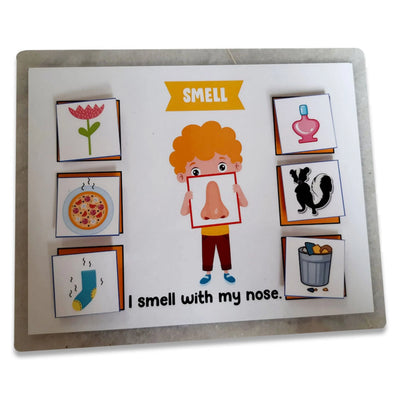
Maria Montessori's philosophy emphasises learning through purposeful work and self-correction. Design your games with clear rules and immediate feedback, allowing children to understand their progress. For inspiration, consider how Montessori materials, like the geometric solids or bead chains, encourage discovery. Explore SkilloToys' range of Montessori method learning materials and toys for ideas on structured, hands-on learning that can be adapted to your DIY projects.
Research consistently shows that play-based learning, particularly with tangible materials, can improve academic outcomes by up to 20% compared to traditional methods for young learners. This highlights the profound impact that well-designed, educational board games can have on a child's development, providing a fun alternative to rote learning.
Beyond the Game Board: The Joy of DIY Family Games
The true value of DIY family games extends far beyond the finished product. It lies in the shared experience of creation and play. In India, where family gatherings and festivals are central, these homemade games can become new traditions. Imagine a Diwali-themed game or a board game celebrating local Indian heroes for Independence Day, echoing the spirit of engagement seen in initiatives like Funskool India's DIY craft ranges.
These activities offer a powerful antidote to excessive screen time, providing a rich, interactive alternative that stimulates minds and strengthens emotional connections. Encouraging children to conceptualise, design, and even troubleshoot their games nurtures vital life skills like resilience and creative thinking. It's about building memories, fostering collaboration, and seeing the world as a canvas for imagination, much like the journey of play-based learning advocated by ventures such as ThinkWittsy.
Embracing the world of DIY board games is a journey into boundless creativity and enriching family moments. You're not just making a game; you're crafting an experience, building skills, and forging stronger bonds. So gather your family, unleash your inner artists, and start creating your next favourite family pastime today!
- DIY board games boost creativity and problem-solving skills in children.
- Making homemade games uses readily available materials, promoting sustainability.
- These activities align with Montessori principles, encouraging self-directed learning.
- Family game creation strengthens bonds and offers a screen-free entertainment option.
- Customised DIY games can target specific educational goals for individual children.
- Research indicates play-based learning significantly improves academic outcomes.
What materials are best for homemade board games?
The best materials for homemade board games are often found around the house, including cardboard, chart paper, markers, old bottle caps for tokens, and dried beans or pebbles. Repurposing these items promotes creativity and teaches children about sustainability.
How do DIY board games support Montessori learning?
DIY board games support Montessori learning by encouraging self-directed play, hands-on exploration, and concentration. They allow children to engage with concepts at their own pace, fostering independence and a love for learning through tangible interaction, much like specific Montessori materials such as the Pink Tower or Sandpaper Letters.
Can I make educational board games for kids of different ages?
Yes, you can absolutely make educational board games for kids of different ages by adjusting the complexity of rules and learning objectives. For younger children (3-6 years), focus on simple colour matching or number recognition; for older kids (6+ years), incorporate math problems, spelling challenges, or strategic thinking.
How do DIY family games reduce screen time effectively?
DIY family games effectively reduce screen time by offering an engaging, interactive, and collaborative alternative that captures children's interest. The hands-on process of creating the game itself, followed by playing it together, provides a rich experience that screens cannot replicate, fostering deeper connections and active participation.
What are some simple ideas for my first homemade board game?
For your first homemade board game, consider a simple 'path' game like Snakes and Ladders, but with custom challenges or questions at each square. Alternatively, a memory matching game with hand-drawn pictures or a 'story cube' game using dice with different pictures are easy and fun starting points.