DIY Boredom Busters for Kids: Quick Activities at Home
DIY boredom busters for kids are simple, creative projects that transform idle moments into engaging learning experiences, effectively combating the common 'I'm bored' refrain from children across Indian homes. These quick activities offer immediate solutions, turning everyday materials into opportunities for imaginative play and skill development, providing much-needed screen-free engagement.
DIY boredom busters are imaginative, hands-on activities crafted from everyday materials. This approach is vital for fostering creativity and problem-solving skills in children. Indian parents can empower their kids by providing readily available resources and guidance for these engaging projects.
Why DIY Boredom Busters are Essential for Indian Children
Child development experts consistently highlight the critical role of unstructured play in a child's growth. Studies indicate that children who engage in hands-on, creative activities demonstrate enhanced cognitive flexibility and better emotional regulation. In Indian households, where children often face academic pressures, these easy DIY kids activities offer a crucial balance, ensuring holistic development beyond textbooks.
Maria Montessori, a pioneer in child education, emphasized the importance of a prepared environment that allows children to explore and learn independently. DIY activities perfectly align with this philosophy, empowering children to create and discover using simple items from their own surroundings. This fosters a sense of agency and builds self-reliance from a young age.
Quick & Creative Crafts from Around the Home
Transforming ordinary household items into extraordinary play is at the heart of creative play at home. Look around your home for potential craft supplies. Old newspapers, discarded fabric pieces, bottle caps, and even dry leaves collected during a walk can become components for a masterpiece. These projects require minimal setup and offer maximum engagement for your little ones.
One fantastic idea is creating 'story stones.' Gather smooth pebbles, and with permanent markers, draw simple characters, objects, or emotions on them. Children can then pick a few stones and weave an imaginative story, enhancing their language and narrative skills. Another quick activity for bored kids involves making paper bag puppets – perfect for impromptu puppet shows, a favourite among many joint families in India.
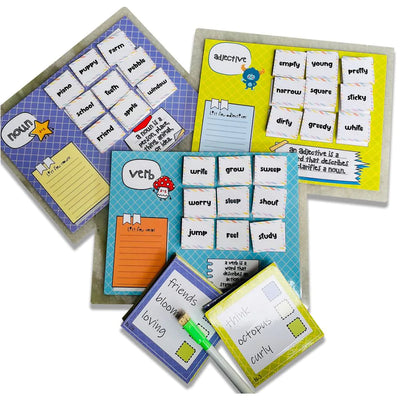
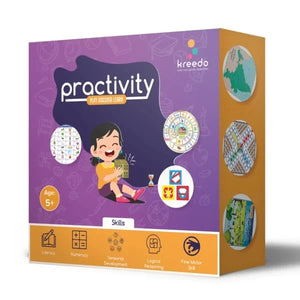
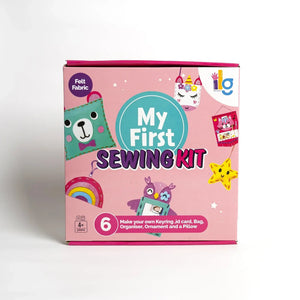
For more structured craft sessions, consider exploring activityKits. These kits often provide all necessary materials and instructions, making them an excellent starting point for parents new to DIY or looking for themed projects. They are designed to stimulate creativity and provide a sense of accomplishment.
Engaging Sensory & Fine Motor Play Ideas
Sensory play is fundamental for early childhood development, helping children understand the world through touch, sight, smell, and sound. Creating a simple 'sensory bin' with rice, beans, pasta, and small scoops or cups provides hours of exploration. Adding spices like cinnamon or cardamom offers a rich olfactory experience, connecting children to familiar Indian aromas.
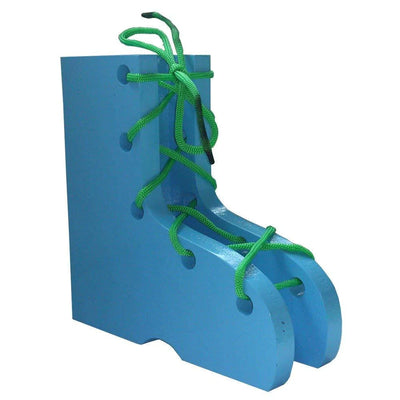
Fine motor skills, essential for writing and self-care, are naturally developed through manipulating small objects. A 'threading station' using old buttons and shoelaces, or a 'bead sorting' activity with various pulses from the kitchen, can significantly boost dexterity. These are wonderful screen-free engagement ideas that also teach focus and patience.
For parents looking to specifically enhance these crucial skills, SkilloToys offers a range of fineMotor toys designed to support precise hand-eye coordination and finger strength. Incorporating these alongside DIY activities creates a comprehensive approach to developmental play.
Building Worlds: Imagination & Problem-Solving
When children ask, 'what to do when kids are bored?', the answer often lies in empowering their imagination. Fort building, for instance, transforms blankets, chairs, and pillows into a secret hideaway, a spaceship, or a bustling market. This encourages spatial reasoning, planning, and collaborative play, especially when siblings or grandparents join in.
Creating 'play dough' from flour, salt, water, and food colouring is another excellent DIY boredom buster. It's a versatile medium for sculpting, rolling, and cutting, fostering creativity and providing a calming sensory experience. Add a dash of turmeric or beetroot powder for natural, vibrant colours, celebrating Indian traditions.
These activities move beyond mere entertainment, becoming opportunities for problem-solving. Children learn to adapt materials, overcome challenges, and express their unique ideas. Such open-ended play is championed by educational philosophies worldwide as a cornerstone for developing critical thinking, preparing children for future academic and life challenges.
Making DIY a Habit: Tips for Indian Parents
Integrating DIY boredom busters into daily routines doesn't have to be complicated. Start by dedicating a 'creativity corner' or a designated box for craft supplies, making materials easily accessible. Involve your children in gathering these items, teaching them responsibility and resourcefulness. Remember, the process is often more important than the final product.
Leverage everyday moments. While cooking, involve children in simple tasks like sorting vegetables or kneading dough – these are practical fine motor exercises. During festivals, engage them in making decorations from scratch, fostering a connection to cultural heritage. Grandparents can share traditional crafts or storytelling, bridging generations through creative engagement.
Research from UNICEF highlights that play-based learning activities are crucial for children aged 3 to 10, significantly boosting their cognitive and social-emotional skills. By consistently offering creative play at home, Indian parents are not just busting boredom; they are actively nurturing well-rounded, imaginative, and resilient individuals. Explore our main collection for more inspiration on enriching your child's learning environment.
- DIY boredom busters for kids combat 'I'm bored' by offering quick, creative solutions.
- These activities enhance creativity, problem-solving, and fine motor skills through hands-on engagement.
- Everyday household items are easily transformed into valuable craft and play materials.
- Screen-free engagement ideas like sensory bins and fort building promote holistic child development.
- Involving children and family in DIY fosters stronger bonds and cultural connection in Indian homes.
- Consistent access to creative play significantly boosts cognitive and social-emotional growth, as emphasized by child development experts.
What are DIY boredom busters for kids?
DIY boredom busters for kids are engaging, hands-on activities crafted from readily available household items. These projects transform everyday objects into tools for creative play, offering children immediate and constructive outlets for their energy and imagination.
How do DIY activities help with child development?
DIY activities are crucial for fostering creativity, problem-solving skills, and fine motor development. They encourage independent thinking and decision-making, while also providing a sense of accomplishment that builds confidence in young children.
What age group are these DIY activities suitable for?
These quick activities for bored kids are generally suitable for children aged 3 to 10 years, with variations for complexity. Parents can adapt projects to suit younger children (18-36 months) with more supervision, focusing on sensory exploration and simple manipulation of materials.
How can I encourage my child to participate in DIY projects?
Encourage participation by involving children in the idea generation and material gathering process. Offer choices, praise effort over perfection, and participate alongside them occasionally to model enthusiasm. Make it an invitation to play, not a chore.
Are these DIY activities truly screen-free engagement ideas?
Yes, these activities are specifically designed as screen-free engagement ideas, providing tangible, interactive experiences that stimulate the senses and cognitive functions in ways digital screens cannot. They encourage real-world interaction and creativity.