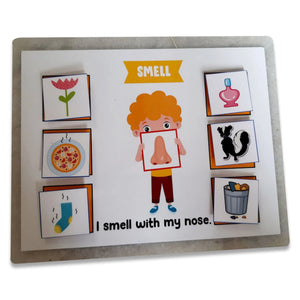
DIY Educational Toys: Montessori Creations for Kids at Home
Creating DIY educational toys at home is a powerful way for Indian parents to foster their child's development through engaging, hands-on learning experiences. These homemade tools, often inspired by Montessori principles, provide cost-effective and personalized alternatives to store-bought options, directly supporting cognitive and motor skill growth. This approach aligns perfectly with the hands-on spirit of Indian parenting and helps build a strong bond between parents and children.
As we navigate a world increasingly focused on screen time, finding creative indoor summer activities for kids and parents, as suggested by The Better India, becomes paramount. Crafting DIY learning toys fits perfectly into this need, transforming everyday materials into instruments of wonder and learning. It’s also a thoughtful way to make occasions like Children’s Day truly special for your little ones, offering gifts made with love.
What are DIY Educational Toys?
DIY educational toys are self-made learning materials designed to stimulate a child's cognitive, physical, and emotional development using readily available household items. This matters because it empowers parents to create tailored learning tools specific to their child’s needs and interests. Indian parents can easily craft these engaging items, promoting purposeful play and skill acquisition without significant expense.
These creations move beyond simple playthings, purposefully designed to teach a specific skill or concept. They are often open-ended, encouraging children to explore, experiment, and learn at their own pace. Child development experts agree that hands-on engagement is crucial for early learning, and homemade educational toys provide exactly that.
The Profound Benefits of Crafting Homemade Learning Tools
Making homemade educational toys offers numerous advantages for both children and parents. Studies indicate that children who engage with purpose-built learning materials develop stronger problem-solving skills and a greater sense of independence. This process fosters a deeper understanding of concepts than passive learning.
Furthermore, crafting these toys together strengthens family bonds. Imagine grandparents, parents, and children in a joint family collaborating on a DIY project – it’s a beautiful way to pass down traditions and create lasting memories. It also provides a wonderful alternative to screen time, encouraging creativity and focus, which are vital skills in today's fast-paced world.
Integrating Montessori Principles into Your DIY Creations
Maria Montessori's philosophy emphasizes self-directed activity, hands-on learning, and collaborative play, making it ideal for DIY projects. When you create Montessori toys DIY, you are focusing on simplicity, natural materials, and activities that allow children to discover and learn independently. This approach ensures the toys are not just fun but profoundly educational.
For instance, traditional Montessori materials like the Pink Tower or Sandpaper Letters are designed with a specific purpose, often isolating one concept for the child to master. While replicating these exactly can be challenging, we can adopt their core principles. For example, a simple sorting activity using different coloured pulses (dal) for fine motor skills mimics the Montessori focus on practical life activities and sensory exploration.
Easy DIY Educational Toys You Can Make Today
Let's dive into some achievable ideas for craft educational toys that will delight and educate your little ones. These ideas are perfect for children aged 18 months to 6 years, promoting everything from fine motor skills to early literacy. With companies like Funskool India also launching DIY craft ranges, the trend for hands-on creation is clear, making now the perfect time to explore your creativity!
DIY Fine Motor Skill Development Boards
What you need: A sturdy piece of cardboard, old shoelaces, buttons, beads (from old festive decorations!), bottle caps, and glue.
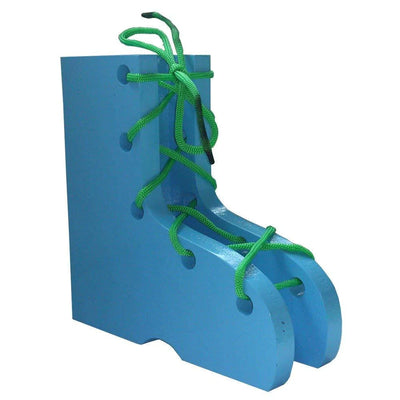
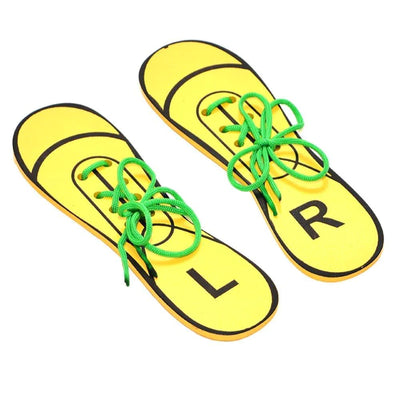
How to make it: Cut holes in the cardboard and thread shoelaces through for lacing activities. Glue different-sized buttons and bottle caps for children to practice buttoning and opening. You can even create patterns with pulses for children to trace with their fingers. This kind of fine motor skill activity is crucial for developing hand-eye coordination and preparing for writing. Research shows that early development of fine motor skills correlates strongly with academic readiness.
Homemade Sorting and Classification Games
What you need: Empty cardboard boxes (like old cereal boxes), paint or coloured paper, and various small objects such as different coloured bangles, types of grains, or small toys.
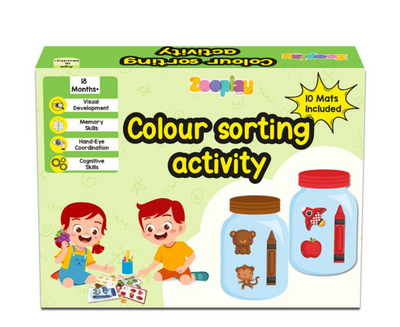
How to make it: Decorate different boxes with distinct colours or patterns. Encourage your child to sort the small objects into the correct boxes based on colour, shape, or material. This simple activity promotes logical thinking, pattern recognition, and early math concepts. It’s a wonderful way to teach organization and categorisation, core skills emphasized in Montessori learning.
DIY Literacy and Numeracy Activities
What you need: Cardboard, markers, clothespins, old magazines, and a pair of scissors.
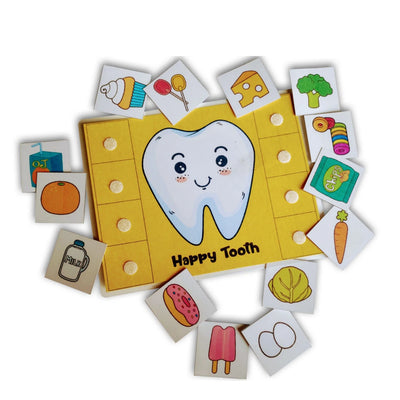
How to make it: Create alphabet flashcards or number cards. For literacy, cut out pictures from magazines and ask your child to match them with the first letter sound. For numeracy, create number matching games or counting activities using clothespins to clip the correct number onto a quantity of items drawn on cardboard. These are fantastic DIY Montessori activities that make learning engaging and fun.
Sensory Bottles and Discovery Jars
What you need: Clear plastic bottles (empty water bottles work great), water, glitter, food colouring, small beads, rice, or dried pulses.
How to make it: For sensory bottles, fill a bottle with water, glitter, and a drop of food colouring, sealing the cap tightly. For discovery jars, fill with layers of rice, pulses, and small hidden objects for children to shake and discover. These provide calming sensory input and encourage observation. Child development experts often recommend sensory play for cognitive stimulation and emotional regulation.
Key Takeaways
- DIY educational toys empower Indian parents to create personalized learning tools at home.
- Homemade learning materials foster critical skills like problem-solving, fine motor coordination, and independence.
- Integrating Montessori principles into DIY toys ensures purposeful, child-led learning experiences.
- Utilizing common household items makes creating educational toys cost-effective and accessible for all families.
- Engaging in DIY toy creation strengthens family bonds and offers a valuable alternative to screen time.
- Research indicates that active engagement with learning materials significantly boosts a child's cognitive development.
Are DIY educational toys as effective as store-bought ones?
Yes, DIY educational toys can be highly effective. Research shows that child engagement and the purposefulness of play are more critical than the toy's origin. Homemade toys, especially those inspired by Montessori principles, offer tailored learning experiences that specifically address a child's developmental needs and interests.
What age group benefits most from homemade educational toys?
All age groups, from toddlers to preschoolers and early primary schoolers, benefit significantly from homemade educational toys. The simplicity and adaptability of DIY learning tools make them perfect for catering to the varying developmental stages and emerging skills of young children, from fine motor development to early literacy.
How can I incorporate Montessori principles into DIY toys?
Incorporating Montessori principles involves creating toys that are simple, purposeful, child-led, and promote independence. Focus on materials that engage one sense at a time, encourage repetition, and offer a 'control of error' (where the child can self-correct). Use natural materials and ensure toys are accessible for your child to choose and put away independently.
What common household items are best for DIY learning toys?
Common household items like cardboard boxes, old fabric scraps, pulses (dal), bottle caps, cotton balls, empty plastic bottles, and natural items like stones or leaves are excellent for DIY learning toys. These materials are readily available in Indian homes and can be transformed into engaging tools for sensory play, fine motor skill practice, and early math concepts.
How do DIY toys help with child development?
DIY toys significantly aid child development by fostering creativity, problem-solving skills, and fine motor coordination. They encourage independent exploration, sustained concentration, and sensory engagement, laying a strong foundation for future academic success and overall cognitive growth, as highlighted by child development experts.