DIY Hygiene Activities for Kids: Teach Cleanliness
Engaging children in DIY hygiene activities for kids is the most effective way to instill lifelong cleanliness habits, transforming routine tasks into playful learning experiences. Research shows that hands-on, experiential learning significantly improves retention and adherence to hygiene practices, especially in young children. Indian parents can easily implement these fun, practical activities at home, drawing inspiration from Montessori principles to foster independence and a love for self-care.
As the recent news about Dettol's DIY Hygiene Workbooks highlights, there's a growing interest among Indian families in making cleanliness engaging. This approach resonates deeply with the Montessori philosophy, where practical life skills are central to a child's development, helping them become capable and confident individuals.
What are DIY Hygiene Activities for Kids?
DIY hygiene activities for kids are engaging, hands-on tasks designed to teach children about personal cleanliness and health through direct experience. This matters because active participation fosters understanding and independence, far more than simply being told what to do. Indian parents can use everyday household items to create these enriching, practical life experiences, helping children develop crucial self-care habits.
These activities are not just about keeping germs away; they're about building self-esteem and fostering a sense of responsibility. When a child successfully washes their own hands or brushes their teeth, they gain a powerful sense of accomplishment, laying a foundation for self-care routines that last a lifetime.
Montessori Practical Life Skills Hygiene: Fostering Independence
Maria Montessori firmly believed that children thrive when given opportunities to engage in meaningful work. Hygiene activities fall perfectly within the realm of Montessori practical life skills hygiene, offering children real-world experiences that develop concentration, coordination, and independence. This approach respects the child's innate drive to do things for themselves, even from a young age.
Child development experts consistently highlight the importance of self-directed activities for building foundational skills. For instance, allowing a 3-year-old like little Anya from Bengaluru to choose her own toothbrush or decide which towel to use gives her agency, making the task her own rather than a parental directive. This fosters a deeper commitment to the process.
Teaching Hygiene to Children Through Play: Step-by-Step Fun
Here are some simple, yet highly effective, DIY hygiene activities you can set up at home, turning daily routines into delightful learning sessions. Remember, the goal is engagement and empowerment, not perfection!
1. The "Germ Detective" Handwashing Station (Handwashing Activities for Kids)
Handwashing is arguably the most crucial hygiene habit, especially in Indian homes where children play outdoors and interact with many family members. Let's make it an adventure!
What you need:
- A small basin or bucket
- Child-friendly liquid soap (foaming soap is extra fun!)
- A small, soft towel
- A sturdy stool (if the sink is too high)
- Optional: Glitter or washable paint (for germ simulation)
How to play:
- The Germ Hunt: Before washing, put a tiny bit of glitter or washable paint on your child's hands and explain, "These are our sneaky little germs! Our job is to be Germ Detectives and wash every single one away."
- The Washing Ritual: Guide your child to the basin. Show them how to turn on the tap, wet their hands, take a pump of soap, and rub their hands together, focusing on palms, backs, between fingers, and under nails. Sing a 20-second song (like "Twinkle, Twinkle Little Star") to ensure thorough washing.
- Rinse and Reveal: Help them rinse off all the soap and 'germs'. The disappearing glitter is a magical moment of accomplishment!
- Towel Time: Show them how to dry their hands thoroughly with their own towel.
Expert Tip: According to the World Health Organization (WHO), proper handwashing is one of the most effective ways to prevent the spread of infections. Making it a game, rather than a chore, significantly increases compliance and enjoyment for children aged 2-6 years. This activity also naturally develops fine motor skills through soap pumping and hand rubbing.
2. Personal Care Challenge: Brushing & Combing Skills
Encouraging independent self-grooming builds confidence and a sense of routine.
What you need:
- Child-sized toothbrush and toothpaste
- A small mirror (placed at their height)
- A child's comb or brush
- A small cup for rinsing
How to play:
- Toothbrushing Trainer: Sit with your child and demonstrate brushing on your own teeth, then let them try. For a 3-year-old, allow them to do the initial brush, then you can gently guide their hand for a thorough clean. The Indian Academy of Pediatrics (IAP) recommends parental assistance with brushing until around age 7 or 8.
- Mirror, Mirror: Set up a low mirror where your child can see themselves. Give them their comb and let them try to brush their own hair. Even if it's not perfect, the act of trying and seeing their reflection fosters self-awareness and self-care.
Cultural Connection: In many Indian homes, children are taught to take care of their appearance as a mark of respect, especially when visiting grandparents or attending festivals. Integrating these personal grooming tasks into daily rituals connects them to broader family values.
3. Tidy Up Time: Dressing and Laundry Practice
These activities teach hygiene beyond just the body, extending to personal belongings and environment.
What you need:
- Easy-to-wear clothes (e.g., shirts with large buttons, elastic waist pants)
- A small laundry basket or bag
- A child-sized hanger
How to play:
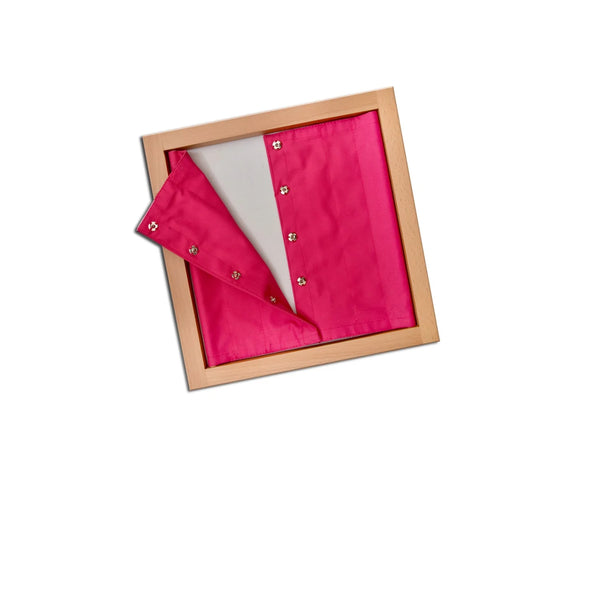
- Dress-Up Dynamo: Lay out clothes and let your child practice dressing themselves. Start with simple items. This is a fantastic way to develop independence and activity kits can often complement this by improving dexterity.
- "Dirty Clothes" Drop: After changing, teach them to put dirty clothes into a designated laundry basket. Make it a game: "Can you score a goal in the laundry basket?"
- Hanging Helpers: For slightly older children (4+), show them how to hang up a clean shirt or put away folded clothes. This teaches order and responsibility for their belongings.
The Role of Family in Fostering Cleanliness in Indian Homes
In the vibrant tapestry of Indian joint families, the learning environment is rich with observation and participation. Grandparents often play a crucial role in modeling and guiding children through daily rituals. When parents and elders consistently demonstrate good hygiene habits, children absorb these practices naturally.
Make these activities a shared experience. If Papa is brushing his teeth, invite the child to brush alongside him. If Dadi is washing clothes, let the child help sort their own socks. This collective participation reinforces the importance of cleanliness within the family unit, making it a beloved part of daily life rather than a chore. Remember, patience and positive reinforcement are your best tools in this journey.