DIY Montessori Educational Toys: Learning at Home
Making DIY Montessori educational toys at home provides an incredibly powerful and accessible pathway for Indian parents to nurture their children's holistic development. These homemade materials empower children with hands-on learning, cultivating independence, concentration, and practical life skills, directly aligning with Dr. Maria Montessori's renowned philosophy. This approach brings structured, child-led learning experiences into your home, fostering a deep love for discovery from an early age.
What are DIY Montessori Educational Toys?
DIY Montessori educational toys are self-made learning tools specifically designed to align with the core Montessori philosophy, emphasizing hands-on exploration and independent discovery. This approach matters because it provides a cost-effective and personalized way to support a child's natural development and innate curiosity. Indian parents can empower their children with purposeful play using everyday household items, turning ordinary objects into extraordinary learning experiences.
Child development experts agree that children learn best by doing, and DIY Montessori materials provide just that opportunity. They are characterized by their simplicity, purposefulness, and ability to isolate a single concept for the child to explore. This focus helps children concentrate better and master skills without overwhelming distractions.
Why DIY Montessori Matters for Indian Families
For Indian families, DIY Montessori offers unique advantages, blending traditional values of resourcefulness with modern educational insights. Research consistently shows that hands-on, experiential learning significantly boosts cognitive development and problem-solving skills in young children, which is crucial in today's competitive world. This makes creating your own DIY learning materials not just a craft, but a commitment to your child's future.
In homes where joint families often provide a rich learning environment, grandparents can also engage in these simple projects, sharing skills and stories. The growing trend of DIY crafts, as seen with initiatives like Funskool India's Hello Kitty and Friends DIY Craft Range, highlights a collective desire among parents to provide creative and enriching activities for their kids. DIY Montessori taps into this beautifully, offering Montessori activities at home that are both engaging and culturally relevant.
Simple DIY Montessori Educational Toys You Can Make Today
Transforming common household items into engaging homemade Montessori materials is easier than you think. These projects encourage practical life skills, sensory exploration, and foundational academic concepts, perfect for little hands and minds.
Practical Life Skills: Pouring & Scooping Station
Practical life activities are the cornerstone of Montessori, building concentration, coordination, and independence. Set up a pouring station using small bowls, pitchers, and various pulses like dal or rice. Children can practice pouring from one container to another, enhancing their fine motor skills and hand-eye coordination. A scooping station with spoons and small beads or dry chickpeas also works wonderfully.
Studies indicate that mastery over such simple tasks builds a child's self-esteem, preparing them for more complex challenges. These are fundamental educational toys that foster real-world readiness, crucial for their development.
Sensory Exploration: Texture Boards & Scent Jars
Sensory experiences are vital for early learning. Create texture boards by gluing different materials – cotton, sandpaper, velvet, a piece of jute, or even a section of a rough Indian handloom fabric – onto cardboard squares. Children can touch and describe the sensations, enriching their vocabulary and tactile discrimination.
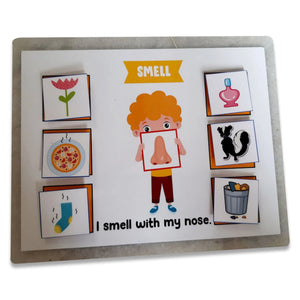
For scent jars, use small, opaque containers filled with aromatic spices common in Indian kitchens like cardamom, star anise, cloves, or cinnamon. Children can smell each jar, matching them if you create pairs, or simply enjoying the unique fragrances. This is an excellent way to engage the often-overlooked sense of smell.
Language Development: Picture Cards & Sandpaper Letters
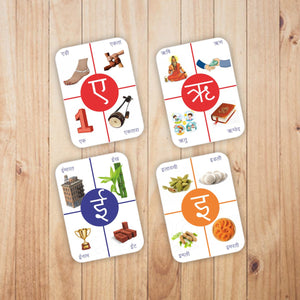
Language is key to understanding the world. Develop picture cards by printing or drawing images of objects familiar to your child – animals, fruits, household items, or even family members. Label each card clearly. Children can match pictures to objects, categorize them, or simply learn new words.
For a DIY version of Montessori sandpaper letters, cut letters from sandpaper and glue them onto cardstock. Children trace the letter with their fingers, feeling the texture while saying the sound. This multi-sensory approach significantly aids early literacy. You can also explore professional Montessori materials for advanced learning.
Early Math: Bead Chains & Counting Sticks
Introducing mathematical concepts concretely makes them easier to grasp. Make bead chains by threading beads onto a string, grouping them by tens. Children can count the beads, understanding quantity and sequence. Simple counting sticks, perhaps made from popsicle sticks or twigs collected from the garden, can also be bundled for understanding place value.
These Montessori crafts for kids provide tangible representations of abstract numbers, making early math intuitive and engaging. Experts recommend practical life skills development from 18 months, paving the way for such numerical exploration.
Tips for Success: Creating an Engaging Montessori Environment at Home
Creating a Montessori-inspired home environment goes beyond just the toys; it's about fostering independence and respect for the child. Here are a few tips:
- Child-Sized Spaces: Arrange a small, accessible shelf for their DIY Montessori materials so children can choose their activities freely.
- Rotation is Key: Don't overwhelm them. Rotate materials every few weeks to maintain interest and introduce new challenges.
- Observe, Don't Intervene: Allow your child to explore and even struggle a little. Intervention should be minimal, letting them discover solutions.
- Involve the Family: Make DIY projects a family affair! Grandparents, aunts, and uncles can contribute, sharing their creativity and reinforcing family bonds.
- Embrace Imperfection: Homemade means unique. Don't strive for perfection; focus on functionality and the joy of creation.
By integrating these principles, you transform your home into a vibrant learning laboratory, where kids learning toys are not just purchased, but lovingly crafted and deeply valued.
- DIY Montessori toys foster independence and concentration in children.
- They are cost-effective and accessible, perfect for Indian families.
- Hands-on, self-directed learning significantly boosts holistic child development.
- Everyday household items can be transformed into powerful educational tools.
- Montessori philosophy encourages a child's natural curiosity and exploration.
- Engaging in DIY crafts strengthens parent-child bonds and shared learning.
What are the core benefits of DIY Montessori educational toys?
DIY Montessori educational toys promote independence, foster concentration, and develop fine motor skills through hands-on exploration. They allow children to learn at their own pace, boosting self-confidence and a love for discovery in a familiar home environment.
What age group are DIY Montessori toys best suited for?
DIY Montessori toys are highly adaptable and can be created for various age groups, from toddlers (18-24 months) focusing on practical life skills to preschoolers (3-6 years) learning language and math concepts. The key is to match the activity to the child's developmental stage and interests.
How can I ensure my homemade Montessori materials are safe for my child?
Ensuring safety is paramount; always use non-toxic materials, ensure small parts are securely fastened or large enough not to be a choking hazard for younger children, and supervise play. Regularly check for wear and tear, and store materials safely when not in use.
Can everyday Indian household items be used for DIY Montessori activities?
Absolutely, everyday Indian household items are perfect for DIY Montessori! Pulses, old fabrics, cardboard boxes, bangles, and even spice containers can be transformed into engaging learning materials. This makes Montessori accessible and culturally relevant for Indian families.
How do DIY Montessori toys support holistic learning and development?
DIY Montessori toys support holistic learning by engaging multiple senses and encouraging self-correction, fostering not just cognitive growth but also emotional regulation, social interaction, and physical coordination. They help children develop a strong foundation for lifelong learning by connecting abstract concepts to concrete experiences.