DIY Play-Based Learning for Kids (Aged 3-10)
Engaging children in meaningful learning at home doesn't require expensive toys; instead, simple DIY play based learning activities for children aged 3-10 offer profound developmental benefits. Research shows that child-led play is crucial for cognitive, social, and emotional growth, fostering skills that traditional rote learning often overlooks. For Indian families, integrating everyday materials into these activities provides a culturally rich and accessible pathway to holistic development, preparing little ones for school projects and life skills alike.
Understanding Play-Based Learning: A Montessori Approach for Indian Homes
Play-based learning is a pedagogical approach where children learn through engaging in purposeful, child-led, and adult-supported play experiences. This matters because it fosters holistic development, critical thinking, and problem-solving skills naturally, as observed by pioneering educators like Maria Montessori. Indian parents can easily integrate this at home using everyday materials, transforming mundane objects into powerful learning tools.
Studies indicate that children who engage in active, play-based learning develop stronger neural connections and improve their attention spans significantly. Child development experts agree that up to 90% of a child's brain development occurs before age five, making these early years critical for impactful learning through play. This approach supports independence, concentration, and a lifelong love for discovery, moving beyond just academics to foster well-rounded individuals ready for the world.
Setting Up Your Home for Montessori Learning Activities for Kids
Creating an environment that encourages exploration and independence is fundamental to successful play-based learning. This means thoughtful organisation, even in smaller Bengaluru flats or joint family homes. Your child needs a dedicated, accessible space where materials are within reach and they can choose activities independently, fostering their innate curiosity.
Creating a "Yes" Space for Exploration
A "Yes" space is simply an area where your child can explore safely and freely, without constantly being told "no." This might be a low shelf in the living room with carefully chosen activities, or a corner of their room. Ensure materials are age-appropriate and clutter-free, rotating them every few days to maintain interest. Grandparents often enjoy contributing to this by helping children sort items or tell stories with the play materials, strengthening family bonds while enriching the learning experience.
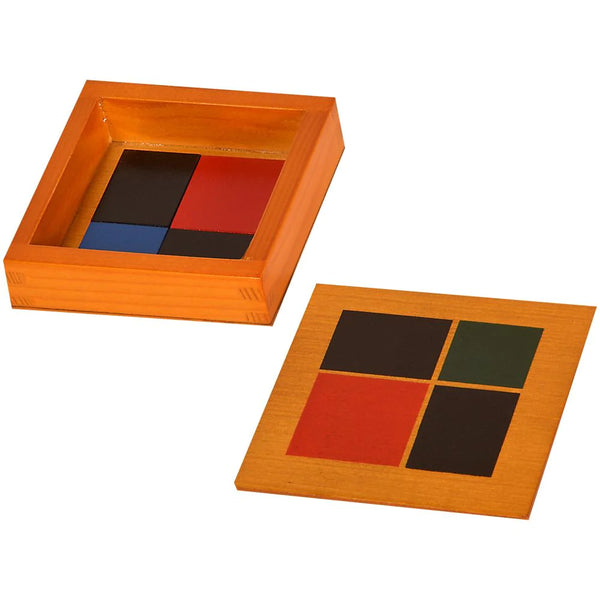
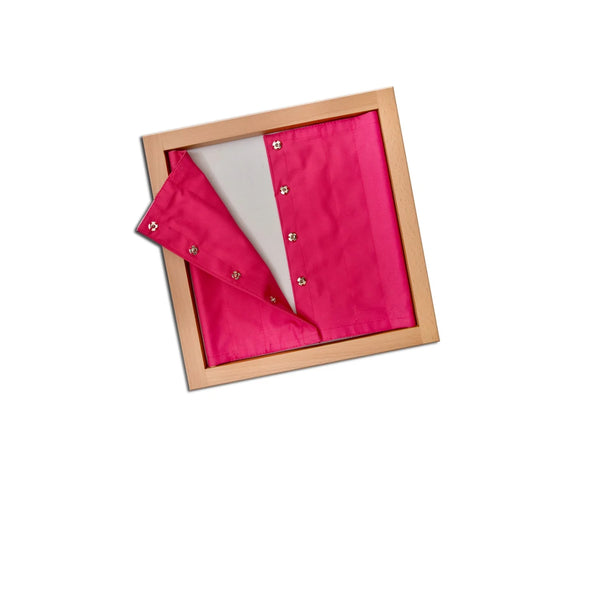
Consider placing a small mat or rug in this area to define the workspace, teaching children to contain their activities and clean up afterward. This seemingly small detail builds order and responsibility, key tenets of the Montessori philosophy. For ready-to-use solutions that encourage focused engagement, explore our range of Montessori Method Learning Materials & Toys, designed to support independent discovery.
Engaging DIY Learning Games for Ages 3-10
These activities leverage common household items to create stimulating and educational play. Each one supports various aspects of child development, aligning with the principles of learning through play India encourages.
Activity 1: The Spice & Lentil Sorting Challenge (Ages 3-6)
What you need: A tray, small bowls, various whole spices (cloves, cardamom pods), different types of lentils (toor dal, chana dal, masoor dal), small spoons or tweezers, and a magnifying glass.
How to play: Mix a small quantity of different lentils and spices on the tray. Encourage your child to sort them into separate bowls. The tactile experience of handling different textures and sizes, the subtle aromas of the spices, and the concentration required to pick up tiny items provide rich sensory input. This activity significantly boosts fine motor skills, hand-eye coordination, and early classification skills.
Activity 2: Miniature Dhobi Ghat (Laundry Station) (Ages 4-8)
What you need: A shallow tub of water, a small bar of soap, a few small cloths (old handkerchiefs, doll clothes), a mini clothesline (string tied between two chairs), and small clothespins.
How to play: Set up this "laundry station" where your child can wash and hang their own small clothes. The squeezing, scrubbing, and hanging motions develop hand strength, coordination, and practical life skills. It's a wonderful way to teach responsibility and self-care, mimicking daily household chores in a playful manner. The delight in seeing their tiny laundry dry is immense!
Activity 3: Homemade Texture Letters & Numbers (Ages 5-8)
What you need: Cardboard pieces, glue, various textured materials (sandpaper, felt, cotton balls, rice, old fabric scraps like from an old saree), scissors.
How to play: Cut cardboard into letter or number shapes. Let your child glue different textures onto each one. Once dry, they can trace the textured letters and numbers with their fingers while saying the sound or name. This multisensory approach reinforces letter and number recognition, a core component of early literacy and numeracy, making abstract concepts concrete and memorable.
Activity 4: Button & Bead Pattern Play (Ages 4-7)
What you need: A collection of assorted buttons or beads (ensure they are large enough to not be choking hazards), string or pipe cleaners, pattern cards (can be drawn on paper).
How to play: Start by making simple patterns (e.g., red-blue-red-blue) and ask your child to replicate them. Gradually introduce more complex sequences. This activity is fantastic for developing logical thinking, mathematical sequencing, and fine motor skills as they thread beads or arrange buttons. It also helps with visual discrimination and concentration, crucial for academic success.
Activity 5: Atta Dough Sculpting & Storytelling (Ages 3-10)
What you need: Freshly made atta (wheat flour) dough (food-safe, easy to make), rolling pin, child-safe cutters, small props like twigs, leaves, or tiny animal figures.
How to play: Encourage your child to roll, flatten, and sculpt with the atta dough. They can create anything from chapatis and laddus to animals or imaginary creatures. As they sculpt, prompt them to tell a story about their creations. This activity enhances creativity, imaginative play, language development, and strengthens hand muscles. It's a culturally familiar material that offers endless possibilities for expression, perfect for family playtime or solo imaginative adventures.
Maximising Play-Based Learning at Home
The beauty of play based learning at home lies in its flexibility and adaptability. It doesn't require a strict schedule but rather an observant parent who can follow the child's interests. Offer choices, step back and observe, and intervene only to facilitate or introduce new vocabulary. Remember, the process is more important than the product; the learning happens in the exploration and discovery, not necessarily in the perfect outcome.
For parents looking for comprehensive resources that blend learning with fun, SkilloToys offers a wide array of activity kits that complement these DIY ideas. These kits are curated to provide structured, educational play experiences that align perfectly with Montessori principles and developmental milestones. Embracing play-based learning helps nurture a generation of curious, capable, and confident children, ready to navigate the world with creativity and intelligence.