DIY Summer Indoor Activities for Kids: Fun at Home
When summer heat makes outdoor play challenging, DIY summer indoor activities for kids become the cornerstone of engaging and educational home environments. Research shows that structured yet flexible indoor play supports cognitive development and emotional well-being, especially for children in India navigating intense summer months.
DIY summer indoor activities are hands-on, creative projects and games that children can engage in within the comfort of their homes, often using readily available materials. This approach matters because it transforms downtime into productive learning opportunities, fostering independence and critical thinking. Indian parents can confidently create a stimulating environment that keeps their children cool, happy, and intellectually active.
Why Embrace DIY Summer Indoor Activities for Kids in Indian Homes?
With mercury rising across Bengaluru and beyond, keeping children active and stimulated indoors is a top priority for parents. Embracing DIY activities for summer provides a safe, comfortable alternative to outdoor play, protecting little ones from heatstroke while channeling their boundless energy into constructive endeavors. It's about making every moment count, even when confined indoors.
Studies indicate that children engaged in regular creative and practical activities demonstrate enhanced problem-solving skills and longer attention spans. These activities reduce reliance on screens, fostering imaginative play that is crucial for holistic development. For busy Indian households, DIY projects offer a flexible way to integrate learning into daily routines without added pressure.
Furthermore, these home-based activities strengthen family bonds, especially in joint family setups where grandparents and cousins can all participate. Creating a craft together or setting up a science experiment becomes a shared memory, nurturing a sense of belonging and collaboration. Child development experts in India emphasize the invaluable role of such communal activities in building strong family units.
Montessori-Inspired DIY Activities for Cognitive Growth
Maria Montessori advocated for purposeful, child-led exploration, a philosophy perfectly suited for enriching montessori indoor summer activities. These activities encourage independence, concentration, and practical life skills, all vital for a child's developmental journey. SkilloToys.com champions this approach to make learning intuitive and fun.
Sensory Exploration: Water Play & Texture Bins
Sensory play is fundamental for early childhood development, stimulating multiple senses and refining fine motor skills. Create a simple water play station by filling a shallow tub with water, adding ice cubes, and small toys. Children can scoop, pour, and observe, learning about volume and temperature. A 'texture bin' filled with rice, lentils, or pasta, along with small cups and spoons, offers endless tactile exploration.
Practical Life Skills: Little Helpers, Big Learners
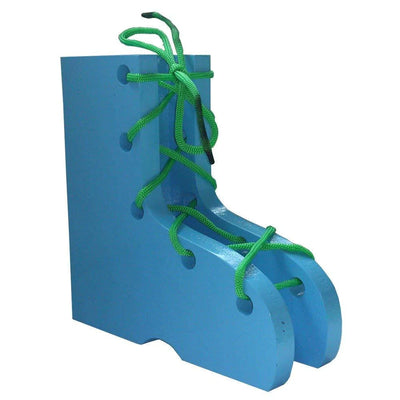
Involving children in everyday tasks instills a sense of responsibility and competence. Simple DIY practical life activities include sorting clothes by color, helping to wash vegetables for dinner, or setting the table. These activities, often found in activity kits, build independence and coordination, mirroring the structured learning environment of a Montessori classroom within your own home.
Language & Math Games: Learning Through Play
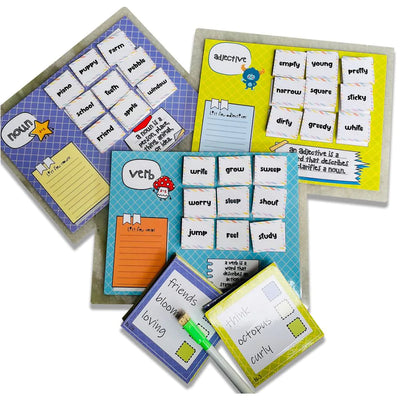
Summer is an excellent time to reinforce foundational learning without the pressure of school. DIY language games can include creating 'story stones' with drawn characters to spark imaginative narratives, or matching uppercase and lowercase letter cut-outs. For math, use pebbles or buttons for counting, sorting, and simple addition. These hands-on methods align perfectly with the Montessori method, making abstract concepts concrete and engaging.
Creative & Educational Indoor Activities for Summer Fun
Beyond structured learning, fostering creativity is paramount for a child's holistic growth. These educational indoor activities for summer encourage imaginative thinking and self-expression, providing outlets for creative energy during the hot months.
Building Forts & Imagination Zones
Transform your living room into an adventure zone with pillows, blankets, and chairs to build an epic fort. This simple DIY activity encourages imaginative play, spatial reasoning, and cooperative skills if siblings or family members are involved. Children can read books inside, stage puppet shows, or simply enjoy a quiet moment in their self-made sanctuary.
DIY Art & Craft Stations
Set up a dedicated 'Art Corner' using recycled materials like cardboard rolls, old newspapers, and fabric scraps. Encourage drawing, painting, and collage-making, allowing children to express themselves freely. Creating homemade playdough or finger paints with kitchen ingredients offers tactile fun and is a fantastic way to introduce basic chemistry concepts while making vibrant masterpieces.
Science Experiments: Kitchen Chemistry
Engage curious minds with easy science experiments using common household items. A classic baking soda volcano demonstrates chemical reactions, while exploring density with various liquids and objects in a clear container introduces scientific principles. These activities ignite a love for discovery and critical observation, turning your kitchen into a summer science lab.
Crafting a Summer Schedule for Engaging Indoor Fun
Establishing a flexible daily routine is key to maximizing summer fun at home while ensuring children remain engaged and well-rested. While spontaneity is wonderful, a loose schedule provides a sense of security and structure, helping to manage expectations and transition smoothly between activities.
Involve your children in planning their indoor summer activities for kids. Let them choose from a list of DIY ideas, giving them agency and excitement for the day ahead. This collaboration fosters independence and ensures the activities truly resonate with their interests, making summer at home a memorable and enriching experience for the whole family.
- DIY summer indoor activities prevent heat exposure while keeping children engaged.
- These activities significantly boost creativity, problem-solving, and fine motor skills.
- Montessori-inspired play enhances concentration and practical life competencies.
- Recycled materials and household items are ideal for budget-friendly fun.
- Engaging in DIY projects strengthens family bonds and reduces screen time.
- Flexible schedules, co-created with children, ensure sustained interest and learning during summer.
What are the best DIY indoor activities for toddlers?
The best DIY indoor activities for toddlers focus on sensory exploration and practical life skills. Simple ideas include water pouring exercises with small jugs, playdough creations, or a 'treasure basket' filled with safe, everyday household items for exploration.
How can I keep my child engaged indoors without screens during summer?
Keeping children engaged without screens during summer requires a mix of structured and unstructured play. Offer open-ended materials like blocks, art supplies, or recycled items, and involve them in household chores like sorting clothes or helping prepare snacks.
Are Montessori activities suitable for summer indoor play?
Absolutely, Montessori activities are exceptionally suitable for summer indoor play as they promote independence, concentration, and hands-on learning. Focus on practical life skills, sensory bins, and quiet activities that encourage self-directed exploration and development.
What materials are essential for DIY summer activities at home?
Essential materials for DIY summer activities at home include common household items like cardboard boxes, newspapers, craft paper, basic art supplies (crayons, glue), water, safe kitchen ingredients (flour, salt), and natural elements like leaves or stones. Repurposing is key for creative fun.
How do DIY activities support a child's development?
DIY activities significantly support a child's development by fostering creativity, problem-solving skills, and fine motor coordination. They encourage independent thinking, boost self-confidence through achievement, and provide valuable opportunities for parent-child bonding and communication.