DIY Treasure Hunts for Kids: Fun at Home
DIY Treasure Hunts for Kids are highly effective tools for fostering problem-solving skills, critical thinking, and a love for exploration in young children. Research shows that engaging in structured play, like treasure hunts, significantly enhances cognitive development and sustained attention in preschoolers and primary school children. This activity provides an excellent screen-free option, perfectly aligning with the need for creative summer engagement for children across India, particularly as parents seek innovative ways to keep their kids entertained and learning.
As families look for enriching ways to spend time together, especially during school breaks or festive seasons, treasure hunts offer an accessible and incredibly rewarding solution. They transform ordinary moments into extraordinary adventures, right within the comfort of your home or garden, perfect for a lively afternoon with cousins or a special Children's Day celebration.
What is a DIY Treasure Hunt?
A DIY treasure hunt is a structured game where children follow a series of clues to find a hidden "treasure" – often a small toy, treat, or a special experience. This matters because it encourages independence, logical reasoning, and physical activity. Indian parents can easily adapt these hunts to their home environment, transforming everyday spaces into exciting discovery zones for their little ones.
Why DIY Treasure Hunts Boost Child Development
Child development experts agree that engaging in playful problem-solving activities like treasure hunts significantly contributes to holistic growth. These hunts aren't just about finding a prize; they're about the journey of discovery, igniting curiosity and resilience in children.
Specifically, treasure hunts enhance cognitive skills by requiring children to interpret clues and strategize their next move. They also develop fine and gross motor skills as children navigate spaces, reach for clues, and manipulate objects. Studies indicate that children who regularly engage in imaginative play demonstrate up to 30% higher scores in creativity and problem-solving assessments.
Getting Started: Planning Your Engaging Treasure Hunt
Creating a memorable treasure hunt is simpler than you think. The key is thoughtful planning that considers your child's age, interests, and the spaces available. It's about crafting an experience, not just hiding items.
Choosing a Theme for Your Adventure
A theme adds a magical layer to the hunt. Consider popular Indian folktales, jungle safaris, outer space explorations, or even a "Lost Diwali Treasure" theme. This helps in designing cohesive clues and makes the experience more immersive. For younger children, a simple "colour hunt" or "animal sound hunt" can be equally captivating.
Crafting Age-Appropriate Clues for Every Child
Clues are the heart of any treasure hunt. Tailor them to your child's developmental stage, a principle deeply rooted in Montessori education. For toddlers (18-36 months), visual clues like pictures of the next location (e.g., a photo of the refrigerator) or simple object matching work best. For preschoolers (3-6 years), short, rhyming riddles or tactile clues (e.g., "Find something soft and fluffy") are ideal.
Older children (7-10 years) thrive on more complex challenges. Consider word puzzles, simple codes, math problems, or even historical facts related to an Indian landmark. Remember to keep the language accessible, perhaps using local references that resonate with their everyday lives in India.
The "Treasure": More Than Just a Prize
The treasure doesn't have to be elaborate or expensive. Often, the joy is in the discovery itself. Consider small educational toys like those from our Montessori learning materials collection, a new book, art supplies, or a promise for a special activity like a family movie night. For a delightful surprise, include a new activity kit for continued creative play.
Creative Treasure Hunt Ideas for Kids
Whether you have a sprawling backyard or a cosy apartment, there's a treasure hunt waiting to happen. These ideas provide a starting point for crafting unforgettable experiences.
Indoor Treasure Hunt for Kids: Adventures at Home
Indian homes, with their unique nooks and shared spaces, are perfect for indoor adventures. Utilize everyday objects and areas. A clue hidden under the dining table could lead to the spice rack, then to a cushion, and finally to a special hiding spot. For a tactile twist, hide a fine motor skill toy that children must assemble to reveal the next clue.
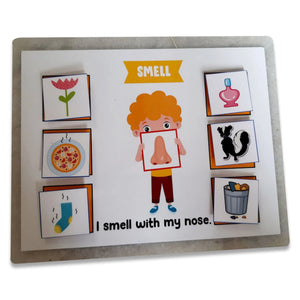
Consider a "sensory hunt" where clues involve textures (e.g., "find something smooth in the kitchen") or sounds. This is particularly engaging for younger children and can easily be set up on a rainy day or during a family gathering.
Outdoor Treasure Hunt for Kids: Embracing Nature
If you have access to a garden, balcony, or a nearby park, an outdoor treasure hunt is fantastic for fresh air and physical activity. Child development experts agree that unstructured outdoor play contributes to a 20% increase in physical activity and a reduction in screen time for children aged 3-8 years.
Clues can involve natural elements: "Find a leaf with jagged edges," "Look under the brightest flower," or "Count the number of petals." This encourages observation and appreciation for nature. Hide clues in planters, under stones, or near a favourite tree.
Montessori Treasure Hunt: Learning Through Discovery
A Montessori-inspired treasure hunt focuses on purpose, order, and sensory exploration. Instead of just finding a prize, the "treasure" could be a practical life activity, a set of specific Montessori materials, or a new skill to learn. For instance, a clue could lead to a 'dressing frame' or 'sorting tray' with a task to complete before receiving the next clue.
This approach transforms the hunt into a learning sequence, where each step builds upon the previous one, fostering concentration and a sense of accomplishment. It perfectly aligns with Maria Montessori's philosophy of hands-on, self-directed learning.
Weaving in Indian Culture and Festivals
Make your treasure hunts uniquely Indian by incorporating cultural elements. During Diwali, clues could be related to rangoli patterns, diyas, or sweets. For Raksha Bandhan, perhaps the clues lead to materials for making a rakhi. A "Mera Bharat Mahan" hunt could feature clues about different Indian states, traditional clothing, or famous monuments.
Involving grandparents in clue-making or story-telling for the hunt adds a beautiful intergenerational touch, enriching the experience for everyone. These culturally rich hunts not only entertain but also subtly educate children about their heritage.
Beyond the Hunt: Extending the Play
Once the treasure is found, the fun doesn't have to end. Encourage children to draw their treasure map, write about their adventure, or even create a treasure hunt for you! This extends their learning and reinforces the skills they've developed. Documenting their adventures through drawings or stories can become a cherished family memory.
DIY treasure hunts are more than just games; they are powerful tools for development, fostering creativity, problem-solving, and family bonding. So, gather your wits, unleash your imagination, and embark on a memorable treasure hunt adventure with your children today!
- DIY Treasure Hunts significantly boost children's problem-solving skills and critical thinking.
- Engaging in structured play like treasure hunts enhances cognitive development and sustained attention.
- Treasure hunts offer an excellent screen-free activity for children, especially during summer breaks.
- Tailoring clues to a child's age and developmental stage is crucial for an effective and enjoyable hunt.
- Montessori-inspired hunts can integrate practical life skills and sensory exploration into the game.
- Incorporating Indian cultural themes and festivals makes treasure hunts uniquely engaging and educational.
How long should a treasure hunt for kids be?
The ideal duration for a children's treasure hunt varies with age. For toddlers (2-4 years), 5-10 minutes with 3-5 simple clues is perfect, while older children (5-10 years) can enjoy a 20-45 minute hunt with 8-15 clues, ensuring sustained engagement without boredom.
What makes a good treasure hunt clue for young children?
Good clues for young children are visual, simple, and relate to familiar objects or locations in the home. Use pictures, drawings, or very short rhyming riddles. Ensure the clue directly leads them to the next visible location, minimizing frustration and keeping the fun flowing.
Can treasure hunts be educational?
Absolutely, treasure hunts are inherently educational, promoting critical thinking, problem-solving, literacy through reading clues, and even early numeracy if clues involve counting. They also boost gross and fine motor skills as children navigate spaces and manipulate objects, aligning perfectly with Montessori principles of hands-on learning.
What are some eco-friendly treasure hunt prize ideas?
Eco-friendly treasure hunt prizes can include experiences like a special story time, a nature walk, or planting a seed together. Alternatively, consider small, reusable items such as wooden toys, art supplies, or a voucher for a family movie night, emphasizing joy over material consumption.
How can I involve grandparents in a treasure hunt?
Grandparents can be wonderful participants, either by helping to hide clues, reading them out, or even being the 'final treasure' themselves, waiting with a hug and a small treat. Their presence adds a unique intergenerational bond to the activity, making the experience even more special and memorable for the children.