DIY Wooden Toys for Kids: Fun Builds at Home
Crafting wooden toys for kids at home offers unparalleled benefits for child development, fostering creativity, problem-solving, and fine motor skills. Indian parents can easily engage their children in making simple, educational wooden toys using readily available materials, creating lasting memories and valuable learning experiences. This hands-on approach connects children to their environment, promoting a sense of accomplishment and a deeper appreciation for their playthings.
What Are DIY Wooden Toys?
DIY wooden toys are handcrafted playthings made from natural wood, designed by parents or children themselves, often aligning with Montessori principles. This approach allows for customisation, enhances children's engagement, and promotes a deeper understanding of materials and construction, all while providing eco-friendly play options for Indian families.
Why Handmade Wooden Toys for Kids Are Gold for Development
Child development experts consistently highlight the importance of open-ended play for holistic growth. Handmade wooden toys offer precisely this, inviting children to use their imagination rather than being dictated by flashing lights or pre-programmed sounds. Studies indicate that engagement with simple, natural materials supports greater cognitive flexibility and sustained attention in young children.
Fostering Creativity and Problem-Solving
When a child holds a smooth wooden block, it can be anything: a car, a building, a piece of food for their imaginary kitchen. This open-endedness sparks incredible creativity. The process of building, knocking down, and rebuilding teaches fundamental problem-solving skills, like understanding balance and spatial reasoning – crucial for growing minds.
Enhancing Fine Motor Skills and Sensory Exploration
The tactile experience of different wood grains, the effort of sanding, or fitting two pieces together refines a child's fine motor skills. This is vital for tasks like writing and self-care later on. Maria Montessori herself advocated for natural, tactile materials that engage the senses, making Montessori wooden toy DIY projects a perfect fit. Explore materials that enhance these skills on our fine motor skills collection.
Easy Wooden Toys to Make at Home: Getting Started
You don't need a professional workshop to start making easy wooden toys to make. Many Indian homes already have basic tools, or they are readily available at local hardware stores. Begin with reclaimed wood pieces from old furniture, construction scraps, or even sturdy branches from your garden. Safety is paramount, so ensure wood is splinter-free and non-toxic.
Essential Materials & Tools for Indian Parents
- Wood Scraps: Pine, neem, or teak scraps are common and work well. Ensure they are untreated.
- Sanding Blocks/Paper: For smoothing edges (crucial for safety!).
- Non-toxic Paints/Sealers: Water-based acrylics or natural oil finishes like linseed oil are safe.
- Basic Hand Tools: A small hand saw (with adult supervision), a drill for holes, wood glue.
- Creative Elements: Beads, string, small dowels (from craft stores or upcycled items).
Simple DIY Wooden Toy Projects for Indian Families
Here are a couple of ideas for DIY wooden toys that you can build with your child, fostering a beautiful bond and hours of play. Remember, the process is as valuable as the finished toy.
1. Simple Stacking Blocks
What you need: Various sized wooden blocks (reclaimed or purchased), sandpaper, non-toxic paint/oil.
How to build:
- Gather your wooden scraps. They don't have to be perfect cubes; varied shapes add to the fun.
- Involve your child in sanding all edges and surfaces until they are smooth and splinter-free. This seemingly simple act of sanding teaches a child patience and precision, a skill often overlooked in a world of instant gratification. This 'slow craft' approach mirrors the Montessori philosophy of purposeful work, grounding children in the physical world and building a quiet resilience that ready-made toys rarely offer.
- Clean the blocks. Let your child choose non-toxic paint colours to decorate them. They can paint patterns, shapes, or simply solid colours.
- Allow to dry completely. Apply a child-safe sealer if desired for longevity.
These blocks will provide endless opportunities for imaginative construction, from grand temples to a train for their favourite Ganesha idol.
2. Easy Wooden Pull-Along Animal
What you need: A flat piece of wood (approx. 6x4 inches), four wooden wheels (can be cut from a thick dowel or bought from craft shops), a drill, a small dowel or sturdy string, non-toxic paint, wood glue.
How to build:
- Help your child draw a simple animal shape (like an elephant or a tortoise) onto the wooden base. Cut it out (adult task).
- Sand all edges thoroughly.
- Drill four small holes for the wheels and one at the front for the pull string.
- Let your child paint the animal.
- Attach the wheels using small dowels or strong wood glue, ensuring they spin freely.
- Thread a sturdy string or thick yarn through the front hole.
Watching their handmade elephant trundle across the floor will bring immense joy and a sense of pride, connecting them to the physics of movement.
Integrating Montessori Wooden Toy DIY Principles
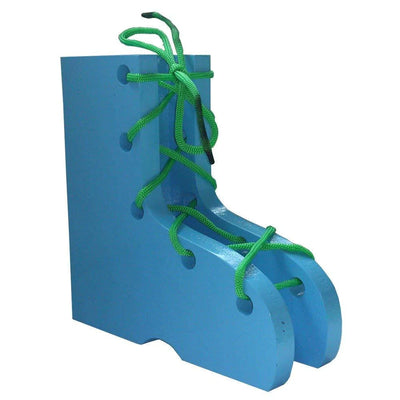
The core of Montessori education is about purposeful activity that allows children to learn through discovery. When you embark on DIY wooden toys, consider these principles. Simple designs that focus on one skill, like sorting, stacking, or threading, are ideal. Think about creating a wooden bead frame for early counting, or simple nesting boxes that teach size discrimination.
Parents in Bengaluru, for example, can source sustainable wood from local vendors, transforming discarded materials into beautiful learning tools. The joy of creating a DIY wooden puzzle, for instance, provides the same cognitive benefits as a store-bought one, but with the added value of the child's direct involvement in its creation. For more ready-to-use materials, check out our full range of Montessori learning materials and toys.
Safety First: Important Tips for DIY Toy Making
Ensuring the safety of your handmade wooden toys is paramount. Always supervise children during the making process, especially with tools. Research shows that child-safe products are crucial for development, and this applies to homemade items too. The Indian Academy of Pediatrics (IAP) often stresses the importance of non-toxic materials for children's items.
- Always use non-toxic, child-safe paints, glues, and sealants.
- Sand all edges and corners until completely smooth to prevent splinters.
- Ensure all small parts are securely fastened to avoid choking hazards, especially for children under 3 years old.
- Check for loose parts regularly.
- Choose sturdy wood that won't easily break or splinter.
Nurturing Young Minds with Handmade Creations
Engaging in DIY wooden toys for kids is more than just a craft activity; it's an investment in your child's developmental journey. Imagine your child, like 4-year-old Anaya in Chennai, proudly showing her dadi the wooden car she helped sand and paint. This fosters self-esteem, creativity, and a practical understanding of how things are made.
It's about creating moments, not just objects. So, gather your little ones, find some simple wood pieces, and embark on a rewarding journey of making and learning together. Consider this a wonderful addition to their activity kits, extending learning beyond structured play.