Dollhouse Activities for Kids: DIY Builds & Play
Creating a doll house for kids at home is a definitive way to ignite their imagination and boost crucial developmental skills. Research shows that engaging in hands-on activities significantly enhances cognitive flexibility and fine motor coordination in young children. An easily accessible and personalized dollhouse offers a unique platform for imaginative play, resourcefulness, and skill development.
As Indian parents, we often seek enriching, screen-free ways to engage our children. A DIY dollhouse provides just that: a world of make-believe built from everyday items, perfectly aligning with our cultural emphasis on creativity and repurposing. It's a wonderful activity to bridge the gap between busy schedules and quality family time.
What is a DIY Dollhouse?
A DIY dollhouse is a miniature dwelling created from household materials like cardboard, old boxes, or repurposed furniture. This matters because it offers children a blank canvas for imaginative play, encouraging them to design and personalize their own world. Indian parents can empower their children by involving them in every step of its creation, fostering a sense of ownership and resourcefulness.
Why a Homemade Dollhouse is a Treasure for Indian Kids (and Parents!)
Child development experts agree that children thrive in environments that encourage open-ended play. A homemade dollhouse provides just that, unlike many store-bought toys with pre-defined narratives. When a child builds their own dollhouse, whether it's a simple cardboard structure or a more elaborate bookshelf conversion, they aren't just playing; they're learning problem-solving, spatial reasoning, and developing incredible focus.
The beauty of a DIY dollhouse in an Indian home lies in its adaptability. It can reflect a bustling joint family setup, a modern apartment in Bengaluru, or even a traditional village home, complete with miniature puja rooms or Diwali decorations. This personalized touch makes the play deeply resonant and culturally relevant for your child, fostering a stronger connection to their own world and stories. It's also a fantastic way to celebrate Children's Day with an activity that gives back all year.
Boosting Creativity and Fine Motor Skills
Studies indicate that children engaged in constructive play exhibit higher levels of creativity and critical thinking. Crafting tiny furniture, painting walls, or arranging small items within their homemade dollhouse actively strengthens fine motor skills, hand-eye coordination, and precision. It's a joyful way to refine those delicate finger movements essential for writing and other tasks.
Moreover, the process of making a dollhouse from scratch encourages a wonderful sense of 'jugaad' – finding clever, resourceful solutions using available materials. This teaches children invaluable lessons about sustainability and making the most of what they have, a common thread in many Indian households.
Easy DIY Dollhouse Builds: From Cardboard to Repurposed Finds
Learning how to make a dollhouse can be a fun family project. You don't need fancy tools or expensive materials; the best builds often come from items you already have at home. This approach makes the activity accessible for every Indian family, regardless of space or budget, turning mundane objects into magical play spaces.
Cardboard Box Dollhouse: A Step-by-Step Guide
This is arguably the easiest and most versatile option for a homemade dollhouse, perfect for an afternoon craft session. You can involve your child right from the start, making it a truly collaborative effort.
- Materials Needed: Large cardboard boxes (delivery boxes work great!), scissors or a craft knife (adult supervision crucial), strong tape or glue, coloured paper, fabric scraps, sketch pens, and any decorative bits you find around.
- Step 1: Structure: Arrange 2-3 cardboard boxes, either stacked or side-by-side, to form rooms. Cut out windows and doors using a craft knife. You can even cut an angled roof from another piece of cardboard.
- Step 2: Walls and Floors: Let your child choose colours for the walls. They can paint directly or glue on coloured paper. Use fabric scraps for carpets or curtains, fostering their aesthetic sense.
- Step 3: Furnishings: Use smaller boxes for beds or tables. Bottle caps can become tiny plates, and cotton balls can be cushions. The less perfect these items are, the more your child's imagination has to work, leading to richer play.
Repurposing Old Furniture: The Bookshelf Dollhouse
For a more permanent and sturdy diy dollhouse, an old bookshelf or cabinet can be transformed. This is a brilliant way to give new life to furniture, making it a sustainable and engaging project.
- Materials Needed: An old, sturdy bookshelf (ensure it's stable and won't tip), non-toxic paint, wallpaper samples, fabric, and small wooden blocks or scraps for furniture.
- Step 1: Clean and Prepare: Clean the bookshelf thoroughly. If desired, give it a fresh coat of non-toxic paint, perhaps in a bright, inviting colour.
- Step 2: Define Rooms: The shelves naturally form floors. Use thin cardboard or fabric panels to create internal walls, separating rooms.
- Step 3: Decorate: Let your child choose wallpaper samples for feature walls or draw patterns. Use fabric for curtains or bedding. Encourage them to collect tiny items from nature, like small pebbles or dried flowers, to decorate their miniature home.
Creative Dollhouse Crafts for Kids: Decor & Details
Once the basic structure is ready, the real fun of dollhouse crafts for kids begins – bringing the miniature world to life! This stage is all about creativity and adding personal touches, which helps develop a child's artistic expression and attention to detail. These hands-on activities are excellent for developing Montessori skills, allowing children to create and manage their own environment.
- Tiny Furniture Making: Use matchboxes for drawers, bottle caps for stools, and ice cream sticks for tables. Even small clay creations or origami pieces can become unique furniture items.
- Family Portraits: Print tiny photos of your family members to hang on the dollhouse walls, or draw small portraits. This connects the dollhouse to their real-life experiences and fosters a sense of belonging.
- Gardening Fun: Create a small outdoor space using a shoebox lid, some green paper for grass, and small twigs or pebbles for landscaping. Your child can even plant tiny paper flowers or use real dried leaves.
- Festive Decor: As Independence Day approaches or during Diwali, help your child make tiny flags, lanterns, or rangoli patterns to adorn their dollhouse. This weaves cultural traditions into their play, making it even more meaningful.
Montessori Dollhouse Activities: Play Ideas for Holistic Development
A DIY dollhouse isn't just about building; it's a powerful tool for open-ended, child-led learning. Incorporating Montessori dollhouse activities turns playtime into meaningful developmental experiences, encouraging practical life skills and imaginative storytelling. The beauty of these activities lies in the freedom they offer, allowing children to direct their own learning.
Maria Montessori emphasized the importance of a prepared environment where children can explore and learn independently. Your homemade dollhouse serves as such an environment, allowing for endless scenarios that mimic real life, promoting social-emotional growth and language development. It's also an excellent way to introduce concepts like responsibility and care.
- Daily Routines Play: Encourage your child to enact daily routines like waking up, brushing teeth, eating meals, or going to school with their dolls. This helps them understand and internalize real-world sequences.
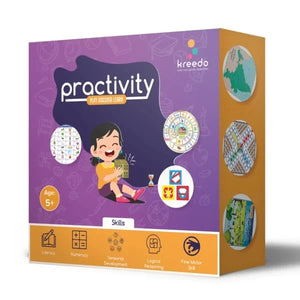
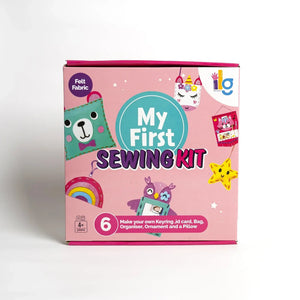
- Caring for the Home: Provide small cloths or brushes for your child to 'clean' their dollhouse. This teaches them about maintaining their space and fosters a sense of responsibility. You can find wonderful activity kits that complement such practical life play.
- Storytelling Adventures: Prompt your child to tell stories about the dollhouse residents. Who lives there? What are their names? What adventures do they have? This significantly boosts language skills, creativity, and narrative development.
- Problem-Solving Scenarios: Introduce small challenges: "Oh no, the doll is lost in the garden! How can we help her find her way back?" This encourages critical thinking and creative solutions.
The beauty of a DIY dollhouse lies not in its perfection, but in the process of creation and the boundless imagination it sparks. It's a space where your child is the architect, the designer, and the storyteller, learning invaluable lessons with every moment of play. So gather your cardboard, your fabric scraps, and your little one, and embark on a wonderful journey of building and imagining together!