Educational Toys: DIY Builds for Home Learning
In Indian homes, providing enriching experiences for children often brings financial considerations to the forefront, with reports highlighting child enrichment costs soaring to Rs 1 lakh annually. Creating DIY educational toys at home presents a powerful and cost-effective alternative to foster a child's holistic development, transforming everyday items into engaging learning tools. Child development experts agree that hands-on learning, regardless of whether materials are store-bought or homemade, significantly boosts cognitive and motor skills.
DIY educational toys are purposefully designed, handmade playthings crafted from common household materials to stimulate learning and development. This matters because it empowers parents to customise learning experiences that align with their child's unique developmental stage and interests, all while fostering creativity and resourcefulness. Indian parents can leverage these simple builds to provide enriching environments without the burden of expensive activity classes.
The Unseen Value: Why Homemade Educational Toys Thrive
While the market offers a plethora of attractive educational toys, the true value of homemade educational toys extends far beyond cost savings. Research indicates that children often engage more deeply with toys they have helped create or those that require their imagination to bring to life. This winter, as families look for engaging indoor activities, crafting educational toys at home keeps children's enthusiasm and curiosity alive, turning potential boredom into a catalyst for creativity.
Moreover, the process of making the toy itself becomes a rich learning experience. For a 4-year-old like Aarav in Chennai, helping his mother cut and paste shapes for a DIY puzzle teaches him about geometry, fine motor control, and patience long before he even solves the puzzle. This collaborative creation strengthens parent-child bonds, turning simple craft time into cherished memories and valuable lessons in perseverance and accomplishment.
DIY Educational Toys: Simple Builds for Every Age
The beauty of homemade educational toys lies in their adaptability. You can tailor projects to suit various developmental stages, ensuring that learning is always age-appropriate and engaging. From a toddler in a joint family in Bengaluru exploring textures to an older child sharpening their brain for summer holidays, DIY projects offer endless possibilities.
Toddlers (1-3 Years): Exploring Textures and Sorting
For our youngest learners, the focus is on sensory exploration and developing early cognitive skills. Maria Montessori emphasized practical life activities and sensorial experiences as foundational. You can create a simple 'sensory bottle' using an empty plastic bottle filled with rice, lentils, or water mixed with glitter. This helps develop visual tracking and auditory discrimination. A 'colour sorting tray' made from an egg carton and coloured pom-poms or small fabric scraps helps toddlers learn colour recognition and fine motor skills as they pick up and place items.
Another fantastic idea is a DIY 'posting box'. Take an old shoe box, cut different shapes (circle, square, triangle) on the lid, and provide corresponding shapes cut from cardboard. This encourages shape recognition and hand-eye coordination. Explore more ways to enhance fine motor skills with everyday items.
Preschoolers (3-6 Years): Fostering Cognitive Skills
As children grow, their cognitive abilities blossom, and DIY projects can support this beautifully. A 'cardboard box busy board' can be a treasure trove of learning. Attach old locks, zippers, buckles, switches, and even a small abacus. This fosters independence, practical life skills, and problem-solving. For early literacy, create 'sandpaper letters' by cutting letters from sandpaper and gluing them onto cardboard, allowing children to trace the shapes tactilely, much like traditional Montessori materials.
A 'counting game' can be made by drawing numbers 1-10 on paper cups and having your child place the corresponding number of pebbles, buttons, or bottle caps inside. This concrete representation of numbers is vital for mathematical foundations. Consider a range of activity kits for inspiration on complex builds.
Early Schoolers (6+ Years): Igniting STEM Curiosity
For children entering primary school, DIY projects can delve into basic STEM concepts. A 'DIY balance scale' made from a hanger, two small buckets, and string introduces principles of weight and measurement. Children can experiment with different objects, comparing their mass. Or try a 'paper craft engineering challenge' where kids use paper, tape, and scissors to build the tallest tower or strongest bridge, developing critical thinking and structural understanding.
The Times of India highlights skills like critical thinking and problem-solving for summer holidays, and these DIY projects directly address such needs. These builds aren't just fun; they're foundational for future scientific inquiry and innovation.
Montessori Learning Toys DIY: Embracing the Philosophy at Home
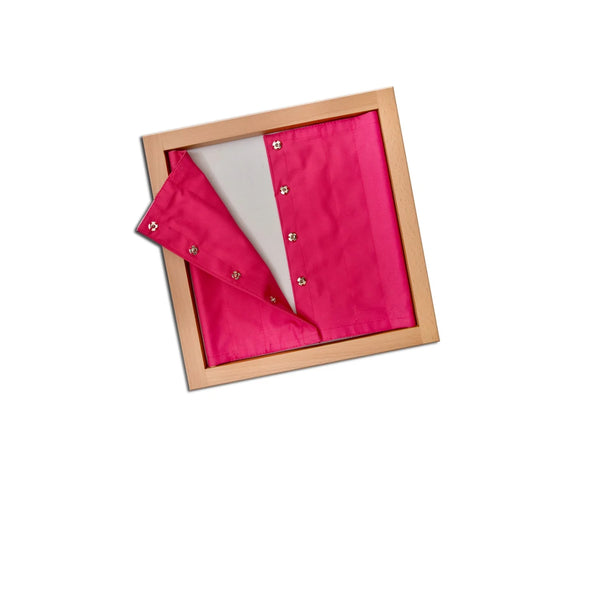
The Montessori philosophy, championed by Maria Montessori, emphasizes child-led learning, practical life skills, and sensorial exploration. Many commercial Montessori materials can be recreated effectively and affordably at home, aligning perfectly with the spirit of Indian parenting which often values resourcefulness and learning from daily life. For instance, a 'practical life tray' can include tasks like transferring lentils with a spoon, pouring water, or buttoning fabric, all using items readily available in any Indian kitchen or home. These activities refine coordination and concentration.
Creating a 'DIY geometry cabinet' with shapes cut from cardboard or felt allows children to explore different forms through touch and sight. This direct, hands-on engagement is central to the Montessori method, allowing children to discover concepts at their own pace. Such activities demonstrate that profound learning doesn't require expensive gadgets but thoughtful engagement with materials, embodying the true essence of Montessori learning.
Beyond the Build: The True Value of Craft Educational Toys at Home
While the finished DIY toy offers immense educational value, the process of crafting these educational toys at home holds an equally significant, often overlooked, benefit. It's an opportunity for shared discovery, problem-solving, and bonding. For a working parent in a bustling city like Mumbai, dedicating an hour on a weekend to build a simple abacus with their child provides invaluable focused interaction, creating a sense of shared accomplishment.
Moreover, by utilising recycled materials, families teach children about sustainability and responsible consumption – crucial lessons for the next generation. These craft educational toys at home cultivate ingenuity, showing children that creativity isn't about having the latest gadget but about reimagining what's possible with what you have. It's about empowering them to be creators, not just consumers, nurturing an entrepreneurial spirit that will serve them well in life.
The joy in a child's eyes when they play with a toy they helped create is unparalleled. It instills pride, ownership, and a deeper understanding of how things work. So, gather your cardboard, glue, and enthusiasm, and embark on a journey of creative learning with your children today. You'll not only save money but also build skills and memories that last a lifetime.