Hindi Alphabets: Fun DIY Activities for Kids at Home
Teaching your little one the wonders of the hindi alphabets at home is a rewarding journey that connects them deeply to their rich Indian heritage. Child development experts agree that early language exposure significantly boosts cognitive flexibility and cultural understanding. This post offers fun, achievable DIY activities that transform learning Hindi letters into an exciting adventure for your child, right in your own living room or balcony.
These simple, hands-on activities are perfect for nurturing a love for Hindi, ensuring your child not only learns but also cherishes their mother tongue. They align beautifully with Montessori principles, promoting self-directed learning and fine motor skill development. Get ready to embark on this linguistic journey with your nanhe-munne!
What are Hindi Alphabets?
Hindi alphabets, known as Hindi Varnamala, comprise the Devanagari script, which is the foundation of the Hindi language. This matters because it provides the essential building blocks for reading, writing, and speaking one of India's official languages. Indian parents can introduce these fundamental characters through engaging, sensory-rich activities, fostering early literacy.
The Importance of Early Hindi Language Exposure for Indian Children
Providing early exposure to Hindi is paramount for Indian children, establishing a strong linguistic foundation that extends beyond mere communication. Research indicates that children who learn their mother tongue alongside other languages develop stronger problem-solving skills and a greater appreciation for cultural diversity. This dual-language capability enhances cognitive development and academic performance.
For many Indian families, especially those in joint households, Hindi is the language of everyday conversation, storytelling with grandparents (dada-dadi), and cultural celebrations. Integrating Hindi learning early helps children connect with their elders, understand family traditions, and develop a strong sense of identity. It prepares them for a comprehensive understanding of Indian culture and society.
Preparing Your Home for DIY Hindi Learning
Creating an inviting and stimulating environment is crucial for effective DIY Hindi learning. This doesn't require elaborate setups; simple, accessible materials and a designated space are sufficient. A cosy corner in the living room or a small table in the study can become your child's 'Hindi learning station', making the activity feel special and focused.
Gathering common household items such as flour, sand, old newspapers, and colourful craft supplies makes these activities budget-friendly and sustainable. The emphasis is on using what you have to create engaging experiences. This approach aligns with the Montessori philosophy of learning from the immediate environment, making it achievable for every Indian home.
Engaging DIY Hindi Alphabet Activities for Kids
Transforming the task of learning Hindi letters into fun, interactive play is key to sustained interest. These Hindi varnamala activities are designed to be hands-on, encouraging exploration and discovery. From crafting to sensory play, these ideas will help your child master Hindi akshar activities with joy.
Sensory Sand Tray Hindi Letters
This classic Montessori-inspired activity is fantastic for kinesthetic learners. Spread a thin layer of sand, salt, or even atta (flour) on a tray. Ask your child to use their finger or a stick to trace fine motor skill toys to write Hindi alphabets you call out or show them. The tactile experience helps in memorising the letter shapes and strengthens muscle memory.
You can also create small Hindi alphabet cards for them to replicate. This makes learning concrete and memorable. Child development experts state that multi-sensory learning greatly enhances information retention in young children, making this a highly effective method.
Playdough Varnamala Fun
Playdough is an excellent tool for developing hand strength and creativity while learning. Provide your child with colourful playdough and ask them to roll out 'snakes' to form Hindi letters. You can use simple cookie cutters in letter shapes if available, or guide them freehand.
This Hindi learning for kids activity not only familiarises them with the shapes of the alphabets but also hones their fine motor skills. It's a joyful way to engage with the Varnamala, allowing for endless imaginative creations and playful exploration.
DIY Hindi Flashcards & Matching Games
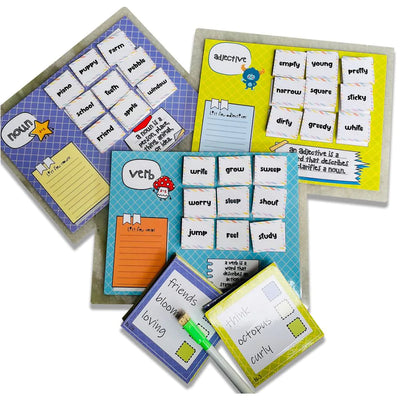
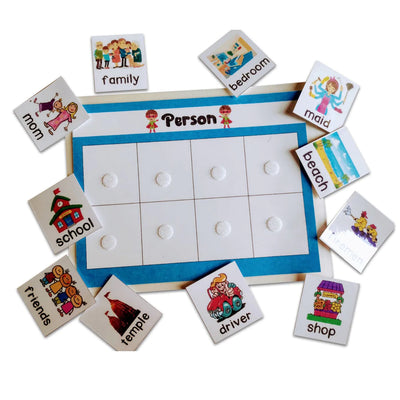
Create your own set of Hindi alphabet flashcards using old cardboard or thick paper. On one side, write the Hindi letter, and on the other, draw an object that starts with that letter (e.g., 'अ' for 'अनार' - pomegranate). You can find pre-made activity kits with similar concepts too.
Use these cards for matching games, memory games, or simply quick recognition drills. These Hindi akshar activities make learning interactive and test their recall in a playful manner. Parents can involve children in the creation of these cards, adding a layer of personal investment in their learning journey.
Hindi Alphabet Scavenger Hunt
Turn your home into a treasure hunt! Write various Hindi alphabets on small chits of paper and hide them around the house. Give your child a list or picture of the letters to find. As they find each letter, ask them to identify it and perhaps name a word that starts with it.
This energetic activity combines physical movement with learning, keeping children engaged and excited. It's a fantastic way to reinforce recognition of Hindi letters in a dynamic and memorable context, making it one of the most exciting Hindi alphabet crafts.
Story Time with Hindi Akshars
Integrate Hindi alphabets into daily storytelling. As you read Hindi storybooks or narrate tales from Indian mythology, point out the letters as you read them. Encourage your child to spot familiar letters or trace them with their finger on the page.
This method subtly reinforces letter recognition within a meaningful context, fostering a love for reading and the Hindi language. Sharing stories in Hindi also strengthens cultural bonds, especially when dada-dadi join in, sharing their own childhood tales.
Montessori Principles in DIY Hindi Learning
The Montessori approach, pioneered by Dr. Maria Montessori, emphasizes hands-on, self-directed learning and sensory exploration. Our DIY Hindi alphabet activities naturally align with these principles, allowing children to learn at their own pace and through discovery. For example, using Montessori learning materials like sandpaper letters is a direct application of tactile learning, which our sand tray activity mimics.
Montessori education focuses on developing independence, concentration, and practical life skills, all of which are subtly cultivated through these DIY projects. By providing prepared environments and engaging materials, we empower children to take ownership of their learning, making the process joyful and highly effective.
- Early exposure to Hindi alphabets significantly boosts a child's cognitive development.
- DIY activities for Hindi letters are budget-friendly and highly effective for hands-on learning.
- Integrating sensory experiences, like sand trays and playdough, enhances memory and engagement for Hindi varnamala.
- Montessori principles support self-directed learning, making DIY Hindi learning impactful.
- Involving family members, especially grandparents, enriches a child's connection to the Hindi language and culture.
- Consistent, playful engagement with Hindi akshar activities is more effective than rote memorisation.