Homeschooling Curriculum India: DIY Guide for Parents
Designing a personalized homeschooling curriculum India for your child is an empowering step, offering tailored learning experiences right at home. It involves understanding your child's unique needs, integrating local cultural contexts, and structuring a flexible plan that fosters curiosity and deep learning, far beyond traditional textbooks. This approach ensures your child thrives in an environment built just for them, reflecting India's diverse educational landscape.
Many Indian parents are seeking alternatives to conventional schooling, driven by a desire for flexibility, personalized attention, or a different pedagogical approach. This guide will walk you through creating an effective, culturally rich curriculum, ensuring your child receives a holistic education rooted in the unique vibrancy of India.
What is a DIY Homeschooling Curriculum for Kids in India?
A DIY homeschooling curriculum is a personalized educational framework crafted by parents to meet their child's specific learning style and pace outside of conventional schooling. This matters because it allows for flexible scheduling, deep dives into subjects of interest, and the integration of real-world experiences unique to an Indian household. Indian parents can create a rich, engaging learning environment tailored precisely to their child's development, fostering an innate love for learning.
Why Create Your Own Homeschool Curriculum?
Creating your own homeschool curriculum offers unparalleled advantages for your child's development and family dynamics. Research shows that personalized learning approaches significantly boost student engagement and retention, as the curriculum directly addresses the child's interests and developmental stage rather than a one-size-fits-all model. For instance, a child fascinated by space can spend weeks exploring astronomy, or a budding chef can learn fractions by helping Dadi prepare festive sweets.
Moreover, a custom curriculum allows you to seamlessly weave in Montessori principles, focusing on hands-on exploration and self-directed activity, which are crucial for building independence and critical thinking. It also empowers you to integrate cultural values, stories from Indian mythology, and local festivals directly into lessons, making learning deeply resonant and meaningful for your child. This approach ensures that education is not just about academics but also about cultural rootedness and personal growth.
Step 1: Understand Your Child & Indian Context
The foundation of any successful DIY curriculum for homeschooling begins with a deep understanding of your child and their environment. Child development experts agree that children learn best when education aligns with their natural developmental milestones. Observe your child closely: What sparks their curiosity? How do they prefer to learn—through stories, building, or movement? A 3-year-old in Bengaluru, for example, might be deeply engaged by exploring local flora in the garden, while an older child might enjoy researching the history of their ancestral village.
Consider the unique context of your Indian home. Does your child interact frequently with grandparents? This multi-generational setup is a rich, often untapped, educational resource. Grandparents can share traditional stories, teach local crafts, or involve children in household rituals, offering invaluable lessons in culture, language, and practical life skills. Embracing these existing family dynamics strengthens the learning experience, grounding abstract concepts in familiar, emotionally resonant experiences.
Step 2: Define Your Educational Plan for Home Learning
Once you understand your child, it's time to outline your educational plan for home learning. Begin by setting broad learning goals for the year, considering both academic and life skills. What do you want your child to know and be able to do by the end of the 'school year'? For a 4-year-old, this might involve recognizing numbers 1-10, identifying basic shapes, and developing fine motor skills crucial for writing later on.
Next, break these goals down into specific subjects. While traditional subjects like Language Arts, Math, and Science are important, don't forget to include Art, Music, Physical Education, and practical life skills. For instance, a weekly trip to the local market can become a lesson in budgeting, social interaction, and identifying different vegetables and fruits. The flexibility of homeschooling means you aren't bound by rigid timelines, allowing for a natural pace that truly suits your child.
Step 3: Craft Your DIY Curriculum for Homeschooling
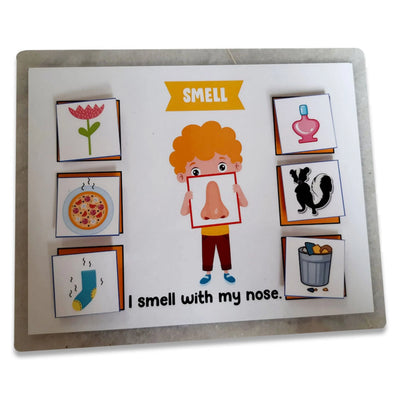
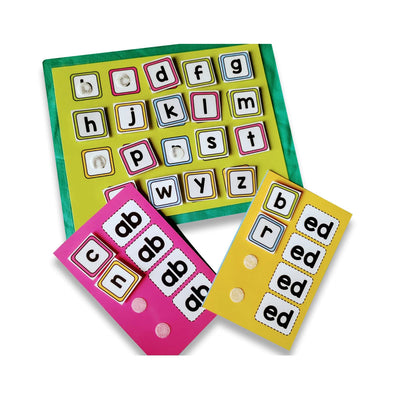
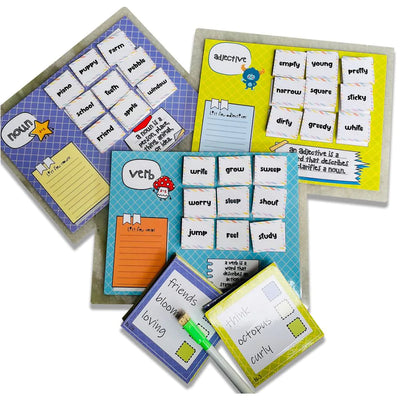
With goals in place, the exciting part begins: selecting resources and activities for your DIY curriculum for homeschooling. Look for engaging, hands-on materials that encourage exploration and discovery. Montessori educational toys, for instance, are designed to be self-correcting and promote independent learning. A child exploring fine motor skill toys like sorting beads or lacing boards isn't just playing; they're refining dexterity and concentration, foundational skills for academic tasks.
Integrate a variety of learning tools: library books, educational apps (used judiciously), outdoor exploration, and creative activity kits. Remember, everyday life in India offers countless learning opportunities. Learning about different states' cultures can involve tasting regional foods, listening to folk music, or drawing traditional attire. The key is to make learning an active, multi-sensory experience rather than passive reception of information.
Step 4: Build Your Homeschooling Plan India
Creating a realistic homeschooling plan India involves establishing a flexible routine that works for your family. Unlike traditional schools, you don't need to replicate a 9-to-3 schedule. Many homeschooling families find success with shorter, focused learning blocks interspersed with free play and outdoor time. For example, a morning might involve an hour of structured learning followed by free play, then a nature walk after lunch, and finally, reading aloud before bed.
Consider your family's unique rhythm, including festivals, family visits, and travel. These aren't interruptions to learning but opportunities for experiential education. A trip to the native village for a wedding can be a lesson in family history, social etiquette, and regional geography. The goal is to create a sustainable plan that reduces stress and makes learning a joyful, integrated part of daily life.
Step 5: Integrate Montessori Homeschooling Curriculum India Principles
For parents passionate about child-led learning, integrating a Montessori homeschooling curriculum India is a natural fit. Maria Montessori emphasized a prepared environment, where materials are accessible and inviting, encouraging children to explore independently. This approach resonates deeply with the SkilloToys philosophy.
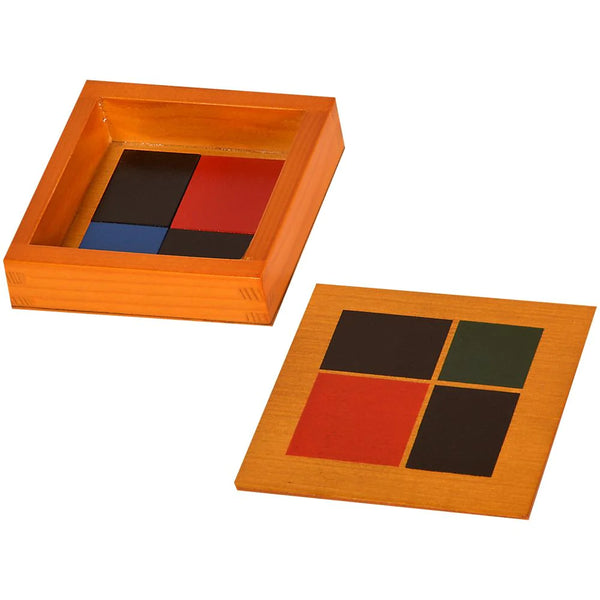
Start with practical life activities: simple chores like pouring water, folding clothes, or sweeping. These build concentration, coordination, and a sense of contribution, which is highly valued in Indian households. Introduce Montessori materials for sensory exploration (like the Pink Tower or Brown Stair for visual discrimination), language development (sandpaper letters), and early math concepts. The beauty of Montessori is its respect for the child's inner guide, allowing them to follow their interests and learn at their own pace, fostering a deep love for discovery that stays with them for life.
Adapting and Evolving Your Homeschooling Journey
Remember, your DIY homeschooling curriculum is a living document. It should evolve as your child grows, their interests change, and your family's circumstances shift. Regularly observe your child's progress, celebrate their achievements, and reflect on what's working and what isn't. Don't be afraid to adjust your plans, introduce new topics, or revisit old ones with a fresh perspective.
Connecting with other homeschooling families in India can also provide invaluable support, ideas, and shared experiences. Whether it's through online forums or local meetups, building a community can enrich your journey and provide encouragement when challenges arise. Your child's education is a unique adventure, and you, as their guide, are perfectly equipped to craft a path that leads to profound and joyful learning.