Indian Crafts for Kids: Culture Through Creativity
As Indian parents, we constantly seek enriching ways to engage our children at home, especially during holidays like summer breaks or festive seasons. Google News recently highlighted ‘5 Indian Crafts to Teach Kids This Summer’, sparking a brilliant reminder: DIY Indian crafts for kids offer a unique opportunity to blend creativity with a deep dive into our vibrant culture. These hands-on activities are not just fun; they are powerful tools for developmental growth and cultural connection.
What are Indian Crafts for Kids? Indian crafts for kids are artistic activities inspired by India's rich traditions, folk art, and festivals. This matters because they provide a tangible link to heritage, fostering creativity and fine motor skills. Indian parents can use these crafts to introduce cultural stories, celebrate festivals, and encourage hands-on learning.
Traditional Indian Crafts for Kids: More Than Just Play
Child development experts agree that engaging in hands-on activities is crucial for cognitive and motor skill development. When these activities are rooted in culture, they gain an added layer of meaning. Traditional Indian crafts for kids go beyond simple art projects; they are a direct engagement with centuries of artistic heritage, offering profound educational benefits.
Maria Montessori herself championed the idea of “practical life” activities, where children learn through purposeful work. The repetitive, focused movements involved in many Indian crafts — whether it's rolling clay, carefully tearing paper, or arranging patterns — mirror the self-directed learning core to the Montessori philosophy. This focus builds concentration, patience, and a sense of accomplishment.
The Montessori Connection: Purposeful Art
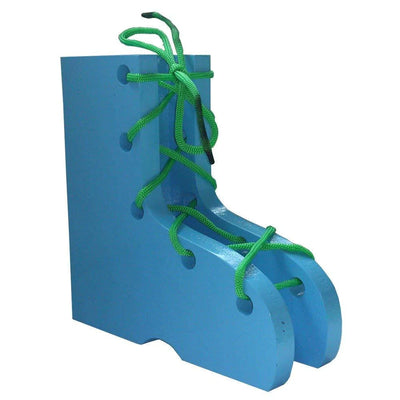
Research shows that children who engage in structured, hands-on activities demonstrate better problem-solving abilities and fine motor control. For instance, the meticulous work involved in creating a Madhubani-inspired design, even in a simplified form, requires precision and focus. This process, much like working with a Montessori fine motor skills toy, strengthens tiny hand muscles and enhances coordination, preparing them for writing and other complex tasks.
Consider the typical Indian home, bustling with life and often multi-generational. Grandparents sharing their knowledge of traditional art forms with children transforms a simple craft session into a beautiful exchange of cultural wisdom. This aligns with the Montessori emphasis on learning within a rich, prepared environment that includes cultural elements.
Easy Indian Craft Ideas to Start Today
You don't need exotic materials or specialized training to introduce your child to the world of Indian crafts. Many beautiful projects can be created using items found right at home, making them incredibly achievable. Here are a few easy Indian craft ideas that your little ones will love, fostering both creativity and a connection to our roots.
Festive Paper Torans & Lanterns: Bringing Home the Celebration
Think of the vibrant torans adorning doorways during Diwali or the colourful lanterns swaying during Ganesh Chaturthi. Recreating these offers a fantastic activity. Children can cut colourful paper into leaf or geometric shapes, paste them onto a string, or decorate paper cups to create simple lanterns. This activity develops scissor skills, teaches about patterns, and provides a tangible connection to our festivals.
How to make a simple paper toran: Gather coloured paper, child-safe scissors, glue, and a piece of string. Let your child cut out leaf or flower shapes — perfection isn't the goal, the process is! They can then decorate these shapes with glitter, beads, or drawings before gluing them onto the string. This fosters creativity and fine motor skills. For more guided creative projects, explore our range of activity kits which often include paper craft elements.
Clay Modelling: Connecting to Earthy Roots
Pottery and clay work are ancient Indian traditions. Providing children with soft, non-toxic clay or even homemade playdough allows for immense sensory exploration. They can mould small diyas for Diwali, shape simple animals, or create abstract forms. This strengthens hand muscles, encourages imaginative play, and connects them to a foundational Indian art form.
The act of kneading, rolling, and shaping clay is deeply satisfying and highly beneficial for developing tactile senses and building hand strength. It's a fundamental fine motor skills activity that also introduces the concept of three-dimensional form, much like many foundational Montessori materials. This sensory experience is vital for young children's cognitive development.
Simple Rangoli Designs: Patterns & Patience
Rangoli, or kolam, is an integral part of Indian festive celebrations. While intricate designs require skill, even young children can participate. Provide them with coloured sand, rice, flower petals, or even lentils and let them create simple patterns on a tray or directly on the floor. This teaches symmetry, colour recognition, and enhances concentration.
The focused act of carefully pouring or placing materials to form a pattern encourages deep concentration, a hallmark of Montessori learning. It's a wonderful cultural activity for kids in India, especially when done as a family project where everyone contributes to a larger design for a festival like Pongal or Onam. It instills patience and an appreciation for visual harmony.
Cultivating Cultural Awareness through Montessori Indian Art Projects
Integrating cultural activities for kids in India into daily life helps children understand their identity and the world around them. When a child creates a miniature puppet inspired by traditional Indian theatre, they are not just playing; they are engaging with storytelling, history, and imagination. These projects offer a gentle way to introduce complex cultural narratives in an age-appropriate manner.
NCERT's curriculum framework emphasizes the importance of art education for holistic development, advocating for activities that connect children to their cultural heritage. By providing opportunities for Montessori Indian art projects, we equip children with creative expression and a robust understanding of their roots. This deepens their learning experience, making it more meaningful and memorable.
So, the next time you're looking for an engaging activity, remember the power of Indian crafts for kids. From simple paper creations to exploring clay, these DIY projects offer a treasure trove of learning and cultural immersion. Pick a craft, gather your materials, and watch your child explore the rich tapestry of Indian art and culture, one creative masterpiece at a time. The process is the real gift — fostering skill, connection, and joy within your home.