Screen-Free Activities for Kids: DIY Fun at Home
Engaging screen-free activities for kids are crucial for fostering cognitive development and creativity, providing hands-on experiences that digital screens cannot replicate. These DIY solutions empower Indian parents to nurture their children's growth through meaningful play right at home, aligning with age-old traditions of resourceful entertainment.
This definitive guide offers practical, achievable ideas for reducing screen time while boosting essential life skills.
DIY screen-free activities are self-directed, hands-on play experiences that do not involve digital devices. This matters because they promote critical thinking, creativity, and social-emotional skills essential for holistic development. Indian parents can easily implement these cost-effective, engaging ideas using everyday materials, transforming mundane moments into opportunities for profound learning and connection.
Why Prioritising Screen-Free Play is Essential for Indian Children
Child development experts universally agree that reducing screen time for kids is paramount for their healthy cognitive and emotional development. Research indicates that excessive screen exposure, particularly in early childhood, can negatively impact language acquisition, attention span, and social skills. In India, where academic pressures are high, dedicated time for free, creative play becomes even more critical for holistic well-being.
By consciously opting for activities without screens for kids, parents are investing in their child's ability to think critically, solve problems, and express themselves creatively. This approach mirrors the wisdom of our grandparents who inherently understood the value of imaginative play with simple tools. Such play fosters resilience and curiosity, essential traits for navigating a complex world.
Montessori-Inspired DIY Screen-Free Activities for Toddlers (18-36 months)
Maria Montessori's philosophy emphasises practical life skills and sensory exploration, making it ideal for toddlers. For children aged 18-36 months, simple, repetitive tasks can be incredibly engaging. Offer them small pitchers of water to pour into cups (spillage is part of learning!), or set up a sorting activity with different coloured pom-poms or beads and small bowls. These activities refine their fine motor skills and concentration.
Another wonderful idea is a 'treasure basket' filled with safe, everyday objects like wooden spoons, fabric scraps, pinecones, and large buttons. Toddlers explore these items through touch, taste, and sound, discovering textures and properties independently. Such exploration builds foundational sensory awareness and cognitive understanding, far surpassing anything a screen can offer.
Engaging DIY Activities Without Screens for Preschoolers (3-5 years)
Preschoolers thrive on imaginative play and enjoy more structured yet open-ended tasks. Creating a 'Storytelling Box' is a fantastic idea: fill a shoebox with various small toys, puppets, or cut-out pictures. Children pick items and weave their own tales, boosting language development and creativity. This naturally becomes one of the most engaging activities for kids at home.
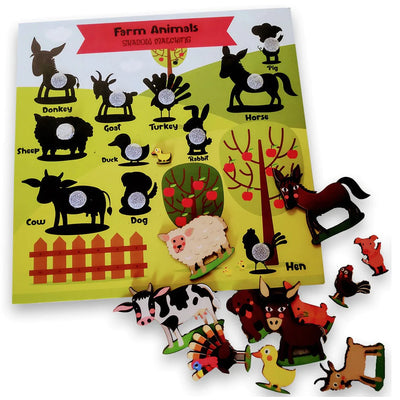
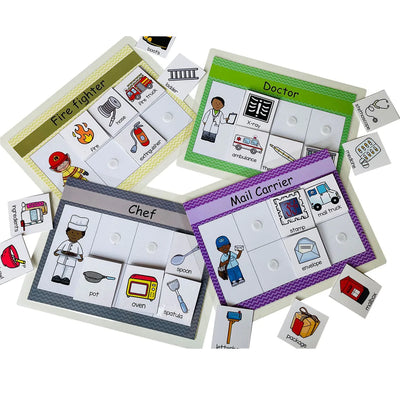
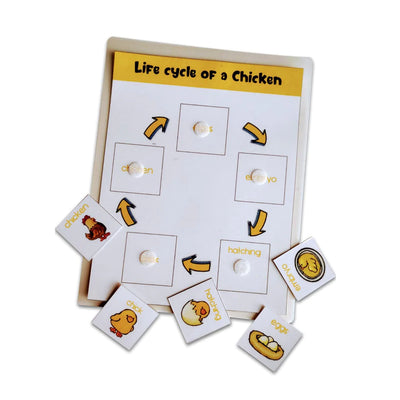
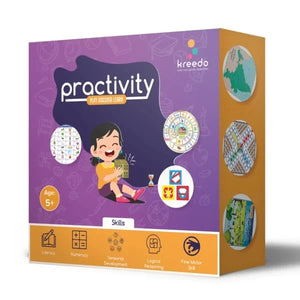
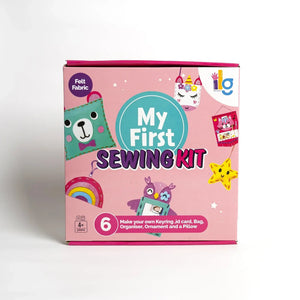
Another excellent option is a 'Nature Collage'. Gather leaves, twigs, flowers, and pebbles from your garden or a park, then provide glue and paper for children to create their own masterpieces. Consider exploring activity kits that often provide materials for such creative projects, guiding children through the process of design and assembly, enhancing their problem-solving abilities and artistic expression.
Creative Screen-Free Fun for School-Aged Children (6+ years)
For school-aged children, the possibilities for DIY screen-free activities expand to include more complex projects and cooperative play. Inspired by 'The ‘I’m Bored’ Survival Guide', organising an indoor treasure hunt with clues leading to a small prize (like a new book or craft supplies) is always a hit. This encourages problem-solving and critical thinking, perfect for engaging their developing minds.
Consider DIY board games where children design the rules, draw the board, and create the pieces from cardboard or clay. Shadow puppetry, using a bedsheet, a flashlight, and handmade cut-outs, can transform evenings into magical storytelling sessions. Involving them in simple cooking tasks like making chapatis or decorating biscuits not only teaches practical life skills but also creates cherished family memories, aligning with Montessori principles of practical life education found in our main collection of educational materials.
Tips for Successfully Implementing DIY Screen-Free Activities at Home
Implementing DIY screen-free activities successfully requires a little preparation and a lot of enthusiasm. Firstly, create a dedicated 'creation station' where materials like paper, colours, scissors, and recycled items are easily accessible. This empowers children to initiate their own play, fostering independence.
Secondly, involve the entire family, especially grandparents, who often have a treasure trove of traditional Indian games and stories. Their participation not only strengthens family bonds but also enriches the play experience with cultural context. Remember, the goal is not perfection, but engagement and the joy of discovery. Studies indicate that children who engage in regular imaginative play demonstrate higher levels of empathy and social competence.
- Screen-free activities are vital for cognitive development and creativity in children.
- Montessori principles support hands-on, self-directed play using everyday materials.
- Reducing screen time enhances attention span and reduces negative developmental impacts.
- Toddlers benefit from simple sorting, pouring, and sensory exploration activities.
- Preschoolers thrive on imaginative storytelling, nature collages, and craft-based projects.
- School-aged children enjoy treasure hunts, DIY board games, and practical life skills like cooking.
- Creating an accessible 'creation station' and involving family members boosts successful implementation.
What are the benefits of screen-free activities for children?
Screen-free activities are highly beneficial as they foster crucial developmental skills such as problem-solving, creativity, fine motor coordination, and social interaction. They also significantly improve attention spans and reduce the negative impacts associated with excessive screen exposure.
How can I encourage my child to choose screen-free play over gadgets?
Encourage screen-free play by making activities readily accessible and by modeling engagement yourself. Offer choices from a prepared 'activity box' and allocate specific times for creative play, involving them in the setup process to build excitement and ownership.
Are Montessori-inspired screen-free activities suitable for all age groups?
Yes, Montessori-inspired screen-free activities are inherently adaptable and beneficial across all age groups, from toddlers to school-aged children. They focus on hands-on learning, independent exploration, and skill development appropriate for each developmental stage, promoting a love for learning.
What common household items can be used for DIY screen-free activities?
Many common household items are perfect for DIY screen-free activities, including cardboard boxes, empty plastic bottles, old clothes, kitchen utensils, natural materials like leaves and pebbles, and spices for sensory play. Creativity is key to transforming these into engaging tools.
How much screen time is considered too much for Indian children?
Child development experts recommend limiting screen time for children under 18 months to video calls only, and for 2-5 year olds to one hour per day of high-quality programming with parental involvement. For older children, establishing consistent limits and prioritising other activities is crucial to prevent excessive use.