Screen Free Activities for Kids: DIY Play at Home
Indian parents constantly seek engaging screen free activities for kids that are both educational and fun, a sentiment echoed by recent articles like '8 Screen Free Activities To Try With Your Child On Childrens Day'. Shifting children away from screens doesn't have to be a battle; it's an opportunity to unlock their innate curiosity and creativity through hands-on, Montessori-inspired play right at home. Research shows that engaging in active, imaginative play significantly boosts cognitive development and problem-solving skills, far beyond what passive screen consumption can offer.
Screen-free activities for kids are purposeful, hands-on engagements that do not involve digital devices. This approach matters because it allows children to develop crucial cognitive, social, emotional, and physical skills through direct interaction with their environment. Indian parents can cultivate a rich home learning environment by setting up simple, inviting play areas using everyday materials, encouraging exploration and independence.
The Montessori Advantage: Cultivating Educational Screen Free Activities
Child development experts agree that children learn best by doing. Maria Montessori's philosophy, deeply rooted in fostering independence and hands-on exploration, provides a perfect framework for creating rich educational screen free activities. These activities are designed to be self-correcting and engaging, allowing children to learn at their own pace and discover concepts through direct experience, whether they are 18 months or 6 years old.
A well-structured screen-free environment encourages deep concentration and practical life skills. For instance, tasks like pouring water from one jug to another or sorting lentils develop concentration, fine motor control, and a sense of order. This focused engagement builds a child's internal motivation, a cornerstone of lifelong learning.
DIY Screen Free Play: Simple Ideas for Indian Homes
You don't need fancy gadgets or expensive toys to spark your child's imagination. Many of the most enriching DIY screen free play activities can be created using materials already found in an Indian home. The beauty of DIY lies in its adaptability and the valuable lessons it teaches about resourcefulness and creativity.
These activities are perfect for involving older siblings, grandparents, or even your helpful neighbours. Imagine a Sunday afternoon where Dadi is teaching your little one to sort beads, or an older cousin is helping build a fort from old sarees and cushions. These moments become cherished family memories, strengthening bonds beyond the screen.
Sensory Exploration with Household Treasures
Sensory play is fundamental for early childhood development, stimulating multiple senses and enhancing cognitive growth. Creating sensory bins or playdough from kitchen staples offers endless possibilities for discovery. This is a prime example of montessori screen free activities that truly engage.
- Dal & Rice Sorting: Offer bowls of mixed dals (moong, masoor, chana) and a spoon. Children can sort them into separate containers, refining their pincer grasp and developing concentration. Add small toys or dried leaves for an added element of discovery.
- Atta Playdough: Mix wheat flour (atta), water, a pinch of salt, and a spoon of oil to create homemade playdough. Children can knead, roll, cut, and shape it, strengthening hand muscles vital for writing. Adding a touch of turmeric or food colour can make it even more appealing.
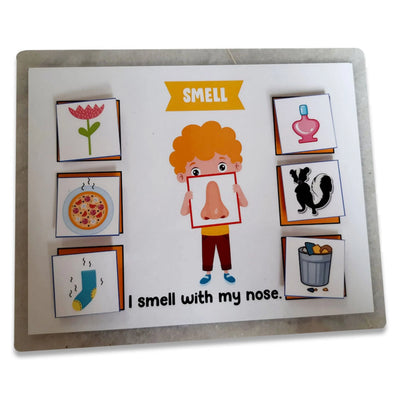
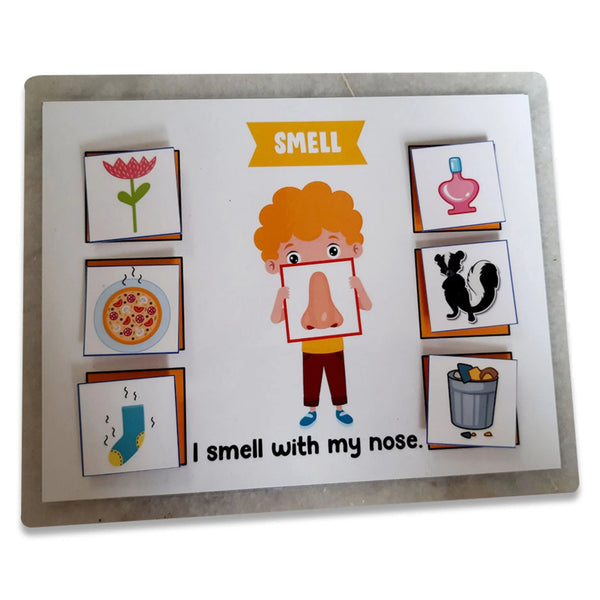
- Spice Scent Jars: Fill small, secure jars with different aromatic spices like cardamom, cinnamon sticks, or cloves. Children can smell each one, developing their olfactory sense and descriptive language skills. Ensure the jars are sealed tightly for safety.
Creative Storytelling and Puppetry
Storytelling is a timeless tradition in Indian culture, fostering language skills, imagination, and cultural connections. Encourage your child to move from passively watching stories to actively creating them. This is key for screen time reduction for kids that feels organic and fun.
- Sock Puppets & Fabric Friends: Use old socks or leftover fabric pieces from a kurta or saree. Add buttons for eyes, wool for hair, and fabric scraps for clothes. Encourage your child to create characters and put on a puppet show. This builds narrative skills and emotional expression.
- Shadow Play Stories: With a flashlight and a blank wall, children can create characters with their hands or cut-out shapes. Narrate simple stories as the shadows move, encouraging them to add their own twists. This simple activity sparks dramatic play and creativity.
Building Challenges with Recycled Materials
Constructive play is essential for developing problem-solving skills, spatial reasoning, and fine motor skills. Repurposing everyday items teaches children about sustainability and ingenuity.
- Cardboard Box Creations: A large cardboard box can transform into anything: a house, a car, a spaceship, or even a train for their dolls. Provide child-safe scissors, tape, and crayons. This open-ended play promotes boundless imagination and structural understanding.
- Newspaper Tower Challenge: Give children a stack of old newspapers and some tape. Challenge them to build the tallest freestanding tower they can. This encourages engineering thinking and collaborative problem-solving, especially when playing with siblings.
Fine Motor Skill Boosters with Household Items
Developing fine motor skills is critical for tasks like writing, dressing, and self-care. Many everyday objects offer excellent opportunities for strengthening those small hand muscles. For more structured options, consider exploring our collection of fine motor skill toys at SkilloToys.com.
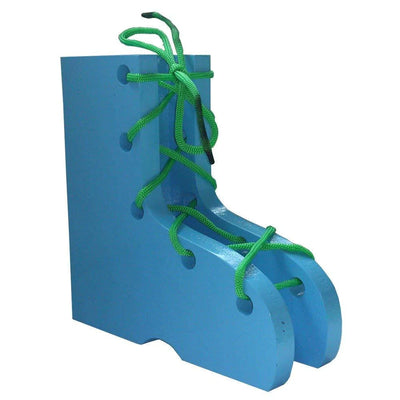
- Bead & Bangle Threading: Collect large beads, pasta shapes with holes, or colourful bangles. Provide string or shoelaces for children to thread them, enhancing hand-eye coordination and concentration.
- Button Sorting & Matching: Gather buttons of various sizes, colours, and shapes. Children can sort them into muffin tins or small bowls, or match pairs. This activity teaches classification, pattern recognition, and precise finger movements.
- Clothespin Drop: Have children clip clothespins around the edge of a cardboard box or a sturdy piece of paper. This simple action strengthens the pincer grasp and hand muscles.
Creating a Screen-Free Haven at Home
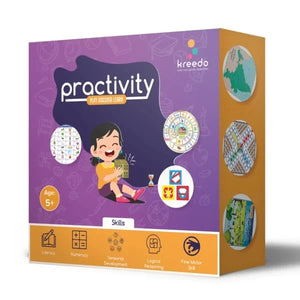
Successfully integrating no screen activities for kids involves more than just providing materials; it's about creating an environment that invites exploration and play. Dedicate a small, accessible space where your child's activity kits or art supplies are within reach. At SkilloToys, we offer a range of activity kits designed to inspire such independent play.
As parents, our role is to be guides, not dictators. Offer choices, participate enthusiastically at times, and then step back to allow independent discovery. Your child's creativity thrives when they are given the freedom to explore, make mistakes, and learn from them without constant intervention. The goal is to make these DIY adventures so engaging that screens become an afterthought, not the default. The focus should be on connection, creativity, and the joy of hands-on learning, making these screen-free moments truly precious.