Telugu Letters with Pictures: DIY Learning Fun at Home
Learning telugu letters with pictures at home offers a wonderfully engaging way to introduce your child to their mother tongue, building foundational literacy skills and cultural connection from a young age. Child development experts agree that multi-sensory experiences are paramount for early language acquisition, and DIY activities provide just that. This approach not only makes learning fun but also deeply resonates with the hands-on parenting style many Indian families cherish, transforming everyday materials into powerful educational tools.
DIY Telugu letter learning activities involve creating engaging, hands-on tools at home to teach children the Telugu alphabet. This matters because multi-sensory engagement significantly enhances memory and understanding in young learners, preparing them for formal schooling. Indian parents can easily foster early literacy and cultural pride by incorporating these creative, home-based activities into daily routines.
Unlock Telugu Aksharalu with Sensory Play at Home
Research shows that children aged 3-6 years benefit immensely from learning through multiple senses. When a child sees a letter, hears its sound, and feels its shape, their brain creates stronger neural connections, making retention much easier. This is particularly true for learning Telugu for kids, where intricate letter forms can initially seem challenging. Instead of relying solely on books, bring the alphabet to life!
Imagine your 4-year-old, Maya, in Bengaluru, gleefully tracing the letter 'అ' (a) in a tray of turmeric-colored rice, feeling the grains between her fingers. This isn't just play; it's a powerful lesson in progress. Maria Montessori famously advocated for tactile learning, noting that children absorb concepts more deeply when they can physically interact with them. This hands-on method, often seen in Montessori Telugu activities, translates perfectly into homemade learning tools.
Homemade Telugu Learning Tools: Beyond Flashcards
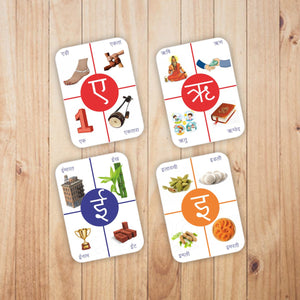
While flashcards with telugu letters with pictures are a great start, combining them with interactive activities elevates the learning experience. Here are some simple, impactful DIY Telugu alphabet activities you can create with things lying around your home:
1. Atta (Dough) Letter Forming
What you need: Wheat flour dough (atta), a clean surface.
How to do it: Knead some soft atta, just like for rotis. Ask your child to roll out thin 'snakes' of dough and form Telugu letters. This is fantastic for fine motor skills and strengthens tiny hand muscles. As they form each letter, pronounce its sound and show them a corresponding picture (e.g., 'ఆవు' (aavu - cow) for 'ఆ').
2. Salt or Sand Tray Tracing
What you need: A shallow tray, a thin layer of salt, sand, or rice flour.
How to do it: Spread a thin, even layer of your chosen material in the tray. Using their index finger, your child can trace the Telugu letters. This activity provides satisfying sensory feedback and is easily repeatable. For an added touch, mix a pinch of turmeric powder into the rice flour for a traditional, fragrant twist.
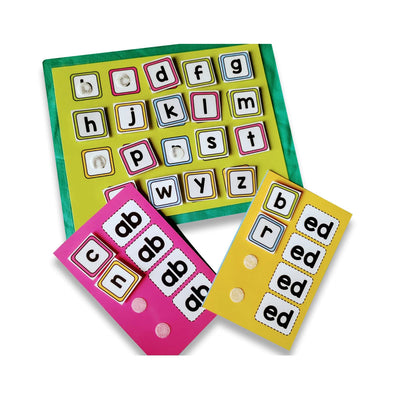
3. Bottle Cap Matching & Sequencing
What you need: Old bottle caps, markers, printed Telugu letters.
How to do it: Write or stick individual Telugu letters onto bottle caps. Create matching sets or have your child arrange them in alphabetical order. You can even draw simple pictures on separate caps for a matching game with telugu letters with pictures. This simple activity helps with letter recognition and sequencing.
4. Nature-Inspired Letter Art
What you need: Leaves, small pebbles, twigs, flowers, glue, paper.
How to do it: Take a walk in your garden or a nearby park with your child. Collect small natural items. Back home, use these to 'build' Telugu letters on paper, gluing them down to create unique artwork. This connects learning to nature and enhances creativity.
Weaving Telugu Literacy into Everyday Indian Life
In a joint family setup, grandparents can play a significant role in fostering love for the mother tongue. They can narrate stories using Telugu words, point out letters in newspapers, or sing traditional lullabies. These interactions make learning authentic and emotionally rich. Studies indicate that early exposure to a child's mother tongue builds a stronger sense of identity and improves overall cognitive development, especially in multilingual environments common in urban India.
For parents concerned about screen time, especially around Children's Day or other festive seasons, these DIY activities offer a refreshing alternative. Instead of digital apps, consider gifting your child a collection of activity kits that encourage hands-on exploration and creativity, aligning perfectly with a screen-free approach to learning. This fosters a love for learning that lasts, far beyond the initial novelty of a new toy.
The Power of Homemade Telugu Learning
Making learning materials at home not only saves money but also involves the child in the creation process, which deepens their engagement and sense of ownership. When they help collect bottle caps or knead dough for letters, they're not just learning the alphabet; they're developing a positive attitude towards learning itself. This intrinsic motivation is a cornerstone of Montessori education, where children are seen as active participants in their learning journey.
Ultimately, teaching Telugu aksharalu for kids through DIY methods is about more than just academic achievement. It's about nurturing a child's connection to their roots, celebrating linguistic diversity, and empowering parents to be active partners in their child's education. So, gather your simple materials, embrace the mess, and watch your little one's love for Telugu bloom.