Wooden Puzzles for Kids: DIY & Educational Builds
In Indian homes, where screen-free engagement and meaningful activities are cherished, crafting your own wooden puzzles for kids offers a wonderful opportunity. These homemade treasures provide not just hours of fun, but also a rich educational experience that supports vital developmental milestones. Imagine your child, like young Aarav in Bengaluru, concentrating intently as he fits the last piece of a puzzle you both created.
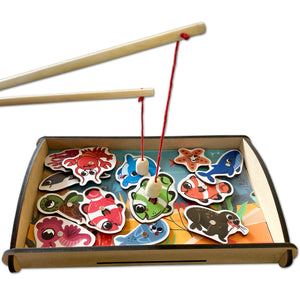
DIY wooden puzzles are handcrafted educational toys, typically made from wood, designed to challenge a child's cognitive and fine motor skills. This matters immensely because it provides a tangible, tactile learning experience that plastic or screen-based alternatives often lack. Indian parents can easily make these at home, customising them to suit their child's interests and developmental stage.
Why Homemade Wooden Puzzles are a Treasure for Indian Homes
Beyond the simple joy of play, homemade wooden puzzles carry a unique value, especially in a culturally rich environment like India. They aren't just toys; they are tangible representations of time, effort, and love. Studies indicate that children who engage with handmade items often develop a deeper appreciation for craftsmanship and resourcefulness, echoing the traditional values often passed down through generations in joint families.
Child development experts agree that hands-on, tangible play is critical for brain development, fostering spatial reasoning and problem-solving. Research by the American Academy of Pediatrics consistently recommends limiting screen time in favour of open-ended, creative play. Making a puzzle together becomes a shared activity, much like preparing for festivals or gardening with grandparents, strengthening family bonds while building crucial skills.
Getting Started: Your DIY Wooden Puzzle Toolkit
Creating your own DIY wooden puzzles doesn't require a fully equipped workshop; simple tools and materials will suffice. You'll need thin plywood or MDF scraps (about 4-6mm thick is ideal), a craft knife (like an X-Acto knife) for smaller pieces, or a jigsaw for more intricate cuts. Don't forget sandpaper – both coarse and fine grit – to ensure all edges are smooth and splinter-free. Non-toxic, child-safe paints or wood stains are essential for finishing, adding vibrant colours.
Safety is paramount during the crafting process. Always supervise children if they are assisting, especially with cutting or sanding. Once the pieces are cut and sanded, use a soft cloth to apply paint or stain, letting each coat dry thoroughly. Consider adding small wooden knobs to larger pieces for toddlers, making them easier for little fingers to grasp. For more general crafting tools, you might explore our activity kits that often contain safe craft supplies.
Simple Slice Puzzles for Toddlers (18-36 months)
For your youngest ones, focus on simplicity. A simple slice puzzle involves cutting a basic shape – perhaps an apple, a car, or an animal – out of a larger wooden block. The 'puzzle' is then to fit the cut-out shape back into its corresponding slot. These large, chunky pieces are perfect for developing early fine motor skills and shape recognition.
Imagine a bright yellow mango or a friendly elephant as a first puzzle. These engaging shapes encourage toddlers to practice their pincer grasp and hand-eye coordination without frustration. The focus here is on success and repetition, building confidence in their abilities.
Jigsaw Puzzles with a Twist for Preschoolers (3-6 years)
As children grow, their cognitive abilities demand more complex challenges. This is where homemade wooden puzzles can truly shine. Instead of buying generic jigsaws, design one based on a family photograph, a favourite cartoon character, or even a simple map of India. Trace your chosen image onto the wood, then carefully cut it into 4-12 interlocking pieces, depending on your child's skill level.
For instance, with Independence Day 2026 on the horizon, consider creating a puzzle featuring the Indian flag or a national monument. This adds a layer of cultural relevance and makes learning about our nation fun and interactive. Such puzzles are excellent for boosting problem-solving skills and fine motor dexterity, critical for tasks like writing and drawing. You can find many related resources for developing fine motor skills on our website.
Montessori Wooden Puzzles: Fostering Independent Learning at Home
Maria Montessori, the pioneer of the Montessori method, championed the idea of learning through self-directed activity, hands-on learning, and collaborative play. DIY wooden puzzles align perfectly with this philosophy, allowing children to explore and self-correct at their own pace. A classic Montessori example is the geometric cabinet, which can be adapted at home by creating wooden cut-outs of circles, squares, and triangles for children to match and sort.
For a Montessori-inspired approach, ensure the puzzles have a clear purpose and offer immediate feedback. For instance, a puzzle with graded sizes (small to large circles) teaches sequencing. The simple, uncluttered design of wooden puzzles allows the child to focus solely on the task at hand, fostering concentration and independent problem-solving without external distractions.
Boosting Brainpower: The Educational Value of Wooden Puzzles
The benefits of engaging with educational wooden puzzles for kids extend far beyond mere entertainment. When a child pieces together a puzzle, they are actively engaging multiple areas of their brain. They develop spatial reasoning as they visualise how shapes fit together, enhance logical thinking by trying different combinations, and improve memory as they recall shapes and colours.
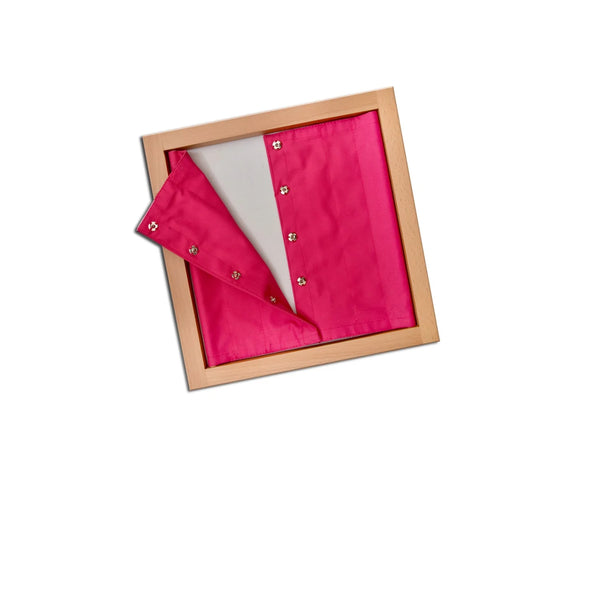
Furthermore, the physical act of grasping, rotating, and placing puzzle pieces refines crucial fine motor skills, which are foundational for writing, drawing, and even self-care tasks like buttoning shirts. The sense of accomplishment upon completing a puzzle also builds self-esteem and teaches perseverance, proving that challenges can be overcome with effort. These skills are invaluable for a child's readiness for school and future learning.
Creative Themes & Personal Touches for Indian Kids
One of the greatest joys of making your own puzzles is the freedom to personalise them. Think about themes that resonate deeply with your child and your family's cultural context. During Diwali, you could craft a puzzle depicting diyas or Rangoli patterns. For Children's Day 2025, instead of just a gift, create a special puzzle featuring their favourite animal or a picture of their family members.
You can even involve your child in the design process, letting them choose colours or patterns, which further boosts their engagement and creativity. This personal touch transforms a simple toy into a cherished memory, much like how homemade festive treats become a part of our family traditions. These personalised puzzles offer a truly unique learning experience that store-bought options can rarely match, making playtime deeply meaningful.
Embracing the world of DIY wooden puzzles is more than just a craft project; it's an investment in your child's holistic development and a wonderful way to create lasting family memories. So, gather your materials, involve your little ones, and embark on this rewarding journey. You'll be amazed at the educational power and endless joy these simple, heartfelt creations can bring to your home. Discover more ways to encourage active, screen-free learning with our diverse range of Montessori learning materials.