Board Games for Kids: Sustainable Fun for Indian Families
Board games for kids are a cherished cornerstone of family bonding and skill development in Indian homes, offering invaluable screen-free engagement. Choosing sustainable board games elevates this experience by aligning with eco-conscious values, providing children with durable, non-toxic, and thoughtfully designed educational tools that benefit both their growth and the planet. These games inherently foster deeper learning, problem-solving, and social skills crucial for every child's development.
What Are Sustainable Board Games?
Sustainable board games are play items crafted primarily from natural, recycled, or responsibly sourced materials like FSC-certified wood, bamboo, organic cotton, or recycled paper, using non-toxic paints and glues. These games are designed for longevity, minimal waste, and often incorporate themes that teach environmental awareness, providing a holistic approach to conscious play. This matters because every choice we make, from the clothes we wear to the toys our children play with, impacts our environment and models values. Indian parents can actively contribute to a healthier planet while enriching their children's play experiences.
Why Choose Eco-Friendly Board Games for Indian Families?
For environmentally aware Indian parents, selecting educational board games India offers a profound connection to their values. The recent discussions, like those by The Better India, emphasizing ways to keep children curious indoors, highlight the critical need for engaging activities that stimulate young minds. Sustainable board games answer this call, providing a rich, tactile experience that often involves problem-solving, critical thinking, and social interaction, far surpassing the passive engagement of screens. Child development experts agree that unplugged, hands-on play is vital for comprehensive cognitive and emotional growth.
Moreover, these choices reflect a growing commitment to 'new-age parenting' as highlighted by trends like Coodle's focus on sustainable baby gear. When children gather around a board game made from natural wood, like a "Ludo" set crafted from rubberwood or a "Snakes and Ladders" game on recycled cardboard, they not only play but also subconsciously absorb lessons in responsible consumption. This simple act teaches them that quality and sustainability go hand-in-hand, a powerful message for future generations growing up in an increasingly resource-conscious world.
Montessori Board Games: Connecting Play to Purpose
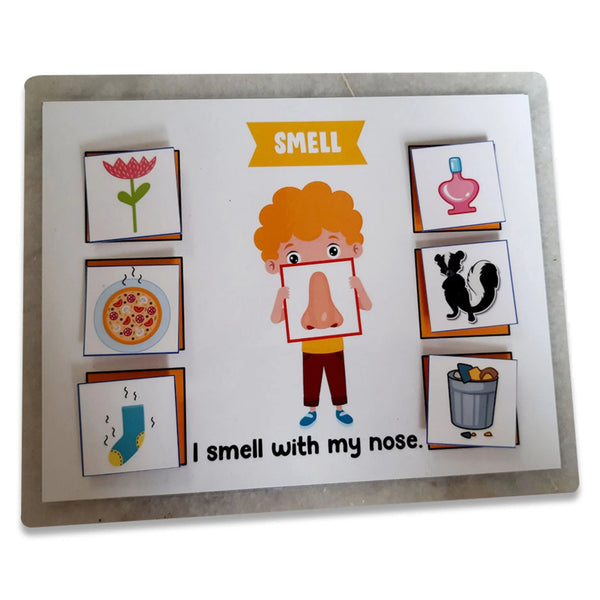
The philosophy of Maria Montessori strongly advocates for learning through direct experience with aesthetically pleasing, natural materials. Sustainable board games, with their emphasis on quality, simplicity, and purpose, perfectly align with these principles. Consider a Montessori activity kit style board game that focuses on pattern recognition with wooden shapes or a game that teaches counting using solid, weighted number pieces. The satisfying feel of a wooden piece in a child's hand, the visual clarity of natural dyes, and the intrinsic challenge of the game itself foster deep concentration and independent discovery.
This inherent simplicity isn't a limitation; it's a profound design choice. When a game uses natural pieces or clear, well-crafted cards, the child is compelled to bring their own imagination, problem-solving, and focus to the experience. This contrasts sharply with over-stimulating electronic toys that often "play for" the child, leading to passive engagement. Research indicates that toys requiring more child input correlate with higher cognitive development and sustained attention spans, precisely the qualities parents hope to nurture in their children amidst academic pressures.
Finding Your Family's Perfect Eco-Friendly Board Game
When selecting sustainable board games, look beyond just the "eco-friendly" label. Consider the game's educational value, durability, and whether it promotes collaborative or competitive play suitable for your child's age and temperament. For a 5-year-old Anya in a Bengaluru apartment, a compact "Memory Match" game with wooden tiles can enhance recall and fine motor skills. For a larger joint family during Diwali celebrations, a sturdy, oversized "Carrom" board made from reclaimed wood provides hours of inclusive fun for grandparents, parents, and cousins alike.
Prioritize games that are built to last, allowing them to be passed down through generations, much like the timeless wisdom shared by our elders. Look for certifications, clear material descriptions, and designs that prioritize child safety with non-toxic finishes. By choosing thoughtfully, you are not just buying a game; you are investing in meaningful play, fostering crucial developmental skills, and instilling a lifelong appreciation for mindful consumption in your children.
- Sustainable board games foster deeper cognitive engagement than over-stimulating electronic toys.
- Eco-friendly materials like FSC-certified wood and recycled paper ensure safety and durability.
- These games support Montessori principles, encouraging concentration and problem-solving.
- Choosing sustainable play reflects an eco-conscious parenting philosophy, valuing planet and people.
- Integrating board games into Indian family routines strengthens bonds and reduces screen time.
- Sustainable choices teach children the importance of responsible consumption from a young age.
What makes a board game truly eco-friendly?
An eco-friendly board game uses sustainably sourced materials like FSC-certified wood, recycled paper, or bamboo, and non-toxic, water-based paints and glues. It prioritizes durability to extend its lifespan and comes in minimal, recyclable packaging, reducing its overall environmental footprint.
Are sustainable board games less engaging for kids?
No, sustainable board games are often more engaging because their simplicity encourages children to use their imagination and problem-solving skills, leading to deeper cognitive development. Unlike over-stimulating electronic toys, these games require active participation, fostering sustained attention and creativity.
How do board games support Montessori learning principles?
Montessori learning emphasizes hands-on, self-directed play with natural materials that promote concentration and practical life skills. Sustainable board games, with their tactile elements and structured challenges, perfectly align with this by encouraging independent thought, logical reasoning, and collaborative learning.
Can board games help reduce screen time for Indian children?
Absolutely. In an era where screen time is a growing concern for Indian parents, engaging board games offer a compelling alternative that provides valuable face-to-face interaction and mental stimulation. They create a fun, shared experience that naturally draws children away from digital devices towards tangible play.
What age is appropriate for introducing board games to children?
While simple matching or picture recognition games can be introduced to toddlers around 2-3 years, most traditional board games are suitable for children aged 4-5 years and up. The key is to choose games that match the child's developmental stage and attention span, gradually introducing more complex rules.