Wooden Children's Furniture India: Montessori Play Spaces
When setting up a nurturing environment, thoughtful wooden children's furniture India provides the foundation for a truly Montessori-inspired play space. This shift from just buying toys to curating the entire environment is crucial for fostering independence and a love for learning in young minds. SkilloToys understands that for eco-conscious Indian parents, quality and natural materials are paramount in creating spaces where children can thrive.
Creating a Montessori play space is about more than just aesthetics; it's a commitment to supporting your child's innate drive for self-discovery. A Montessori play space is a carefully prepared environment designed to facilitate a child's independent exploration and learning, making everything accessible and child-centric. This matters because children develop concentration, problem-solving skills, and a sense of order when their surroundings are thoughtfully organized. Indian parents can empower their children by providing a dedicated space that encourages purposeful engagement rather than passive consumption.
Why Wooden Furniture is a Cornerstone of Natural Play
Child development experts agree that the materials children interact with significantly impact their sensory and cognitive growth. Wooden furniture, unlike its plastic counterparts, offers a tactile richness and natural warmth that engages a child's senses. Research shows exposure to natural elements in early childhood can reduce stress and enhance creative play, aligning with the growing trend highlighted by publications like Architectural Digest India on brands creating thoughtful, play-ready objects.
For Indian families, wooden furniture carries a legacy of craftsmanship and durability, often passed down through generations. Choosing eco-friendly children's furniture made from local, sustainable woods like Sheesham or Mango wood not only supports traditional artisans but also ensures a non-toxic environment for your little one. The solid weight and texture of wood provide grounding sensory input, contributing to a child's understanding of cause and effect.
Designing for Independence: Montessori Play Space Furniture
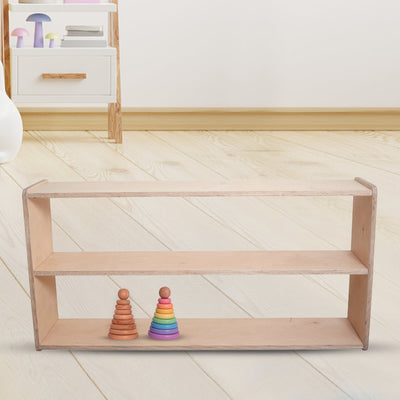
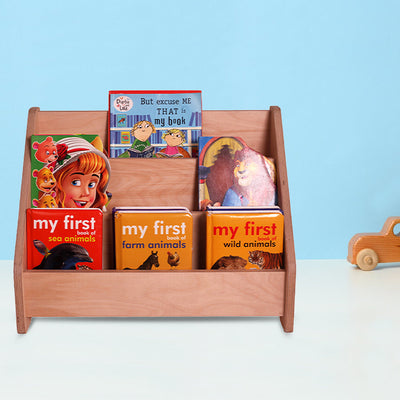
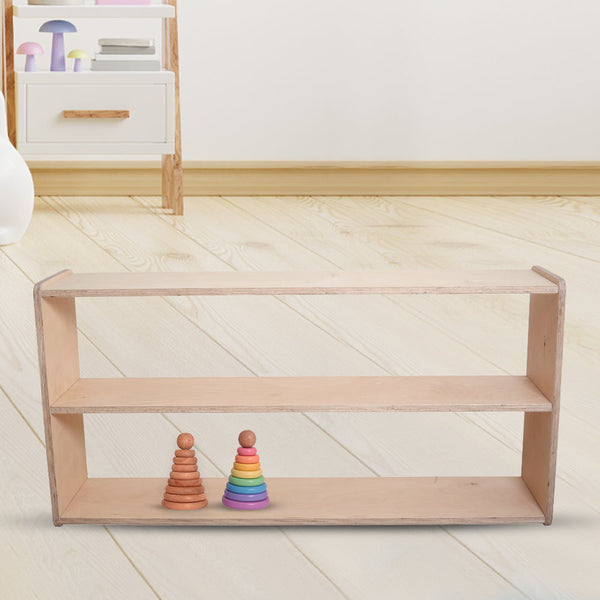
Maria Montessori's philosophy emphasizes the 'prepared environment,' where everything is accessible and organized for the child. This means furniture must be child-sized and functional, empowering children to manage their own space. Think of low shelves, a small table, and a comfortable child-sized chair as essential elements for a truly independent learning zone.
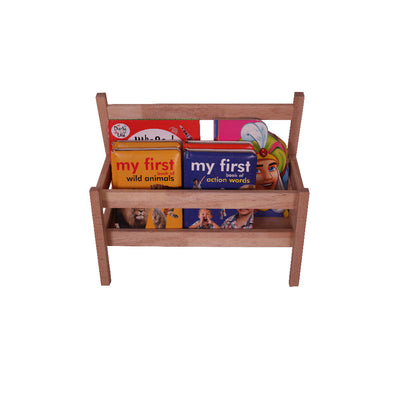
These pieces are more than just items; they are tools for development. A low shelf allows a child to choose their own activities, fostering decision-making. A sturdy, child-sized table becomes the setting for focused work, whether it's building with wooden blocks or practicing practical life tools. The absence of clutter and the deliberate placement of inviting materials on open shelves cultivate a sense of order and purpose.
Play-Ready Objects India: Practical Considerations for Home
In many Indian homes, especially in urban centres like Bengaluru, space is a valuable commodity. This calls for thoughtful integration of play-ready objects India offers, balancing traditional aesthetics with Montessori principles. Instead of a sprawling playroom, consider creating dedicated corners within existing living spaces.
A small, sturdy wooden table in the dining area can serve as both a children's activity spot and a space for them to join family meals. Low, open shelves can be placed in a child's bedroom or a common living area, providing easy access to carefully selected wooden puzzles and educational materials. The key is to ensure the furniture is functional, aesthetically pleasing, and invites interaction, without overwhelming the existing home environment.
Creating a Harmonious Wooden Playroom: Ideas for Indian Parents
Beyond individual pieces, think about how the entire space flows. When planning wooden playroom ideas India, consider natural light, ventilation, and the integration of indoor plants to bring nature inside. A simple rug or mat can define a 'work area,' giving the child a clear boundary for their activities, a concept often seen in traditional Indian learning setups.
The furniture itself, when thoughtfully chosen, becomes a 'silent teacher' – a principle deeply resonant with Montessori and even traditional Indian pedagogical approaches where the environment profoundly shapes learning. It encourages responsibility, as children learn to return items to their designated spots, fostering respect for their surroundings. This approach prepares them not just for school, but for life within the family and community.
The Lasting Value of Natural Kids Furniture
Investing in natural kids furniture is a choice for longevity and sustainability. Unlike disposable plastic items, quality wooden pieces can withstand years of enthusiastic play, adapting as your child grows. A small table might first be used for stacking blocks, then for drawing, and later for homework, making it a truly versatile addition to your home.
This approach counters the 'quantity over quality' mindset, promoting conscious consumption – a value deeply rooted in Indian culture. By choosing durable, natural wooden furniture, parents are not only providing a better environment for their children but also teaching them the importance of sustainable living and appreciation for well-crafted items. This commitment to quality and thoughtful design echoes the spirit of Indian brands increasingly focused on sustainable, culturally relevant products, as noted in recent news.