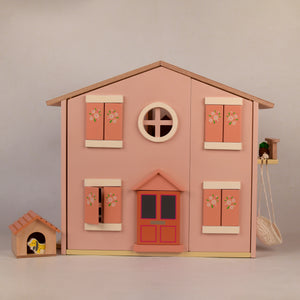
Doll House for Kids: Sustainable Play in Indian Homes
A doll house for kids, particularly an eco-friendly one, provides a cornerstone for imaginative play, fostering creativity and practical life skills essential for child development. Research shows that engaging with open-ended toys significantly enhances cognitive abilities and emotional intelligence in young children. For Indian families seeking sustainable choices, an eco-friendly dollhouse offers a world of discovery and values.
Choosing sustainable play is a powerful statement about the kind of world we want for our children. It's about more than just fun; it’s about health, environment, and instilling mindful values from a young age.
What is an Eco-Friendly Dollhouse?
An eco-friendly dollhouse is meticulously crafted from sustainable, non-toxic materials like FSC-certified wood, finished with natural oils or water-based paints. This matters because it ensures a safe play environment free from harmful chemicals, safeguarding children's health and the planet. Indian parents can confidently choose these options for durable, heirloom-quality toys.
Such dollhouses often feature designs that encourage open-ended play, reflecting real-world scenarios in a simplified, child-friendly manner. They stand in stark contrast to mass-produced plastic alternatives, offering a superior experience in terms of safety and educational value.
Why Choose a Sustainable Dollhouse for Your Indian Child?
Selecting a sustainable dollhouse for your child is a decision that impacts their well-being and the planet. Environmentally aware Indian parents are increasingly seeking options that align with their values, understanding the long-term benefits of mindful consumption. This shift is reflected in broader trends, such as the rise of brands like Coodle, which are redefining parenting with safe, sustainable, and pre-loved baby gear.
A sustainable choice ensures your child is not exposed to harmful toxins often found in conventional toys. Child development experts agree that toys made from natural materials promote a deeper sensory experience and connection to the environment. Furthermore, these durable toys can be passed down through generations, a cherished tradition in many Indian joint families, reducing waste and fostering sentimental value.
The Magic of Wooden Dollhouses: A Montessori Perspective
The appeal of a wooden dollhouse for kids lies not just in its aesthetics but in its alignment with foundational Montessori principles. Maria Montessori advocated for natural, simple, and purposeful materials that engage a child's senses and promote concentration. A wooden dollhouse, with its sturdy construction and tactile surfaces, provides precisely this.
These dollhouses encourage open-ended, imaginative play, where children create their own narratives and scenarios, developing crucial cognitive and social skills. Studies indicate that children exposed to natural materials develop a stronger connection to their environment and greater appreciation for sensory experiences. This kind of play nurtures independence, problem-solving, and practical life skills, making it an invaluable addition to any child's learning journey, complementing other Montessori method learning materials and toys.
Non-Toxic & Safe Play: Prioritising Your Child's Health
For every Indian parent, a child's safety is paramount, making the choice of a non-toxic dollhouse a critical consideration. Many conventional toys contain harmful chemicals, lead paints, or volatile organic compounds (VOCs) that can pose significant health risks. A truly eco-friendly dollhouse is meticulously crafted with the absence of these detrimental substances.
Look for certifications that guarantee the wood is responsibly sourced and that paints and finishes are water-based, non-toxic, and free from heavy metals. This commitment to safety ensures that children can explore, touch, and even mouth their toys without parents having to worry about adverse health effects. Prioritising non-toxic materials means providing a pristine and secure environment for countless hours of joyful play.
What to Look for in an Eco-Friendly Dollhouse for Indian Homes
When selecting an eco-friendly dollhouse, mindful Indian parents should consider several key factors to ensure a worthwhile investment. First, the material is crucial: opt for FSC-certified solid wood (like birch, pine, or rubberwood) or bamboo, known for its sustainability and durability. These materials are naturally robust and contribute to the longevity of the toy, making it suitable for growing families.
Next, examine the finishes. Prioritise dollhouses with natural oils, beeswax, or water-based, non-toxic paints that meet international safety standards. The design should be open-ended, allowing for creative freedom rather than prescribed play, and robust enough to withstand energetic play from multiple children, common in joint family settings. Consider modular or expandable designs that can adapt to smaller living spaces, a practical aspect for many urban Indian homes. Such versatile toys, much like engaging activity kits, grow with your child's imagination.
Integrating Sustainable Play into Indian Family Life
An eco-friendly dollhouse is more than just a toy; it's a tool for integrating sustainable values into the daily rhythm of an Indian family. It fosters collaborative play between siblings, cousins, and even grandparents, strengthening family bonds. The simple, natural design encourages children to engage deeply, sparking imagination and reducing reliance on screen-based entertainment, a growing concern for many parents.
By choosing durable, well-made toys, families embrace a culture of repair and longevity over disposability, mirroring the traditional Indian value of resourcefulness. This aligns with a broader national consciousness towards sustainable living, as evidenced by initiatives promoting eco-friendly choices in parenting. Investing in such a toy is a conscious step towards a greener, more mindful childhood, allowing children to learn, grow, and play in harmony with their environment.
The increasing investment in children's brands, like Kidbea raising substantial Series A funding, highlights the vibrant and evolving market for quality children's products in India. This growth presents an opportunity for parents to choose products that not only entertain but also educate on important values like sustainability.
- An eco-friendly dollhouse fosters imaginative play and practical life skills in children.
- Sustainable dollhouses are crafted from non-toxic, natural materials, ensuring child safety.
- Wooden dollhouses align with Montessori principles, promoting sensory engagement and open-ended play.
- Choosing non-toxic finishes and materials is crucial for protecting children from harmful chemicals.
- Durable, eco-friendly dollhouses offer heirloom quality, suitable for passing down through Indian families.
- Sustainable toy choices contribute to reducing environmental waste and promoting mindful consumption.
What age is best for an eco-friendly dollhouse?
An eco-friendly dollhouse is typically suitable for children from 3 years old onwards, though simpler, sturdy designs can be enjoyed by younger toddlers (18-24 months) under supervision. The best age often depends on the child's developmental stage and interest in imaginative play.
Are wooden dollhouses truly better than plastic ones?
Yes, wooden dollhouses are generally superior to plastic ones due to their durability, natural aesthetic, and sustainability. They offer a tactile sensory experience and are less likely to contain harmful chemicals found in many plastics, aligning with a non-toxic play environment.
How do I clean and maintain a sustainable dollhouse?
To clean a sustainable dollhouse, simply wipe it down with a damp cloth and mild, non-toxic soap if needed, then dry thoroughly. Avoid harsh chemical cleaners that could damage the wood or its natural finishes. Regular dusting helps maintain its appearance and longevity.
What kind of accessories should I look for in a Montessori dollhouse?
For a Montessori dollhouse, look for simple, realistic accessories made from natural materials that encourage practical life skills and imaginative role-play. Miniatures of everyday items like wooden furniture, small figures, and simple household tools foster independence and creativity without overwhelming the child.
Where can Indian parents find quality eco-friendly dollhouses?
Indian parents can find quality eco-friendly dollhouses at specialized educational toy stores like SkilloToys.com, which prioritize sustainable materials and child-safe designs. Look for brands that are transparent about their sourcing and manufacturing processes to ensure genuine eco-conscious choices.